Discover the traces of war in a city full of stories
During World War II, Den Helder played a crucial role in the German defense line, the Atlantic Wall. Hundreds of bunkers were built in and around the city. Den Helder was severely damaged: more than 170 bombings hit the city – first by the occupying forces, later by the Allies. This made Den Helder one of the most heavily bombed cities in the Netherlands.
Living in uncertainty and loss The impact on the residents was enormous. What began with voluntary evacuations ended in forced departures. By the end of the war, Den Helder had become a ghost town. Only rubble, abandoned bunkers, and silent grief remained. Yet, it is precisely these remnants that take on meaning today – as places of remembrance, reflection, and connection.
Give the past a voice Are you curious about the stories behind this city? Step inside the Atlantic Wall Center Or explore one of the many military fortifications. Here, history, meaning, and aesthetics are uniquely intertwined.
Be inspired by the Den Helder Theorem Want to delve deeper into the military history of Den Helder? The Stelling section of the City Marketing newspaper features a specific defensive structure each year. This series demonstrates how culture, history, and heritage intertwine. View all the stories below in one overview and be amazed by the resilience of this city.
How did the war start in 1940?
World War II officially began on May 10, 1940, when the Netherlands and Belgium were invaded by the Germans. In Den Helder, the first few days of the war were relatively mild, until just after the Netherlands' capitulation. Oh, and a quick word about the capitulation...
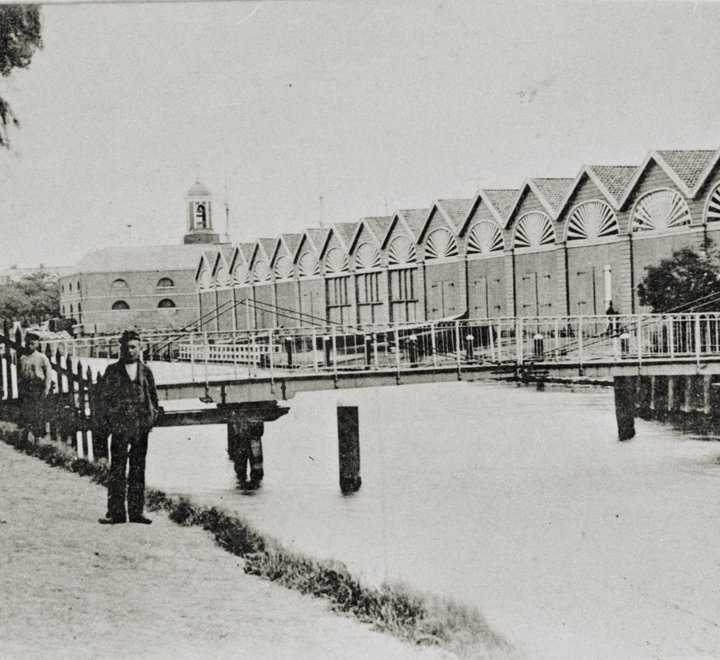
When we talk about the Rijkswerf Willemsoord, we're always referring to the upcoming town hall or building 66 (mast shed). Let me take you to the other side of Willemsoord, on the Hoofdgracht canal where the current Naval Museum is located.
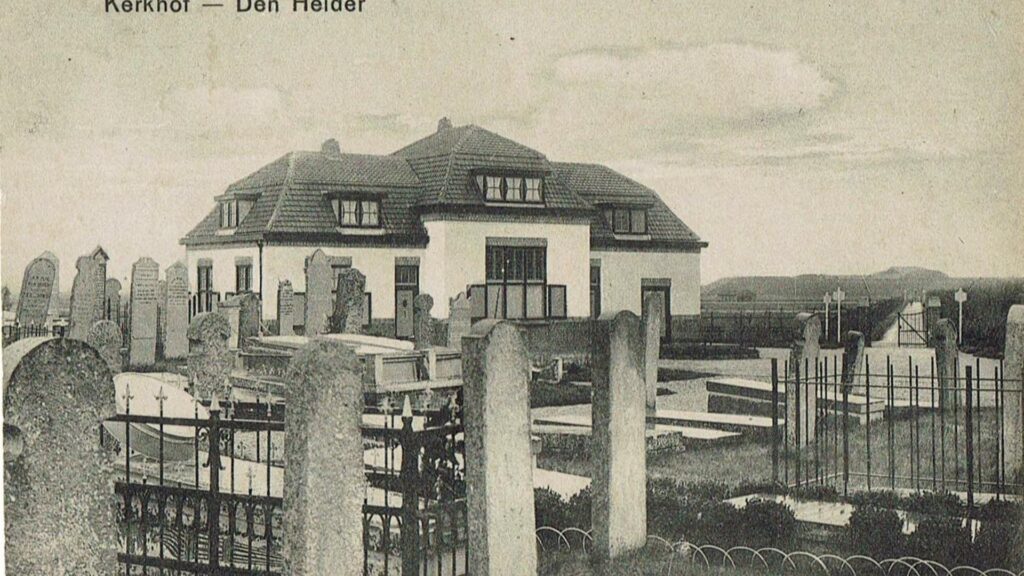
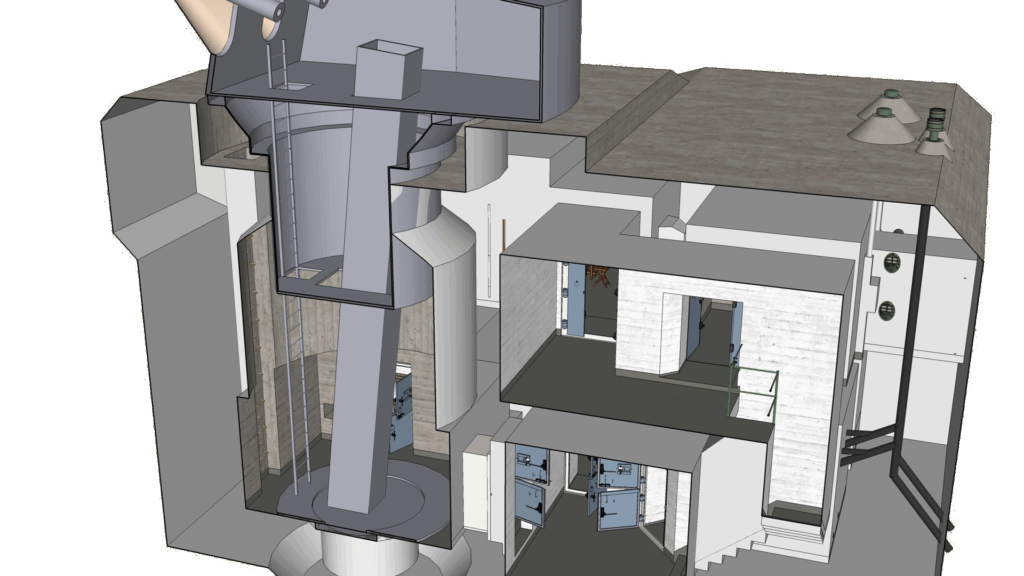
This gun emplacement on Jan Verfailleweg was built in the late 1930s during the interbellum (the period between the two world wars), next to the centuries-old cemetery, and consists of three gun emplacements….
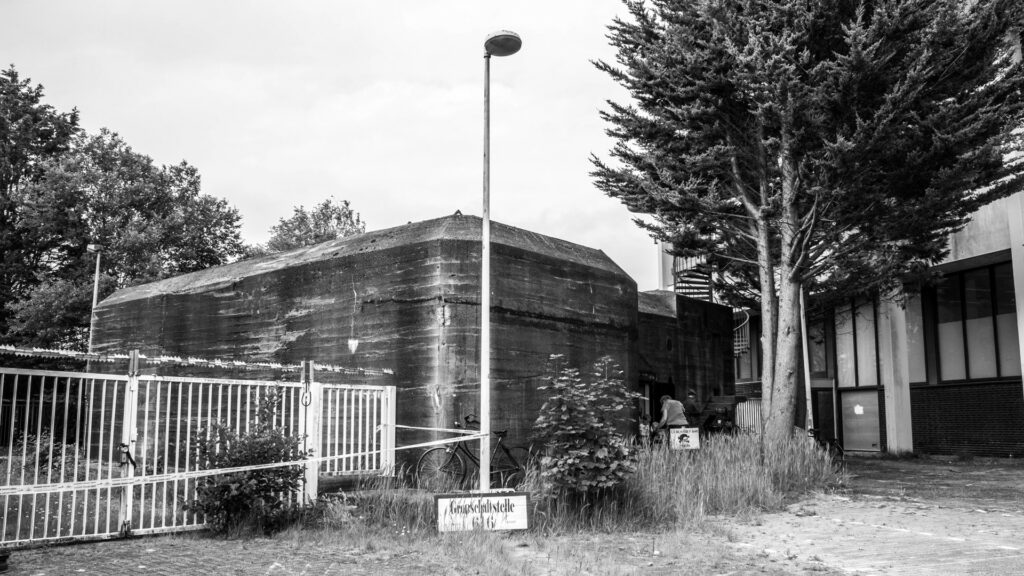
Just make a phone call with... the telephone bunker
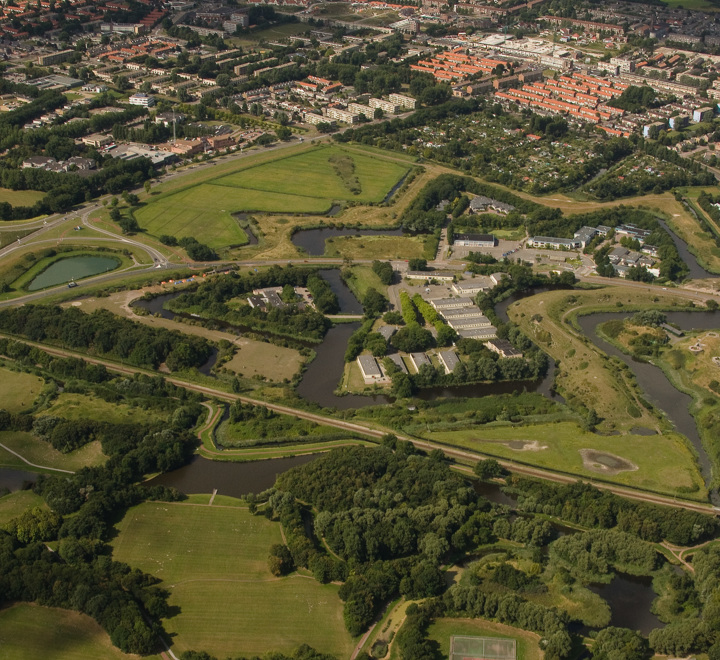
The Den Helder Defence Line is part of the Atlantic Wall, a 5,000-kilometre-long defence system stretching from Norway to Spain that was intended to protect Western Europe from attack from the sea….
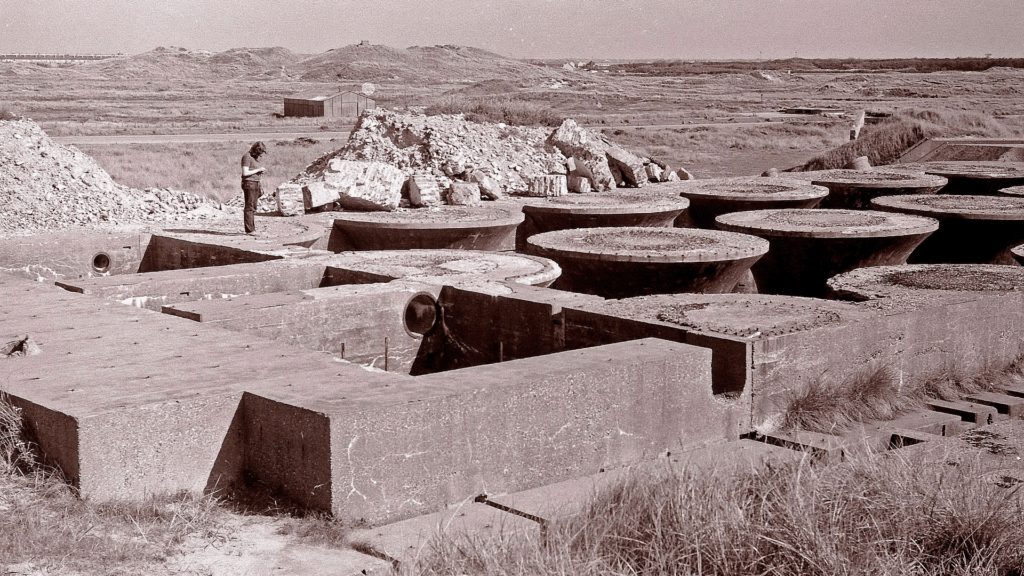
This fort was intended to replace the outdated Fort Kijkduin around 1900. The Miljoenenfort was located in the middle of the dunes, just past the Huisduinen beach access point. Thanks to the outbreak of the First World War….
The Ravelijnweg or the Ravelijncenter, the term "ravelijn" is not unfamiliar to us. But where does this name actually come from? A ravelin is an outer structure of a fortress or a rampart. It usually consists of...
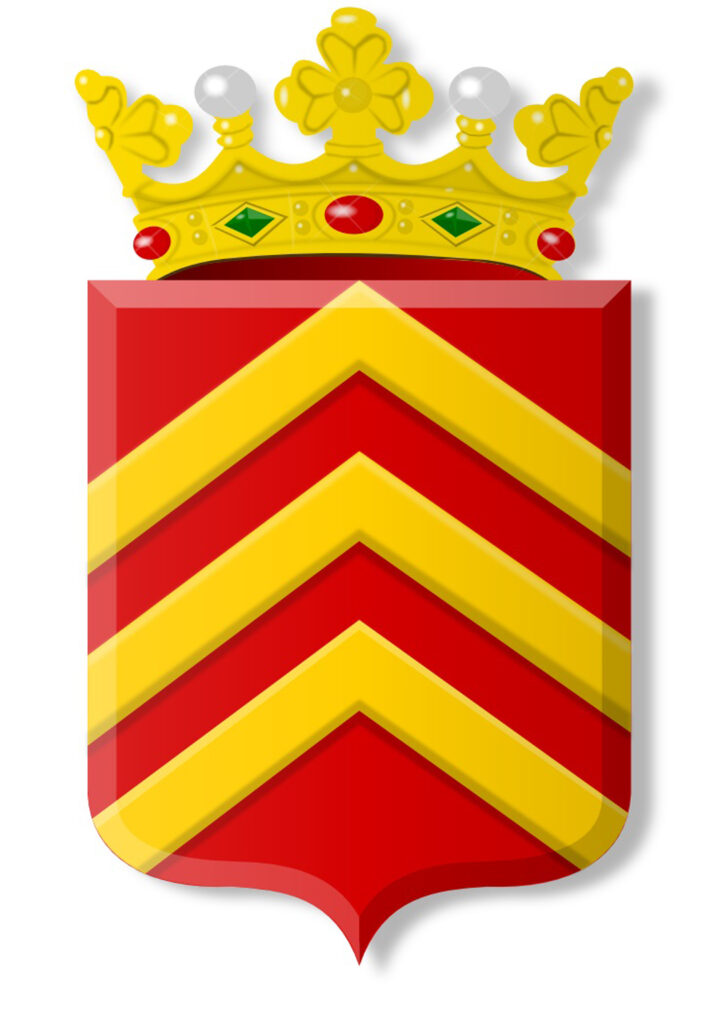
Three gold chevron finials on a red background, two pearls, two emeralds, and three rubies. This is the coat of arms of Den Helder, and it predates the city itself by many centuries. It is derived from the coat of arms of the lords and counts of Egmont, who in the late Middle Ages...
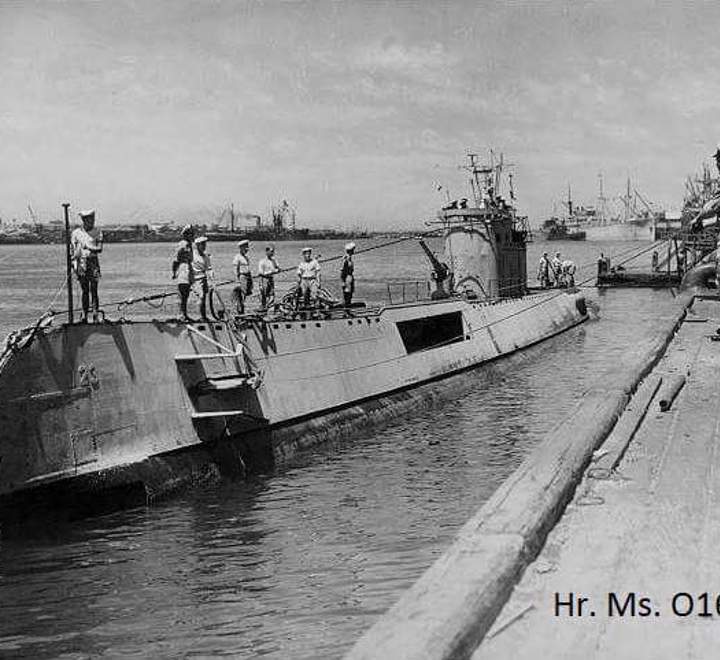
Successes and losses in war can be closely linked, as evidenced by the story of HNLMS O 16, which sank three Japanese ships in a single day, only to hit a mine itself.