Home » What to do » Museums and Sights » Cultural heritage
Den Helder isn't a city you can immediately see from the outside. It begs to be discovered. Anyone who takes the time to look will hear stories hidden within the brick, concrete, dunes, and dikes.
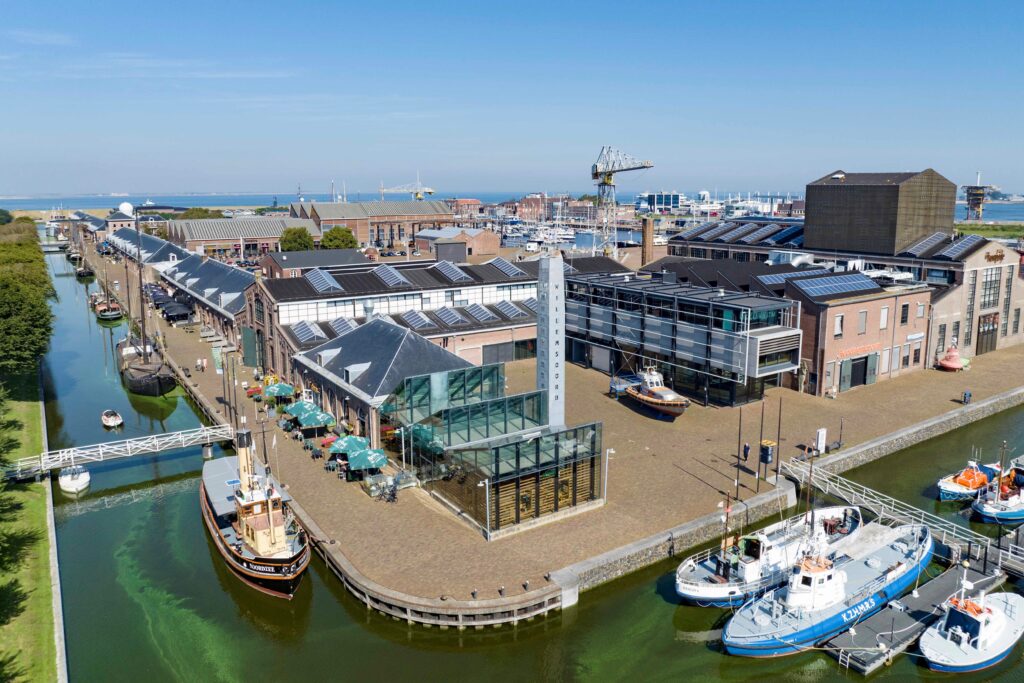
From Napoleon to the Second World War, from old shipyards to coastal bunkers: traces of struggle, resilience, and innovation are everywhere. Den Helder has been shaped by its location between sea and land and by the people who have consistently made it work.
Heritage here isn't silent history. It's something you feel. Something you carry with you.
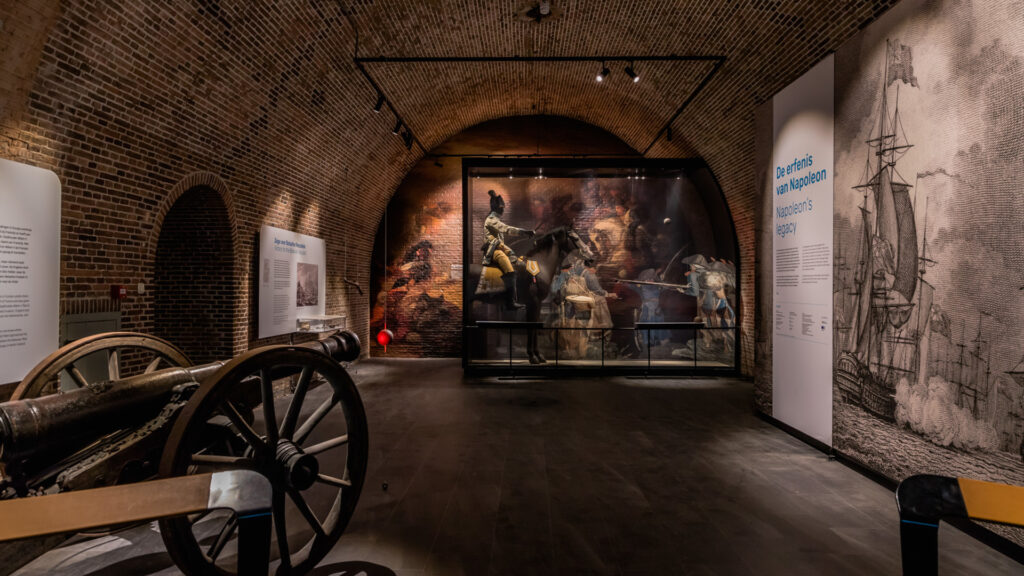
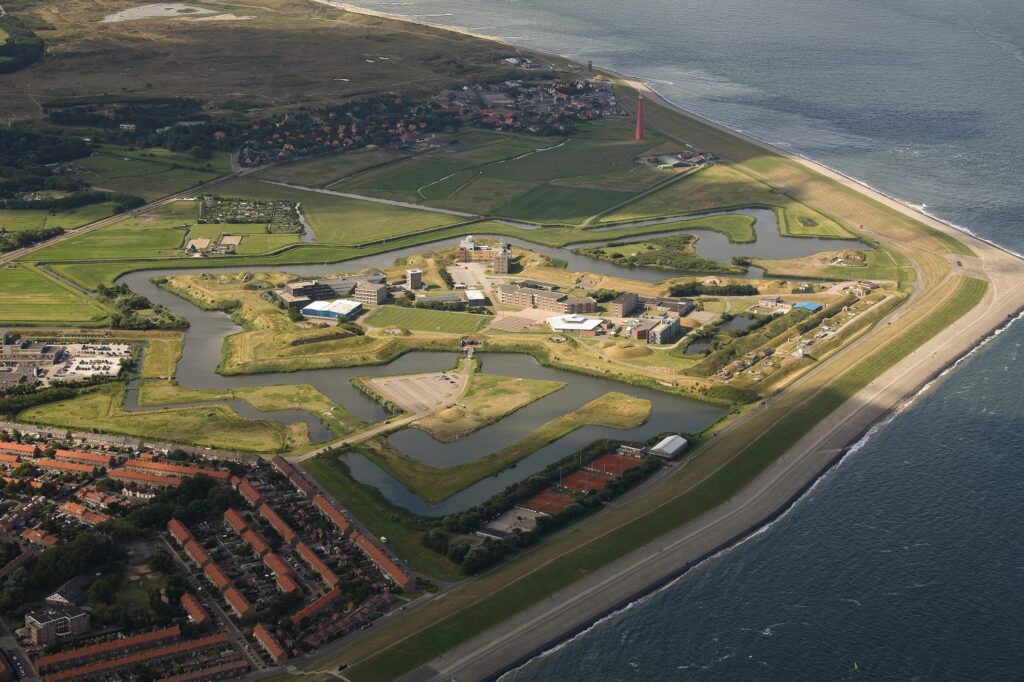
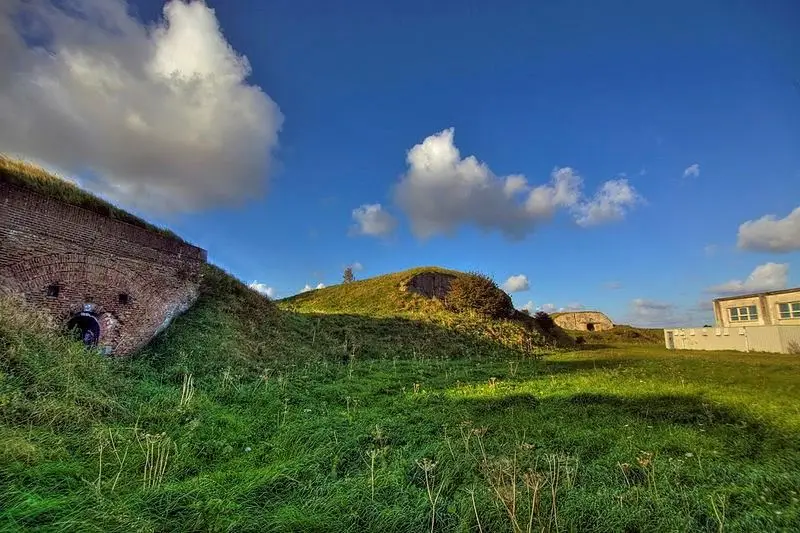
Napoleon once called Den Helder the Gibraltar of the North. He saw what many still overlook: its strategic location. Here, where the sea curls around the city on three sides, a defensive line was created to protect the Netherlands from external enemies.
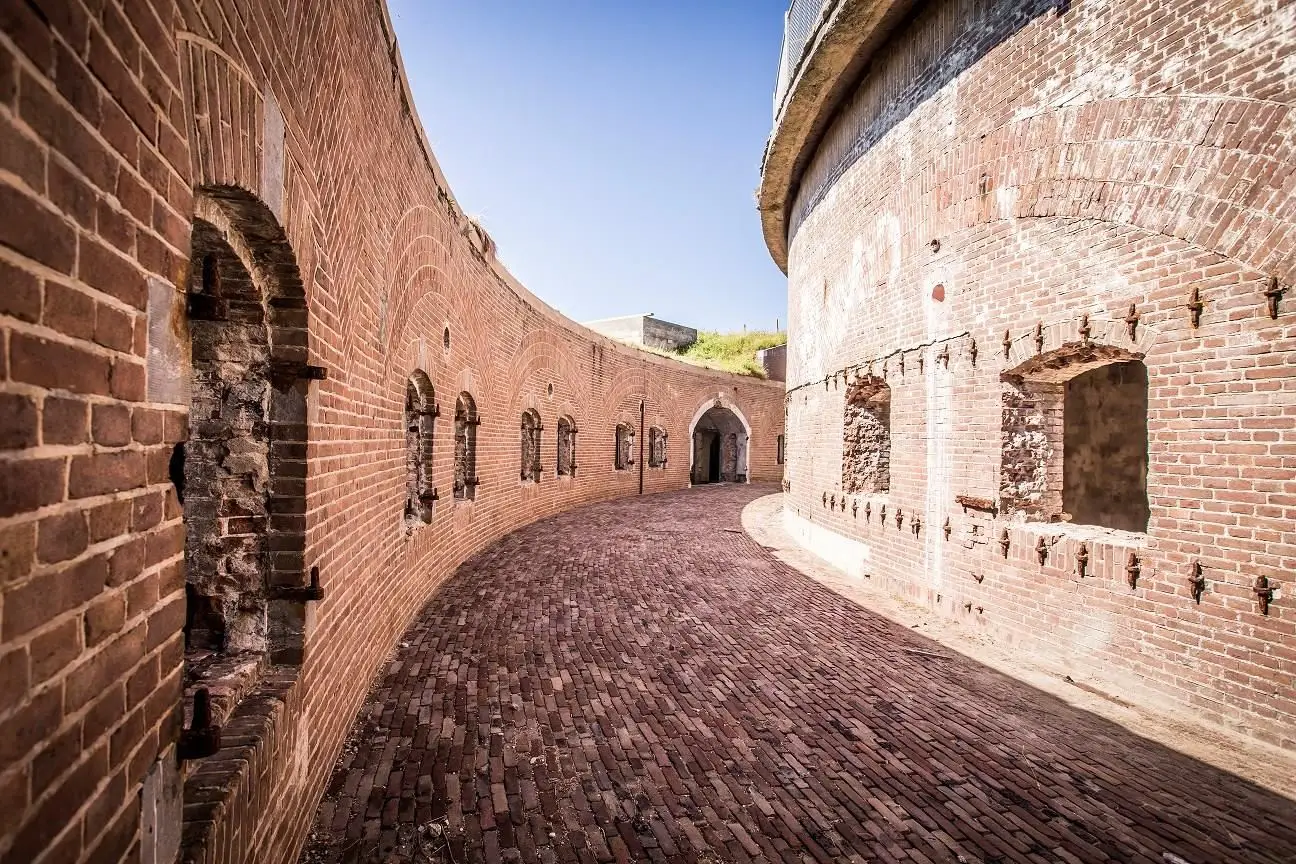
The city grew around forts, lines, and defense lines. Today, they form a green and often unexpected thread through the landscape. Fort Dirksz Admiraal, Fort Erfprins, and the rest of the Defense Line Den Helder still remain. Quiet, yet present.
Walk along it and you literally step through layers of time.
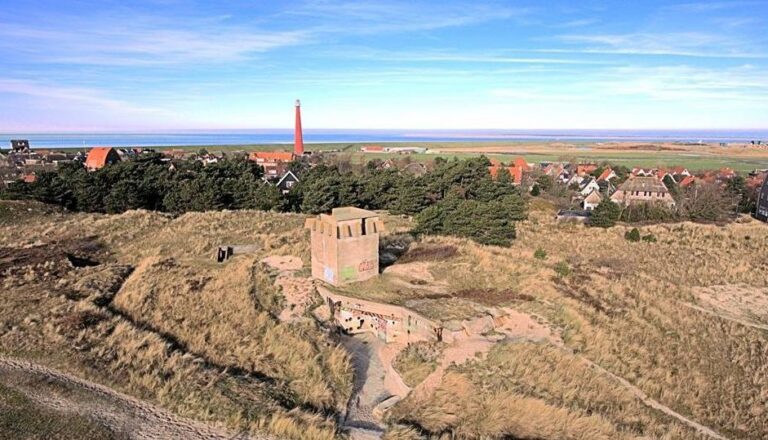
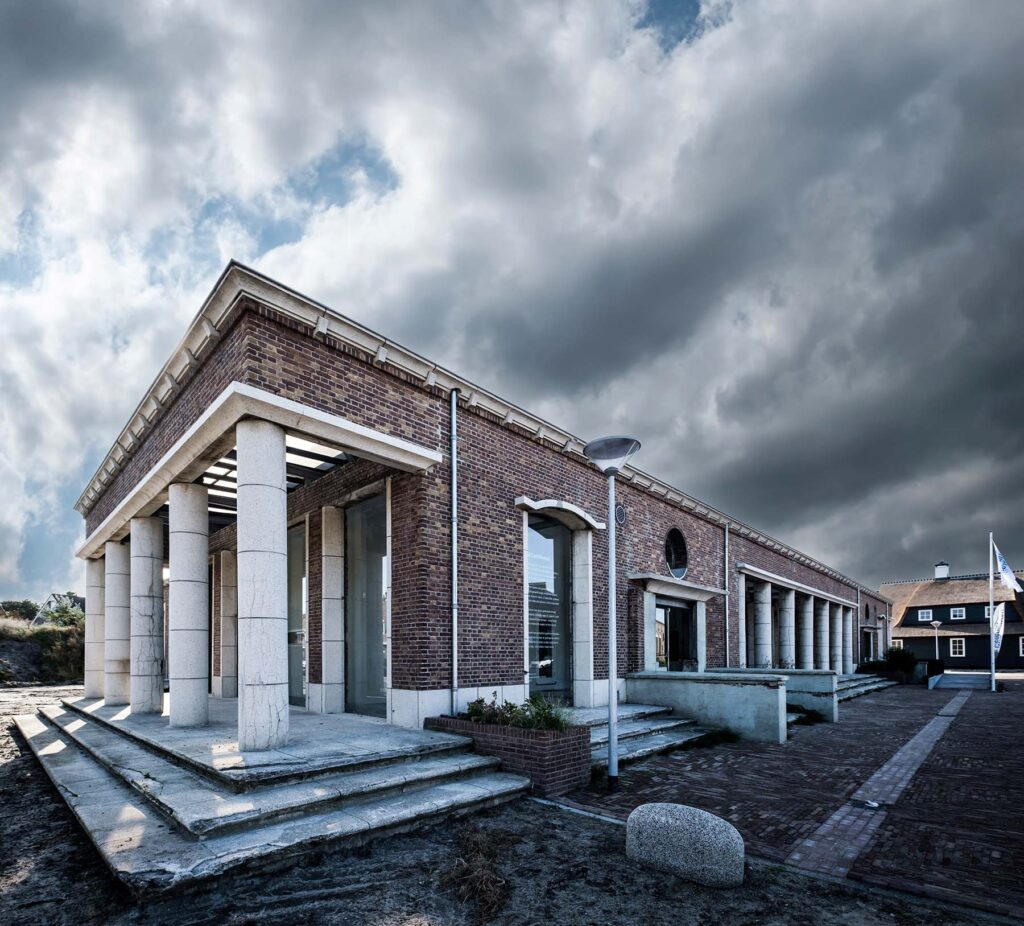
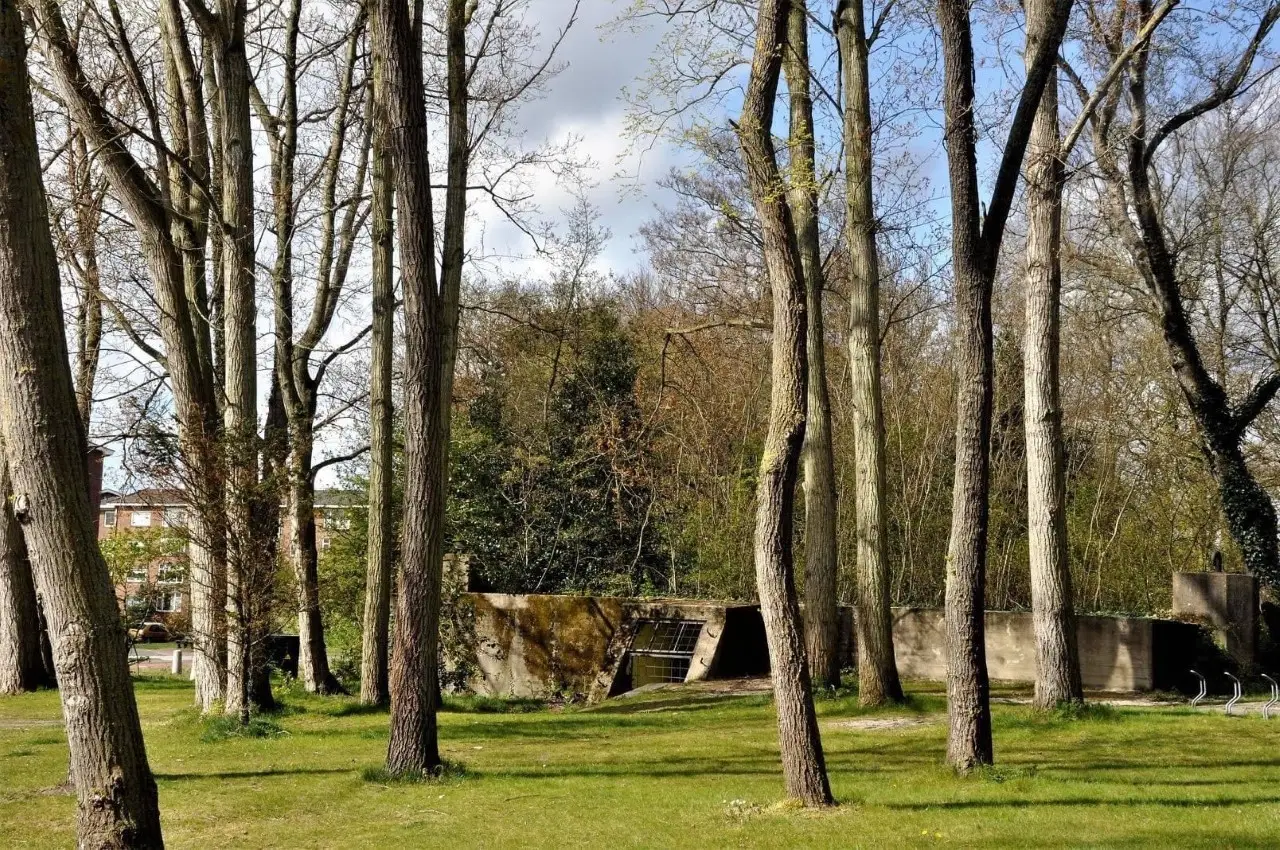
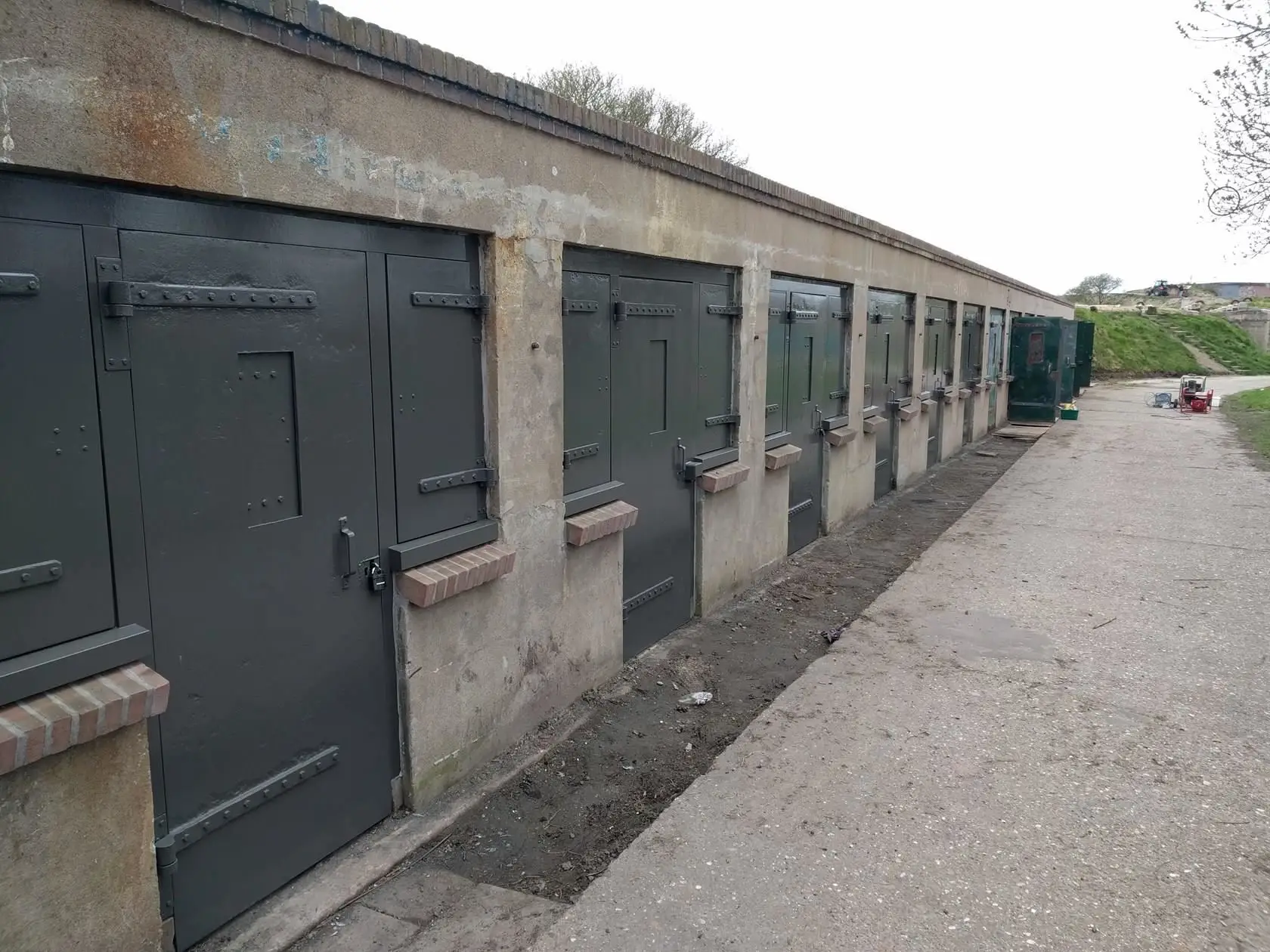
Den Helder also bears scars. During World War II, the city was severely affected. Bombed, abandoned, and rebuilt. Yet, much was preserved: from the bunkers of the Atlantic Wall to the current Atlantic Wall Center in Huisduinen.
There, you literally stand on the border between occupation and liberation. It tells a raw, honest story. Not just about struggle, but also about perseverance.
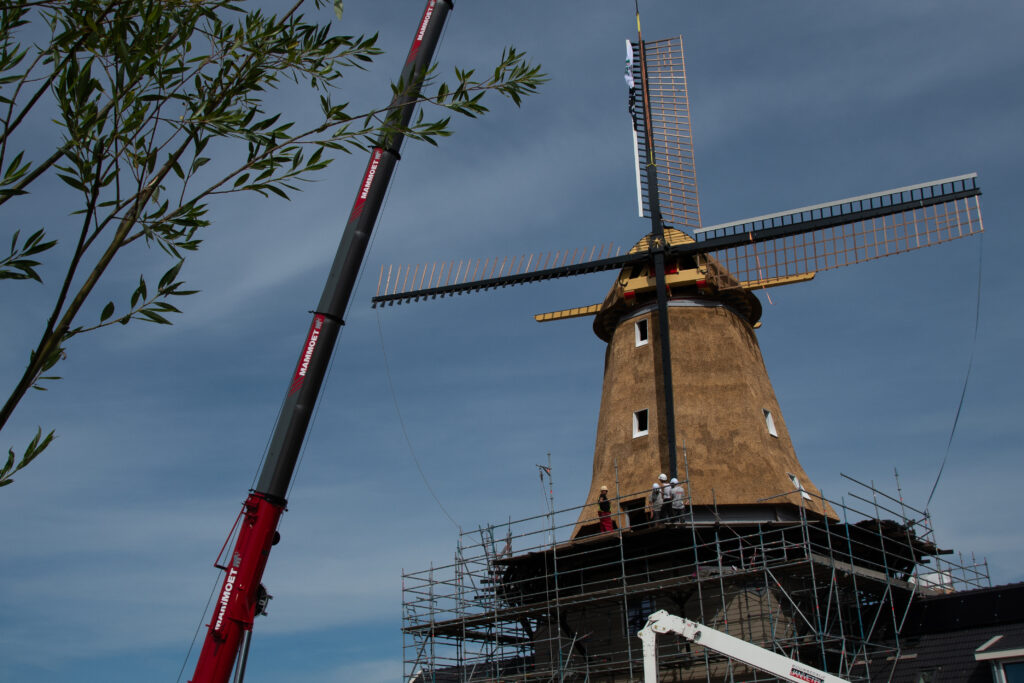
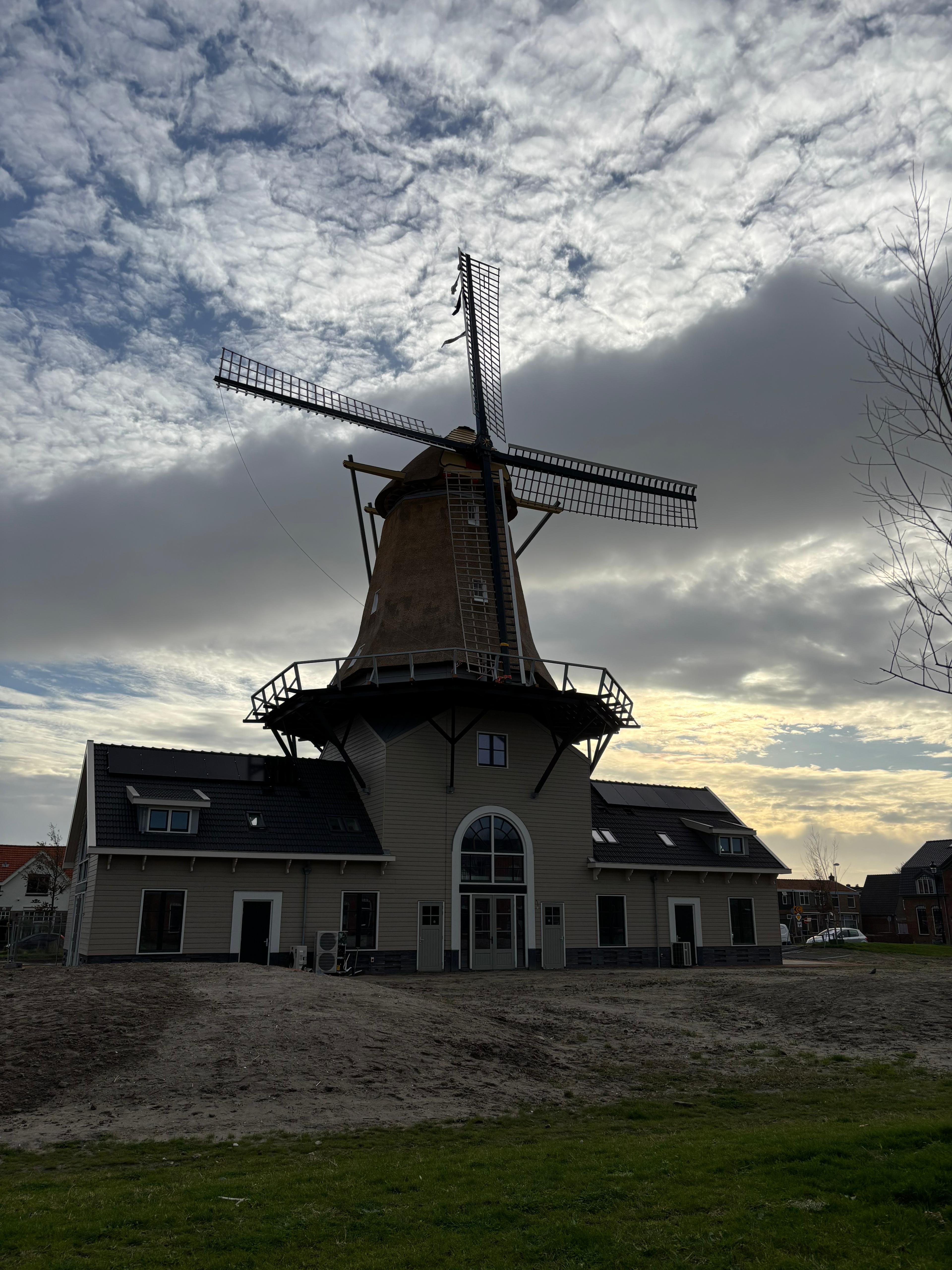
The De Goede Verwachting sawmill once played a vital role in the growth of Den Helder as a naval and port city. Timber was sawn here for shipbuilding at the shipyard.
In 1897, disaster struck. During a heavy thunderstorm, the mill was struck by lightning and burned down completely. It was never rebuilt. Until now. More than a century later, De Goede Verwachting (Good Expectation) stands once again in its original location.
The mill once again towers proudly above the city. A recognizable beacon that tells the story of craftsmanship and maritime history.
Den Helder's heritage is not only in the stones, but also in the landscape. In the dunes, the salt marshes, the polder lands, and the inland dunes of the Nollen. But also, and certainly, in the bulb fields in Julianadorp that bring color to the Noordkop every spring.
Here you see how people shaped the land, and how the land shaped them back.
Every dike, ditch and field tells something about survival, adaptation and perseverance.
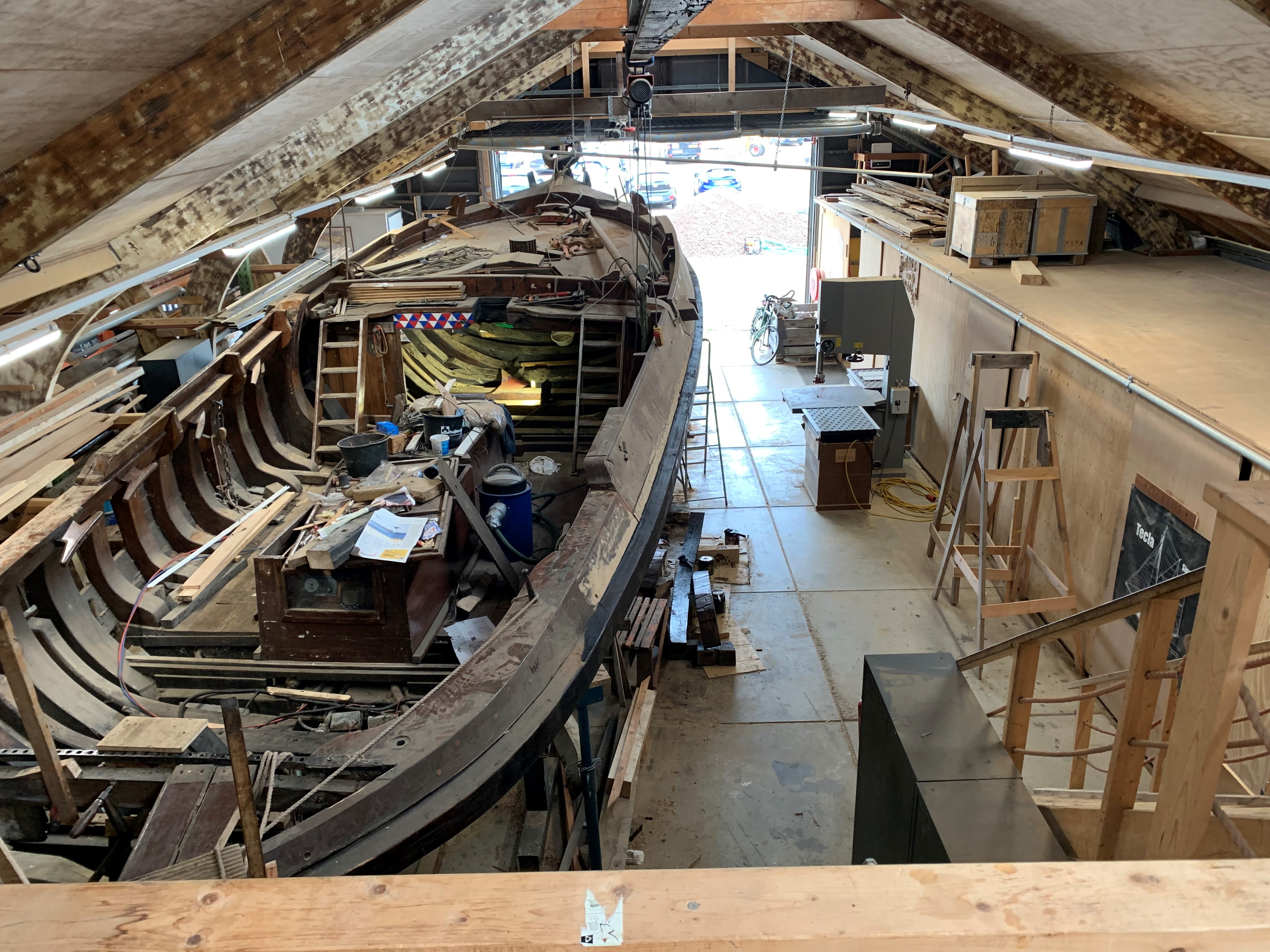
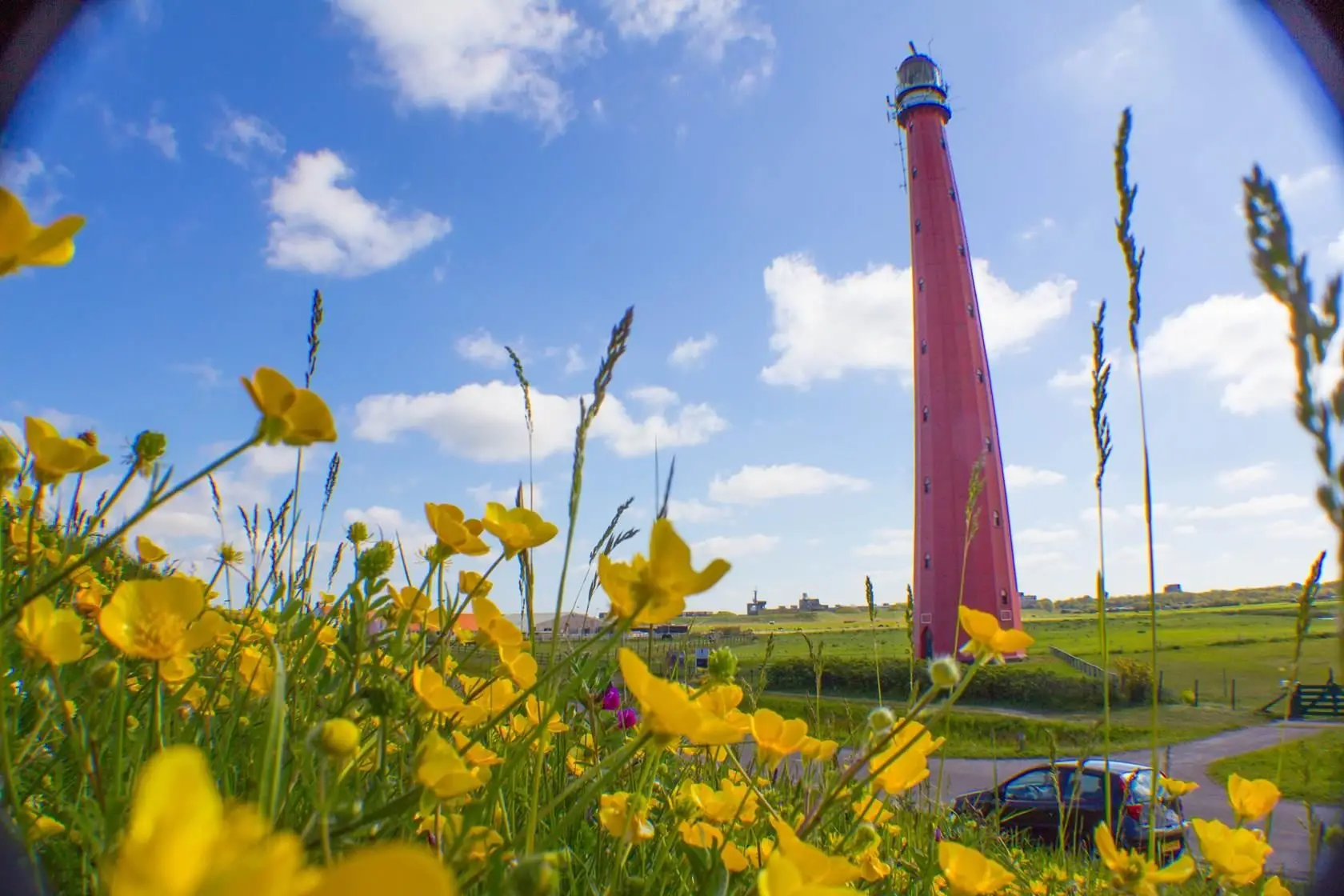
From cemeteries to the lighthouse, from bunkers to floating heritage: everything contributes to the story of Den Helder. And to the identity of its residents.
Already 5,000 readers receive weekly updates.
Tips, events and new places.
Subscribe to our newsletter.