Wadden Sea Area Follow us on social media: UNESCO World Heritage The Wadden Sea begins here Did you know that the Wadden Sea begins in Den Helder, at pole 0? Our city marks...
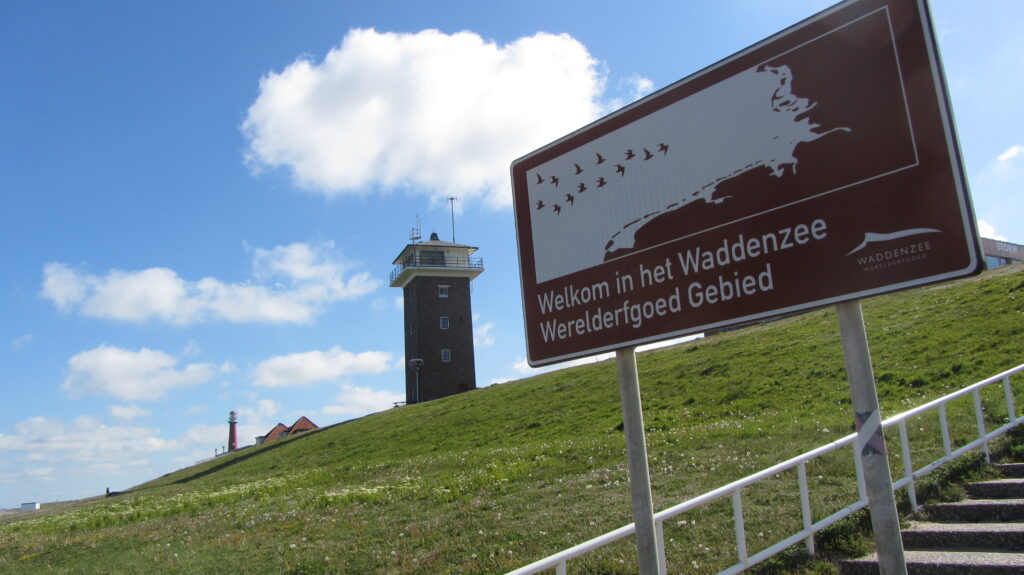
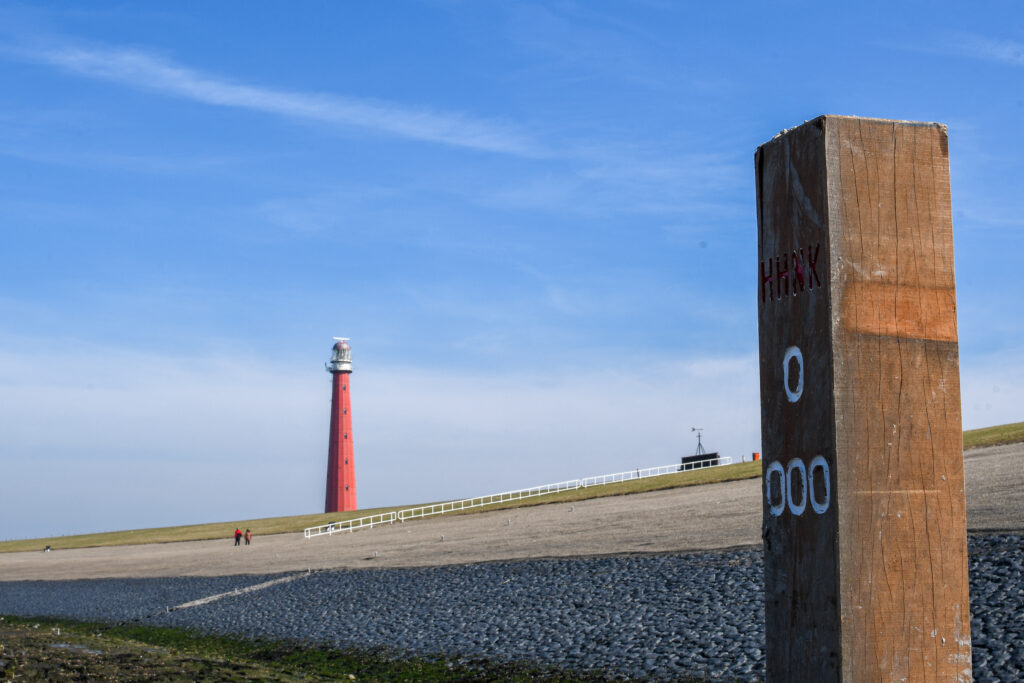
Did you know that the Wadden Sea begins in Den Helder, at pole 0? Our city marks the beginning of one of the most unique nature reserves in the world. Since 2009, the Wadden Sea has been a UNESCO World Heritage Site, and for good reason. The area is unique, constantly evolving, and vital to countless animal and plant species. From Den Helder, you step straight into this dynamic landscape. A place where you can literally feel the power of the ebb and flow beneath your feet.
The Wadden Sea is unique in the world and always in motion.
World Heritage at your feet
The Wadden Sea is more than just a natural area. Since 2009, it has been a UNESCO World Heritage Site, one of only 209 natural heritage sites worldwide. This places it alongside icons like the Grand Canyon and the Great Barrier Reef. The area received this designation for three unique qualities: its natural processes are unparalleled worldwide, it is vital for biodiversity, and it impressively demonstrates how nature and climate interact. In the Wadden Sea, ebb and flow, salt and fresh water, wind and water are the silent creators of the landscape. A landscape that changes every day and thus continues to tell its own story.
Photo: Walter Das
Where land and sea meet
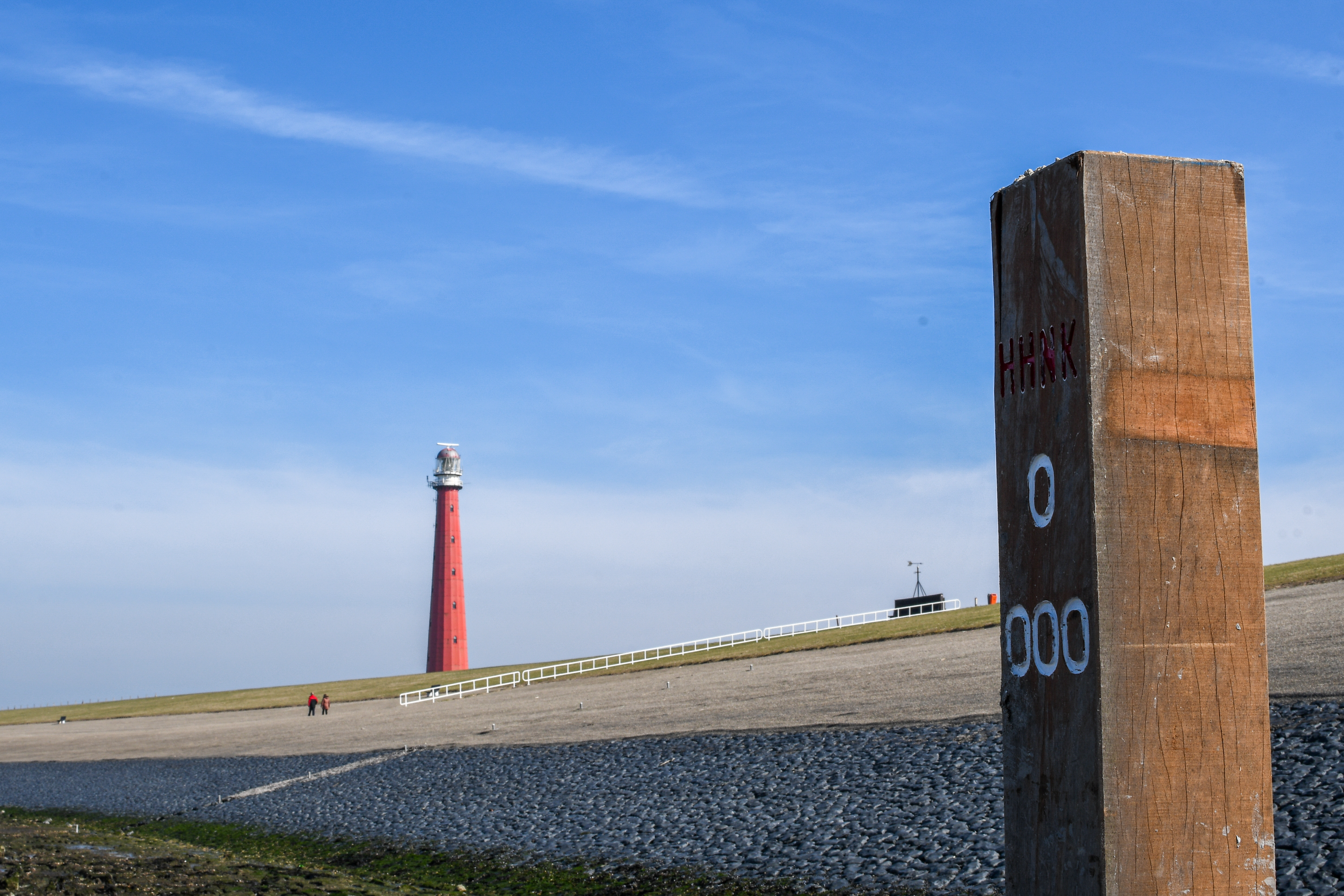
Pole 0: the starting point
On the pier next to Fort Kijkduin, you'll find marker post 0: this is where the North Sea meets the Wadden Sea. This marker post marks the beginning of a unique measuring system devised in 1840 by engineer Jan Blanken. Every kilometer along the North Sea coast was marked with a pole to measure coastal erosion. What began as an engineering project has grown into a cultural-historical landmark. Although Rijkswaterstaat no longer actively uses the system, the poles remain as a tangible reminder of our relationship with water.
A living island of sand, seals and birds
The Raging Ball
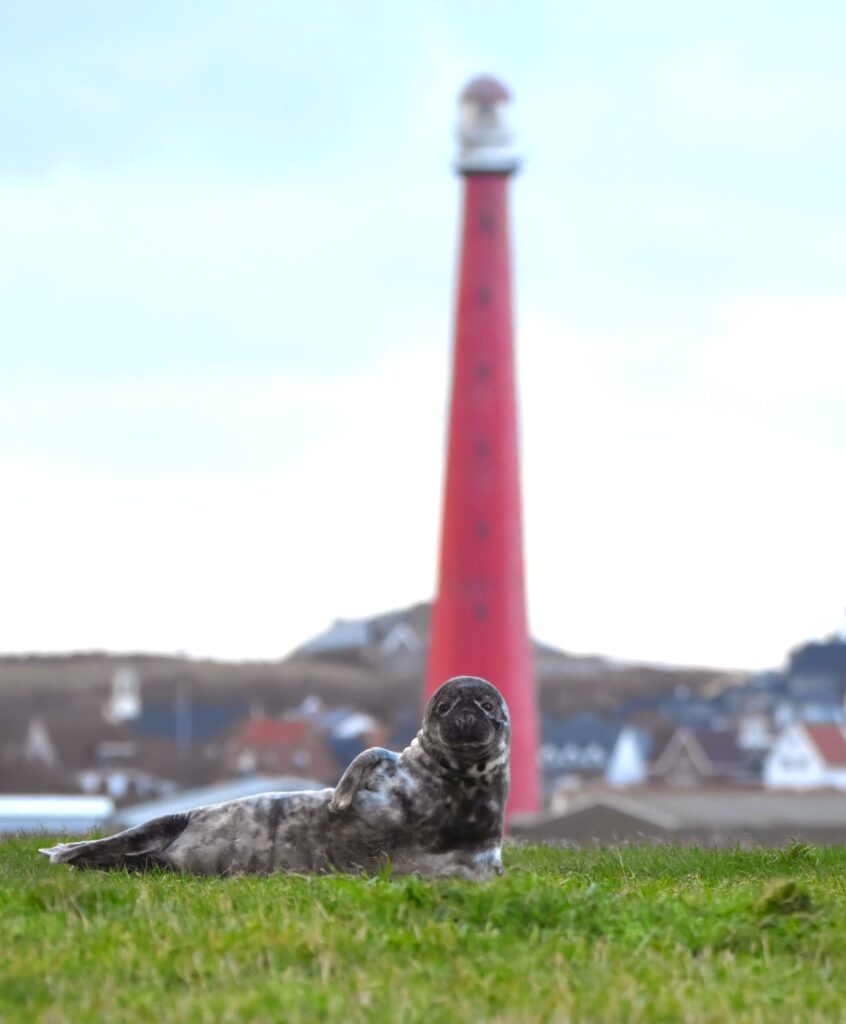
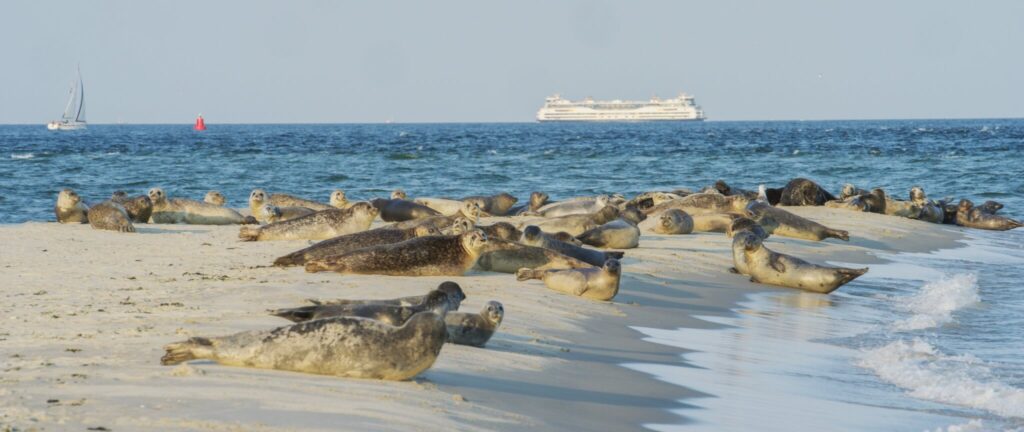
Between Den Helder and Texel lies the Razende Bol, or Noorderhaaks. A slowly shifting sandbank, shaped by wind and tide. From a distance, it appears like an empty expanse, but appearances can be deceiving. This is a sanctuary for birds, a resting place for seals, and a nursery for gray seals. If you look closely, you'll see herring gulls, little terns, and ringed plovers. The Razende Bol shows you how rich and raw nature can be.
Bird paradise on the coast
The calf and Balgzand
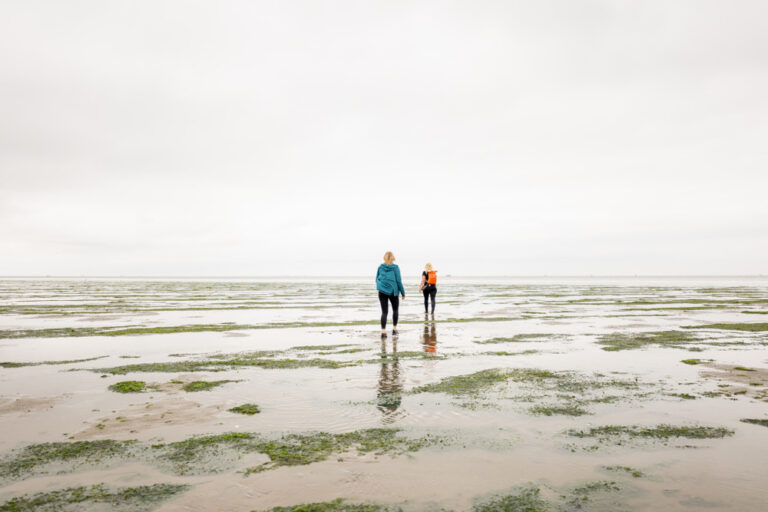
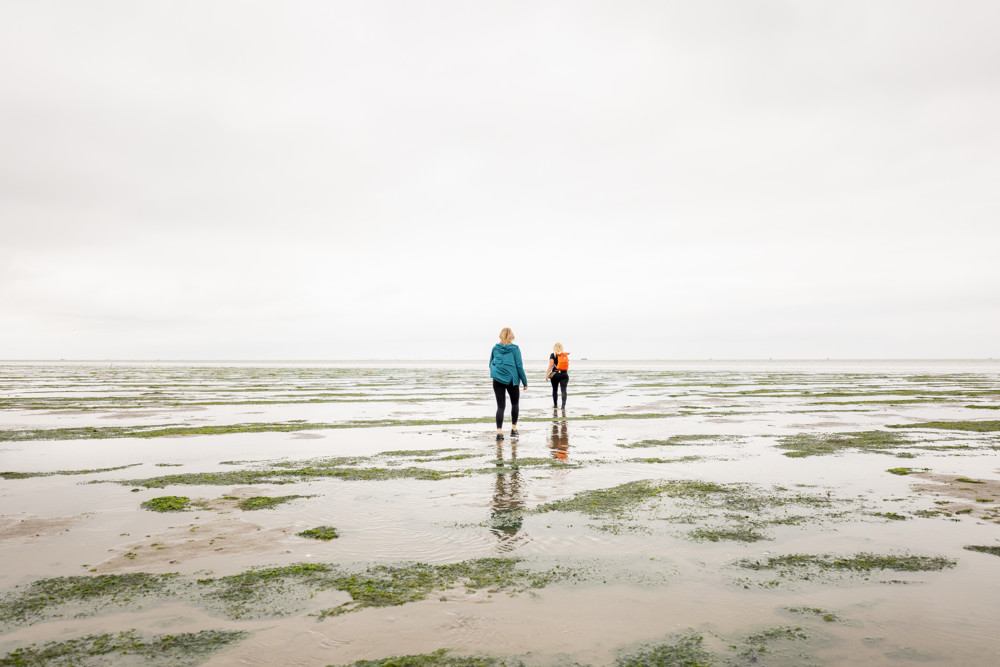
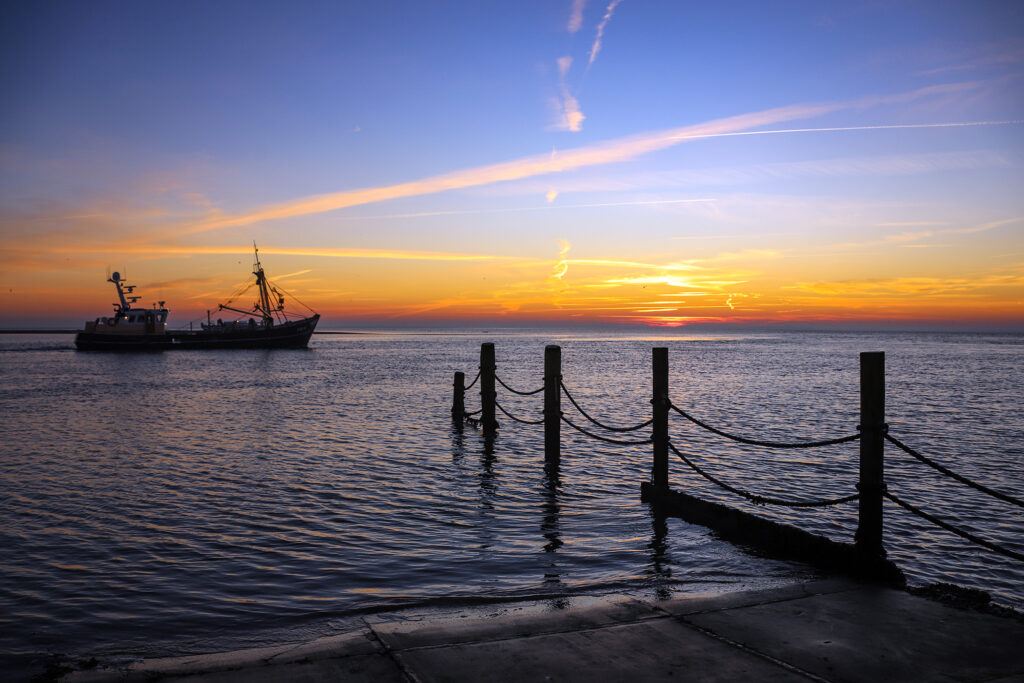
Lace up your hiking boots and visit the Kuitje: a freely accessible section of mudflats along Oostoeverweg in Den Helder. Here you'll experience the Wadden Sea up close, especially at sunrise when the light drifts across the mudflats. Nowhere in North Holland is birdlife as rich as at Balgzand. The landscape is vast and open, with viewpoints along the seawall that let you enjoy the rhythm of the tides.
As the tide rises, thousands of birds fly in graceful flocks toward the dike. The area dries out twice a day, revealing a wealth of food for birds: shellfish, shrimp, and snails. In spring, avocets, terns, and even spoonbills breed here on the salt marshes along the dike. And in July, large flocks of shelducks gather to molt—an impressive spectacle. Guided birdwatching excursions are available monthly.
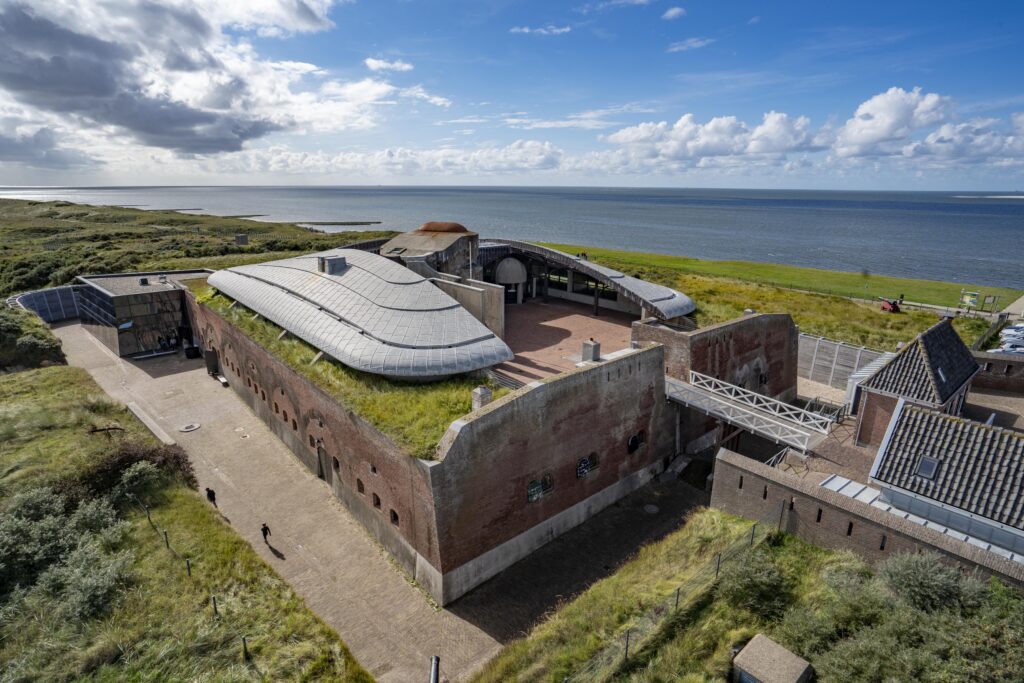
Den Helder is the ideal base for exploring the Wadden Sea region. Mudflat hiking, birdwatching, sailing, photography, or simply relaxing – it's all possible here. Hop on your bike and follow the route past the Stelling van Den Helder, an impressive fortification dating back to the Napoleonic era. Fort Kijkduin offers views of the mudflats and a glimpse into the city's maritime past. Combine nature with history and discover the power of the tidal landscape in all its facets.
Photo: Peter van Aalst
Here you begin your adventure on the edge of the Wadden Sea.