Discover the maritime history of Den Helder on foot
With water on three sides, Den Helder enjoys a unique location. Napoleon Bonaparte also recognized this, naming the city the Gibraltar of the North in 1811. It was the ideal spot for a naval port, and thus began Den Helder's military history. Today, the city is inextricably linked to the navy and the Den Helder Defence Line.
This walking route takes you past one of the old forts: Fort Dirksz. Admiraal. You'll also discover the charm of the Helderse city center and pass historical traces of the past.
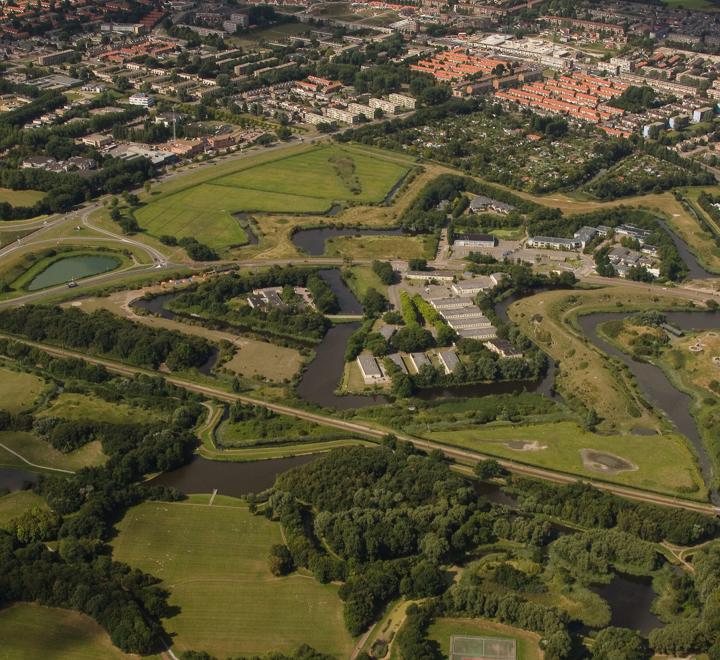
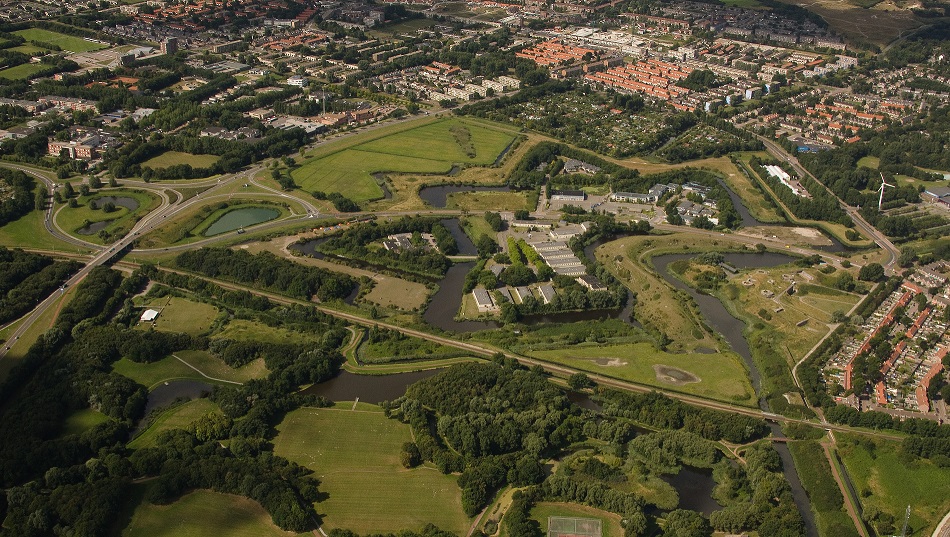
Fort Dirksz. Admiraal: a defensive stronghold steeped in history
To protect the naval port, Napoleon ordered the construction of four forts: Kijkduin, Erfprins, Dirksz. Admiraal, and Oostoever. These were later connected by a dike and together form the Stelling van Den Helder (Fortress of Den Helder).
Fort Dirksz. Admiraal, built in 1813 by the French, still breathes history. In the late 19th century, it was equipped with bombproof quarters, crew quarters, and powder magazines. During World War II, the Germans installed an anti-aircraft battery there. Although the fort is no longer completely intact, many structures are still visible, and you can feel the military history.
Along city parks and forgotten railway lines
The route continues through Quelderduyn city park, a green oasis in the heart of the city. At Schootenweg, you cross a small bridge. What many people don't know is that a branch of the railway line between Den Helder and Alkmaar once ran under this bridge. This railway line was constructed in 1865 as the second section of the Dutch Iron Railway Company.
At the time, a trip to Alkmaar took 70 minutes. The branch line ran to the industrial port, allowing ocean-going vessels to unload their cargo directly into train wagons. This stretch of track is now overgrown and largely gone, but the small bridge still serves as a reminder of this industrial past.