

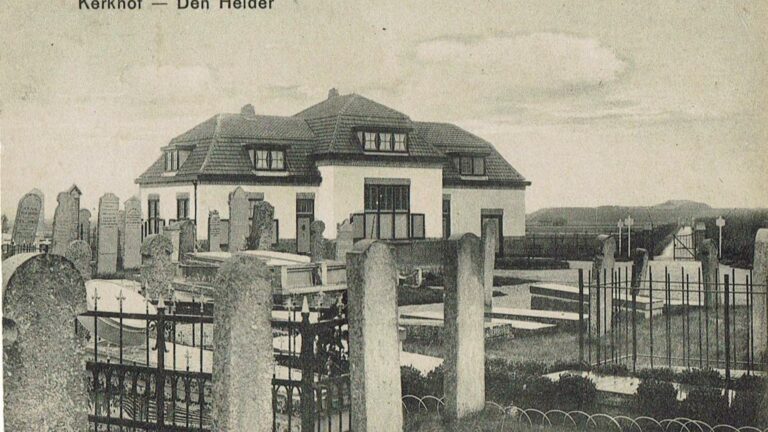
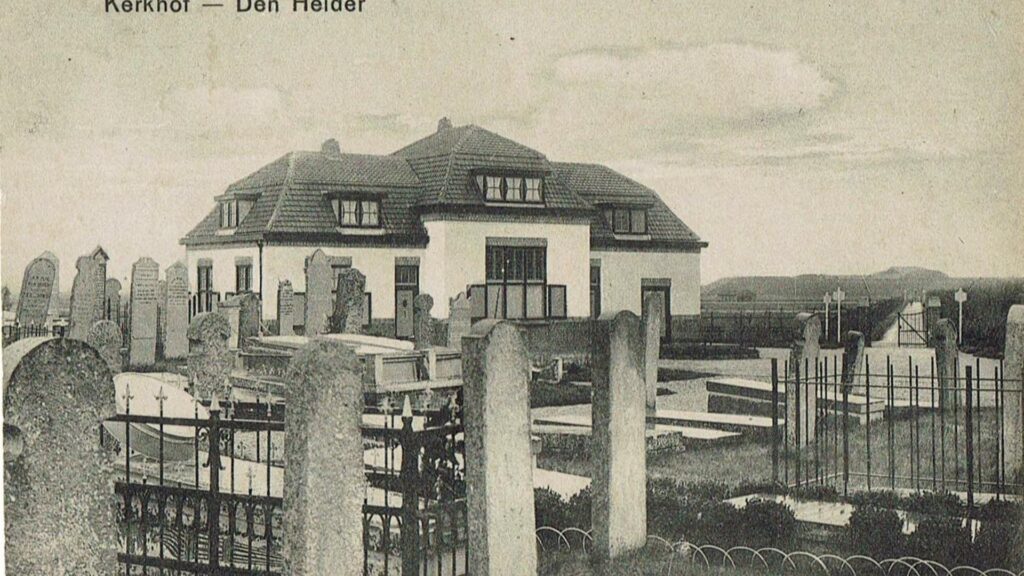
Each issue of the City Marketing newspaper highlights a section of Stelling Den Helder. This time, it's about the Battery Cemetery; a remarkable remnant because it's not a German bunker but a Dutch position.
This gun emplacement on Jan Verfailleweg was built in the late 1930s during the interbellum (the period between the two world wars), next to the centuries-old cemetery. It consists of three gun emplacements with ammunition storage areas and a crew quarters.
But back to the original, what is a battery? It's a military term for a unit of artillery weapons (such as cannons), often positioned in a row. This battery's task was to fire on enemy ships that intended to attack along the Helderse coast. This involved the use of so-called "indirect fire" guns. The gun crew received orders from a different location than where they were firing. In this case, that was from the observation dome at Fort Kijkduin or from survey posts in the dunes.
Cannon Barrel
The Battery Cemetery holds remarkable stories. The bunker, built by Dutch soldiers, was completed on April 26, 1940, exactly two weeks before German troops invaded the Netherlands. In response, the soldiers disabled the bunker and its anti-aircraft guns for the invaders. An exploded section of the gun barrel has been preserved and is in a private collection, which the owner subsequently donated to the Battery Cemetery. Nevertheless, the German occupiers also used the bunker: German writings were very recently discovered on the wall above the entrance.
Bunker bitter
An enthusiastic volunteer from the Stelling Den Helder Foundation now manages this shelter, and in the ammunition storage area at the cemetery entrance on Jan Verfailleweg, "bunkerbitter" is produced and bottled using an old Frisian recipe. Sound good? For orders, please contact us at [email protected]. Interested in the other stories? You can also contact us to arrange a private tour of the bunker.
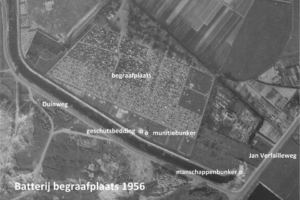
Photo 1956: The cemetery's condition just after the war. It's clear that the cemetery has expanded considerably since then.