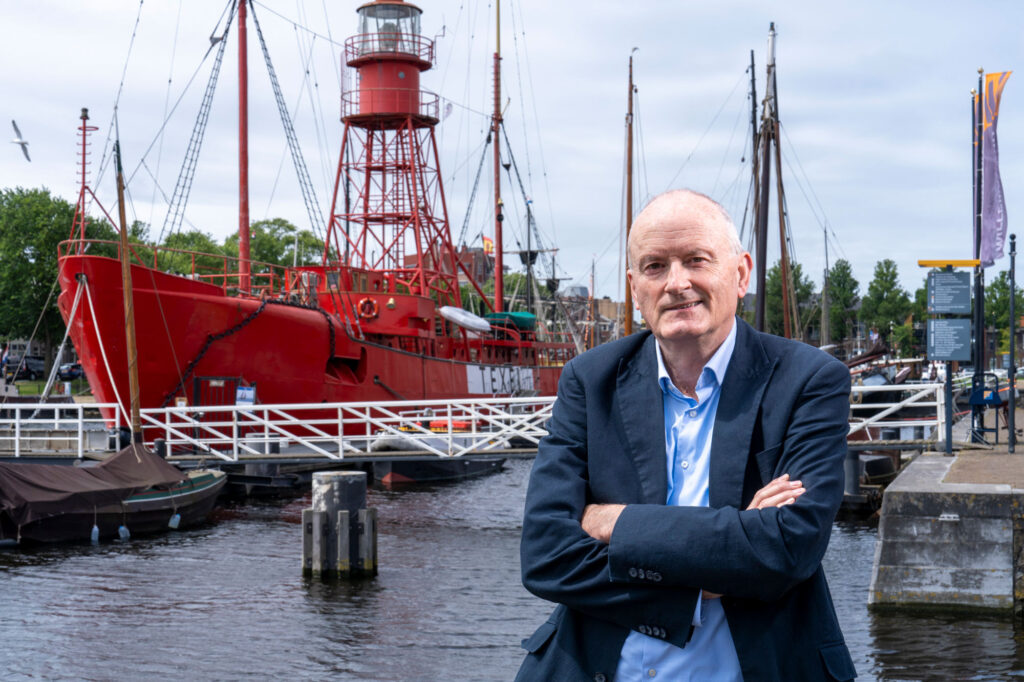
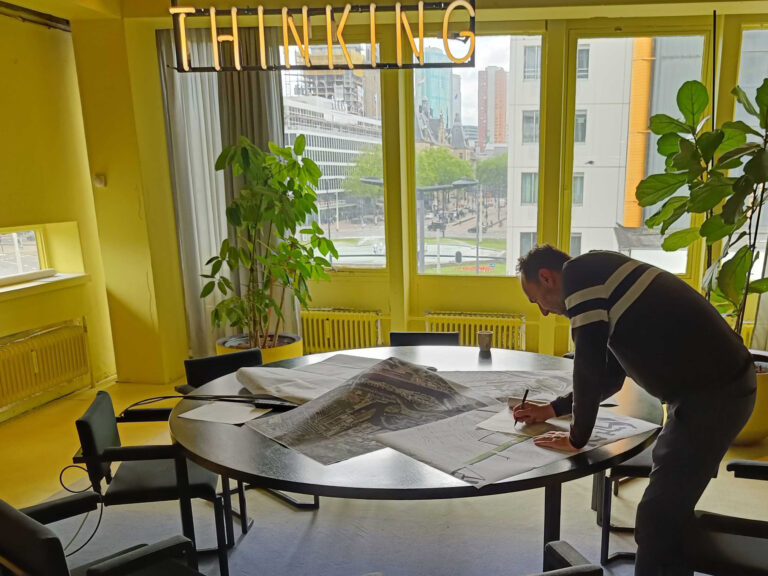
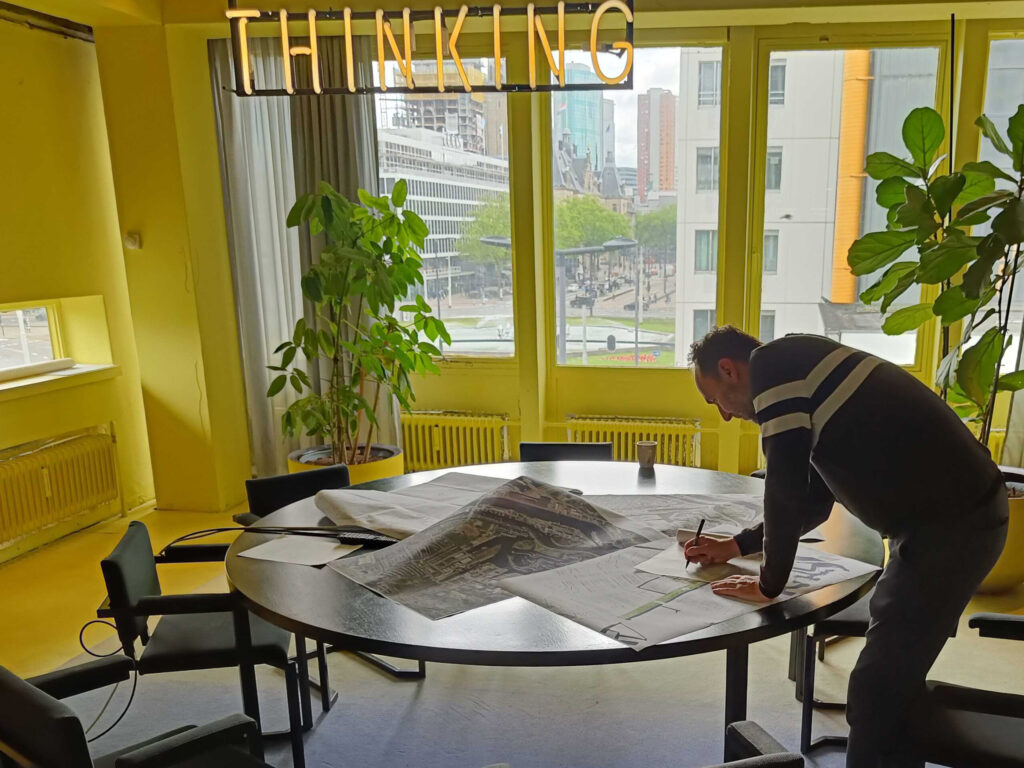
Bas van der Vinne is an urban planner at Zones Urbaines Sensibles, or ZUS for short. “Our assignment was to create an area vision in which the spatial and programmatic opportunities are identified and the frameworks for future development are established. After the completion of the vision, Scholen aan Zee wanted to open a location on the Ruijghweg, but that ultimately proved unfeasible. Zeestad is now taking it up again.” This entails a recalibration plan based on the original vision and an implementation plan for the first phase. “The land was owned by the Ministry of Defence, but is now owned by the municipality, so you could build there tomorrow, so to speak.” Bas refers to the area around the Helderse athletics track. The transfer offers new possibilities. “Our vision is a point on the horizon. The entire area is not in the hands of the municipality, but in consultation with all parties, much is possible. We spoke with the owner of the marina and with the Ministry of Defence at the time. There is positive and constructive input regarding the future of the area.”
The possibilities are diverse. “First of all, with a commission like this, you look at what makes the location unique. This is a super cool area that has a direct relationship with the water. The nautical aspect is present, there is a link to the navy, and there is a fort situated there that is part of the defence line. It is a place where all kinds of worlds come together. Actually, it has all the ingredients to become a very beautiful part of Den Helder.” A part as part of something larger. “BVR, a landscape architecture firm from Rotterdam, has written a vision for the entire line in which the recreational potential is clearly identified. The Den Helder defence line forms an important part of the Helders heritage and is used here and there, but there has never been an overarching vision. It is a bit of a neglected child, whereas Den Helder could really distinguish itself from a historical perspective.” Bas pulls out the map. “That is why, for example, we are also advocating for a recreational bridge to Fort Westoever, so that walkers and cyclists can make a circuit around the defence line.”
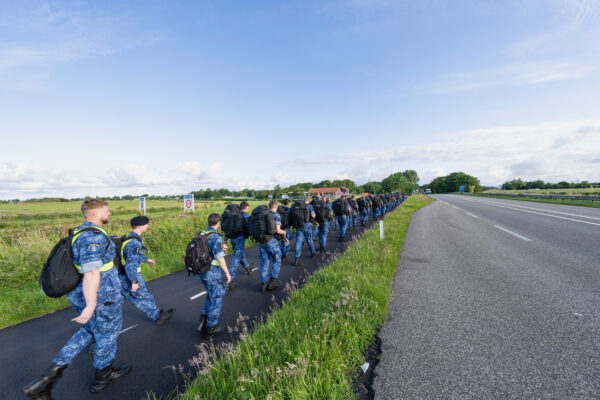
ZUS looks at Den Helder through Rotterdam eyes. A city with a similar history of bombing and reconstruction. The Spoorhavengebied appealed to them enough at the time to give a pitch. “We really love raw places. For example, we do a lot in old industrial areas, where we always do our best to preserve that raw identity. They don't have to become manicured streets. Den Helder already has that identity of its own. The first thing that stands out in Den Helder is the impact of the military. I walked in here and immediately saw groups of 18-year-olds running with gear. Furthermore, the fortifications, the water, and the maritime atmosphere offer all kinds of possibilities that we might have in Rotterdam as well, but here, port activities are being pushed further and further out of the city. In Den Helder, you can still literally feel the port in the city.”
Make use of the available resources
The budgets are different than in the Randstad, though. “That naturally influences what you can do in an area. Personally, I find it a wonderful challenge. With limited budgets, you look even more closely at the existing qualities. You can set up a good reference project anywhere, but here you work from what is already there. You have to make use of the resources available, the entrepreneurs located there, and the people living around.” He points to the map again. “This area here, for example, is truly a world of warehouses. So it is interesting to see if you can do something with that. You could also look into designing apartments that incorporate features of that warehouse construction. Or here, in this section, there are Stelcon plates. We would like to reuse those kinds of materials to preserve the raw character.” He shows a collage with a path of Stelcon plates along the water. “We think that the connection with the water there can be strengthened by constructing a jetty path along the quay, so that you walk closer to the water and can moor your boat here, for example."
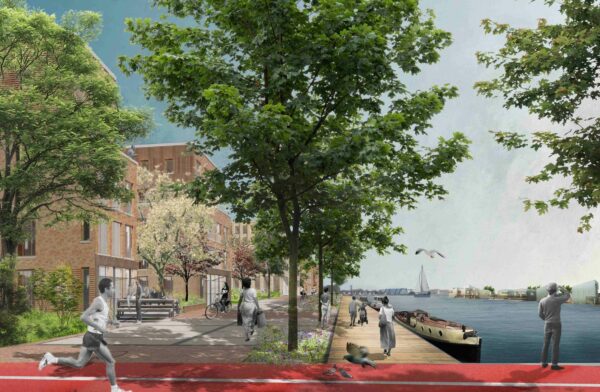
”Zeestad plays an important role in realizing these kinds of ideas. “Project development as organized in Den Helder could be a very good model for other cities. It is a consequence of the market, which means that developers from outside the city are not exactly eager to develop here. But it works out very well with an organization that is firmly rooted in the city and knows the ropes at the political level.” And he sees something else. “There are a number of very creative entrepreneurs at Den Helder. Look at Fort Westoever. That attracts quite a lot of visitors. Especially if the fort can be connected to the defensive line, that would be very valuable.” So, in Den Helder, we have to rely more on good collaboration and creativity. “And a bit of branding. I think the average Dutch person doesn't know that Den Helder is a fortified city. In other cities, that is often something that draws people in. If you link a good network to that, it can become a wonderful recreational destination.”
Unique
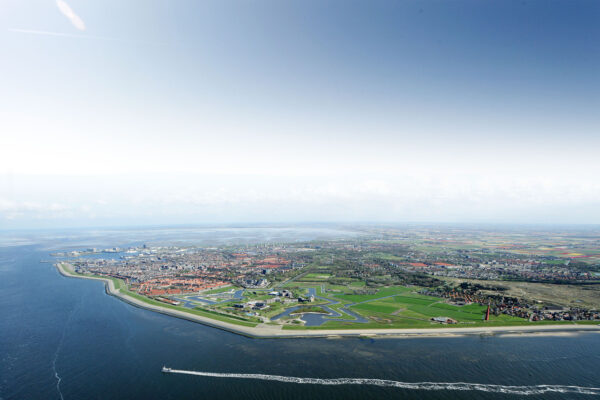
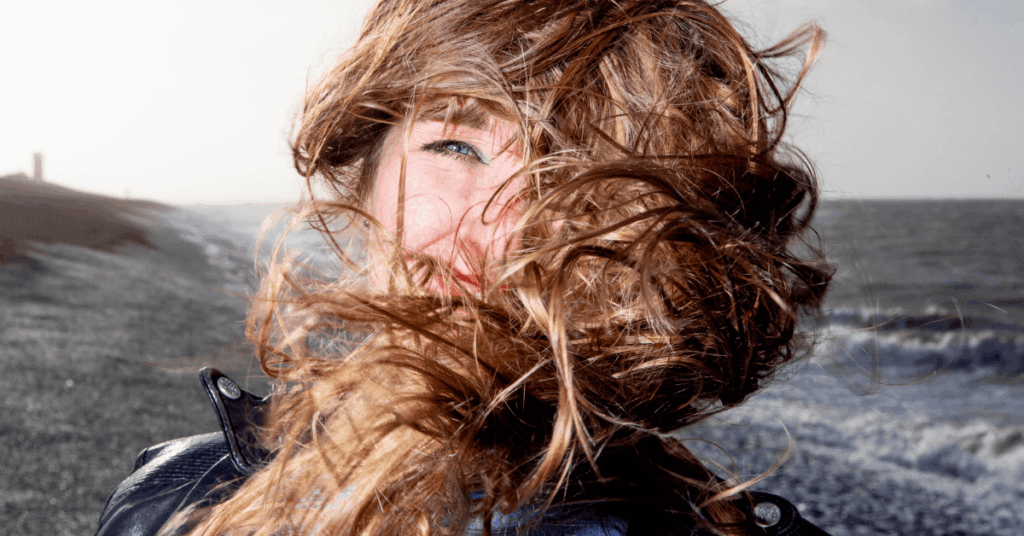
Bas got to know Den Helder as a visitor. Yet, even he has his favorite spots. “As a Rotterdammer, I tend to look for places where there isn't too much development. I am very charmed by the Defence Line and the forts, but I also find cycling along the dike special. It is always windy there, you can see Texel, and an asphalted dike extending all the way to the water is unique. You have beaches along the entire Dutch coast, but a city situated directly by the sea—at the end of the world—and separated only by a stone dike, you don't find that anywhere else.” Still, he cannot ignore the Defence Line. “The historical aspect and the stories that go with it, the network of forts… that is incredibly interesting. Not from an urban planning perspective, mind you; it is a defensive structure. Very defensive and sustainable. But it is a beautiful ring around the city. Den Helder is wrapped in, just like many older cities, by a city wall.” He feels connected to Den Helder. “That is necessary, too. When we work on a project in a city, we really immerse ourselves in that place. You develop a certain love for it. You can get pretty far with Google Streetview, but we always cycle through a project area with the entire design team. You have to see and experience things for yourself, feel and even smell them. You have to ask yourself: how windy is it really there?”