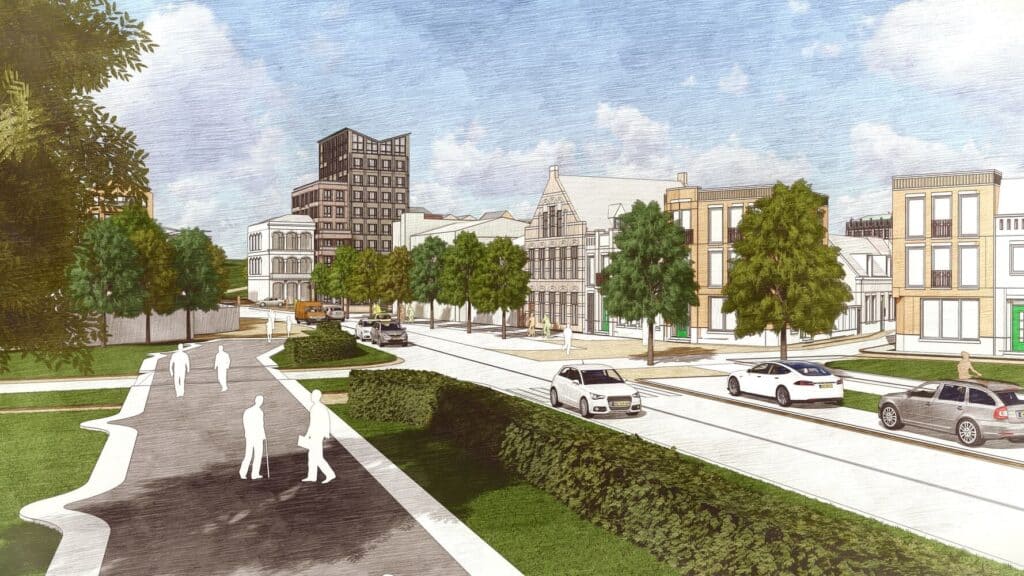
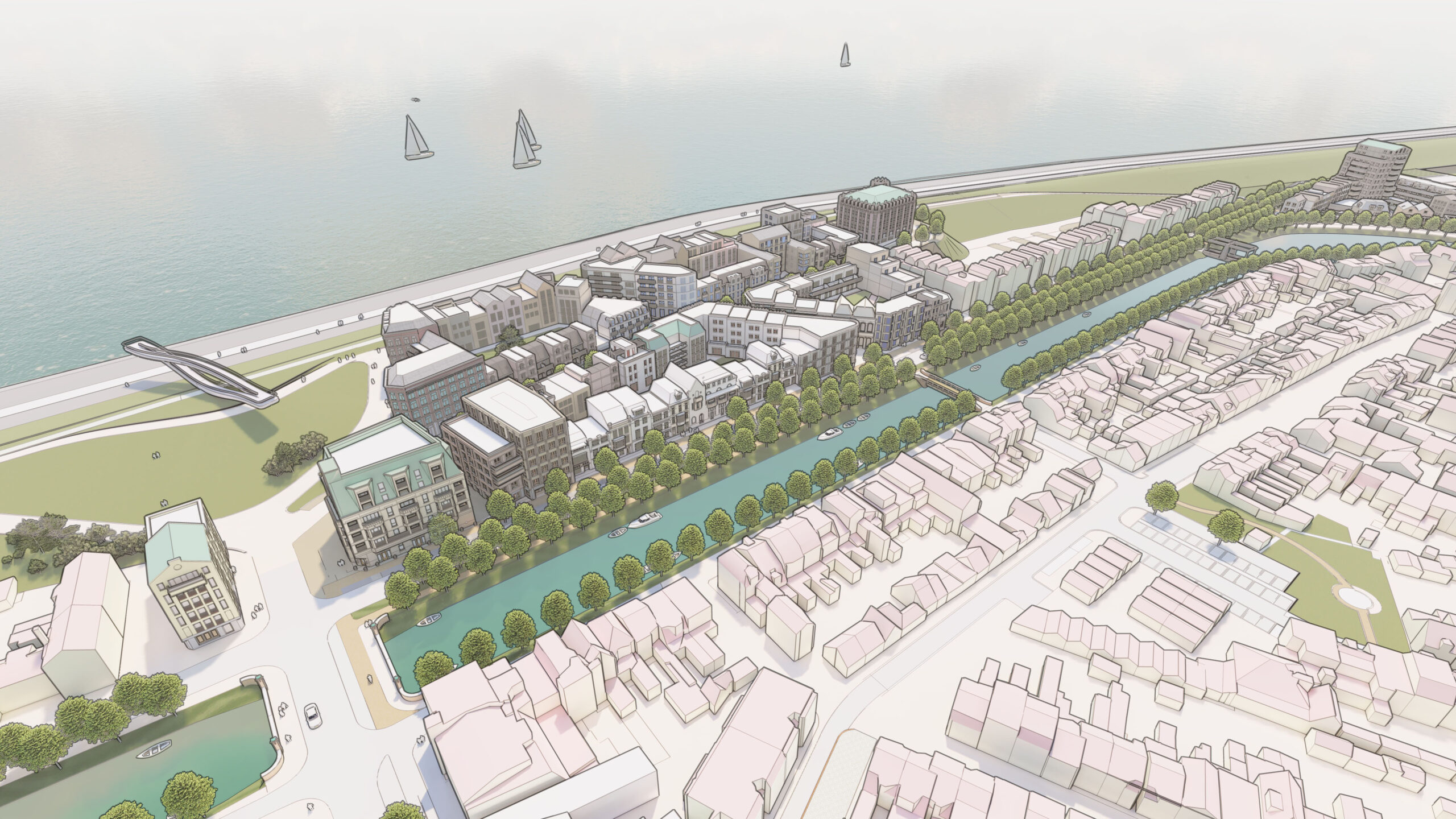
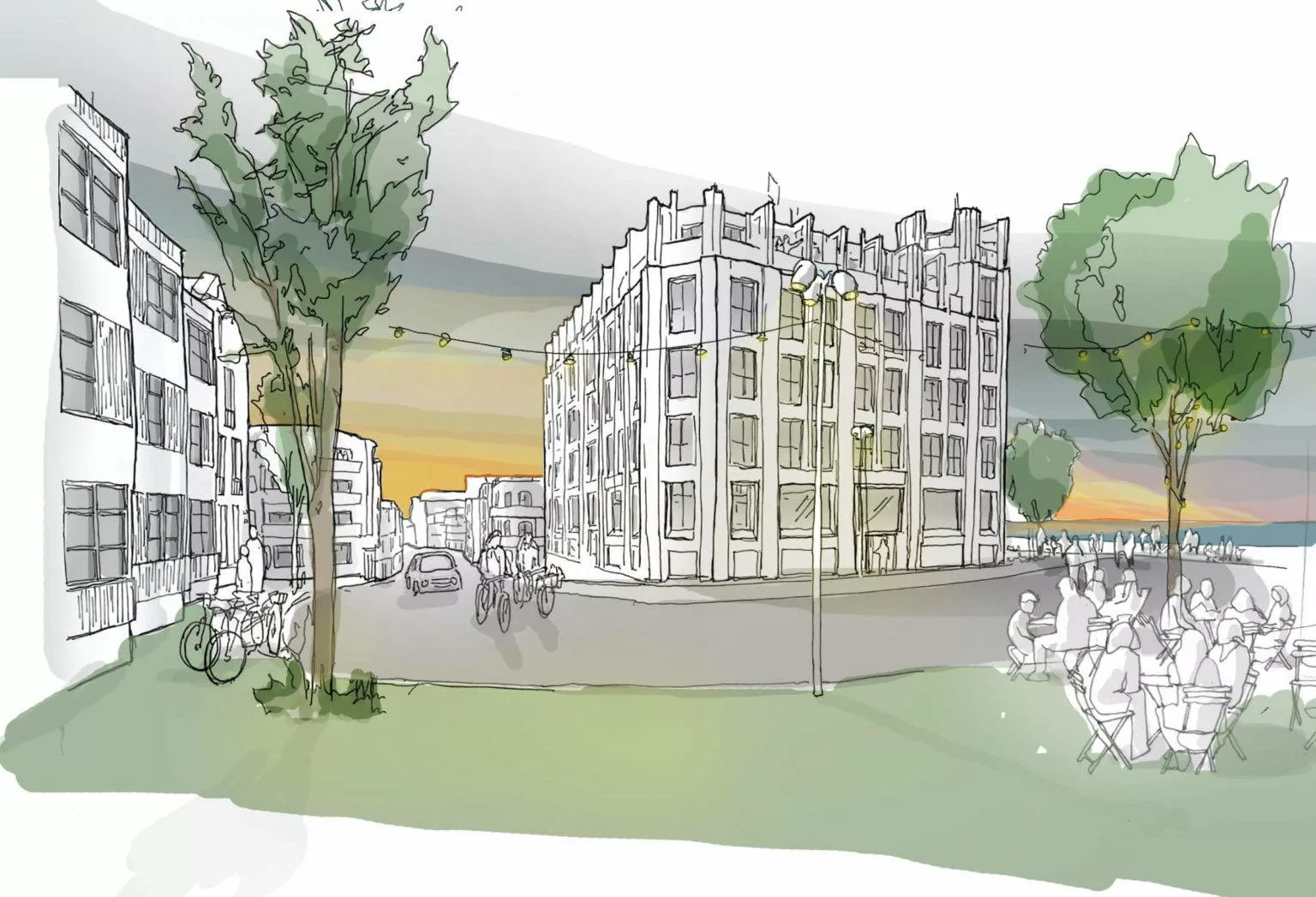
A new residential area on the sea dike of the future – that is the Dijkkwartier in Den Helder. This project, nationally unique, also demonstrates how two current, major challenges can be tackled in combination: the housing shortage and protection against rising sea levels. The dike is being raised slightly and at the city side widened, to continue protecting Den Helder for centuries to come, even as sea levels rise. This robust dike simultaneously serves as a unique foundation for urban development. Existing buildings are making way for new housing and living, on and along the sea dike of the future.
The Dijkkwartier is a key project within the renewal of the city centre of Den Helder. Since the implementation plan of 2008, the city has been renewed step by step, with the Dijkkwartier as an important link on the course towards an attractive maritime city.
Commissioned by Housing Foundation Den Helder and the municipality of Den Helder, development company Zeestad is investigating whether over 200 homes can be built in the first phase of the Dijkkwartier. In addition, the Hollands Noorderkwartier Water Board is investigating whether the dike can already be reinforced, widened, and raised to accommodate this new residential area. This creates a connection between Den Helder and the sea and ensures water safety far into the future. It makes Den Helder a 'City by the Sea' once again.
The Dijkkwartier is a key project within the renewal of the city centre of Den Helder. Since the implementation plan of 2008, the city has been renewed step by step, with the Dijkkwartier as an important link on the course towards an attractive maritime city.
Commissioned by Housing Foundation Den Helder and the municipality of Den Helder, development company Zeestad is investigating whether over 200 homes can be built in the first phase of the Dijkkwartier. In addition, the Hollands Noorderkwartier Water Board is investigating whether the dike can already be reinforced, widened, and raised to accommodate this new residential area. This creates a connection between Den Helder and the sea and ensures water safety far into the future. It makes Den Helder a 'City by the Sea' once again.
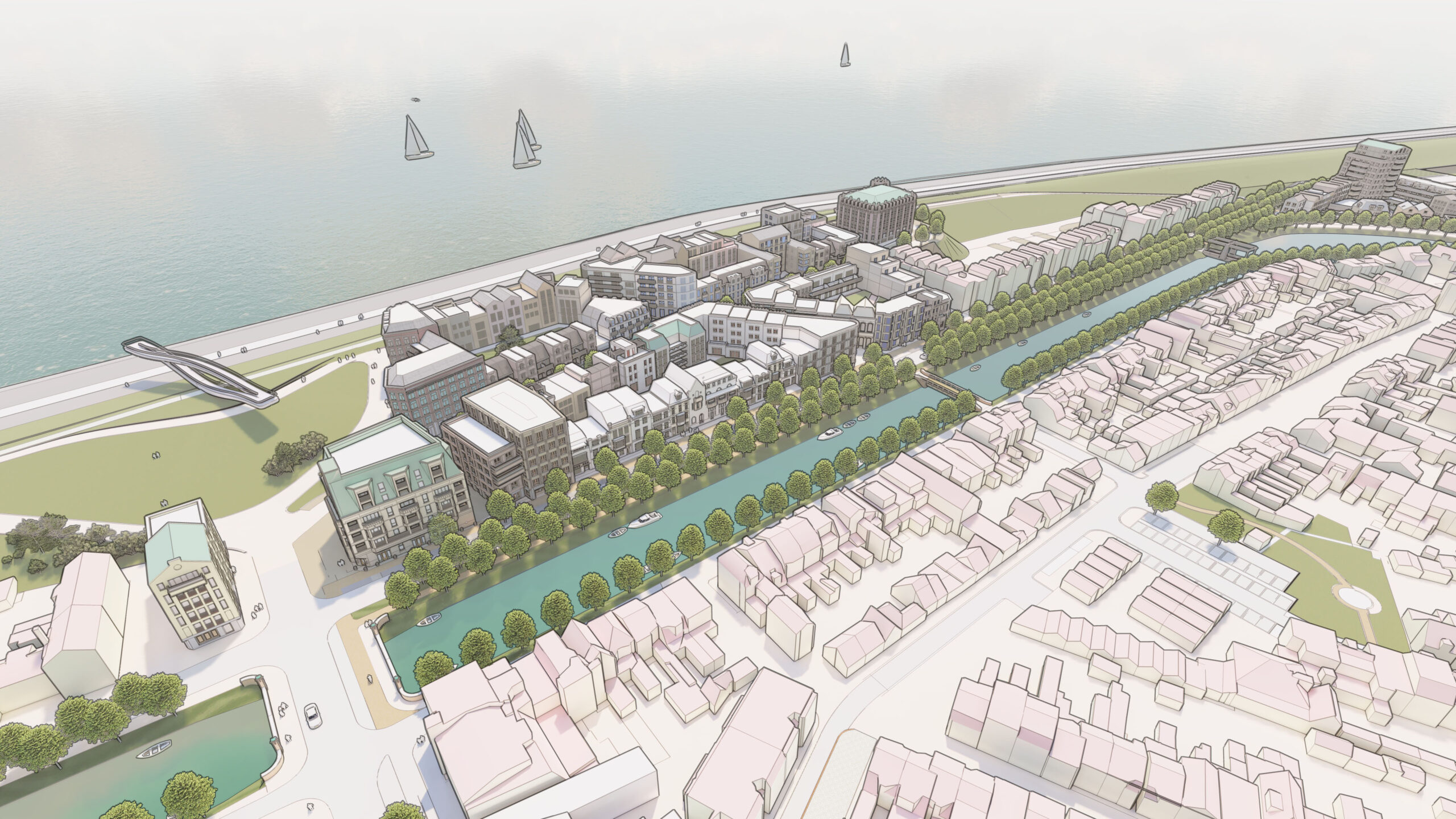
Urban design elaboration and visual quality
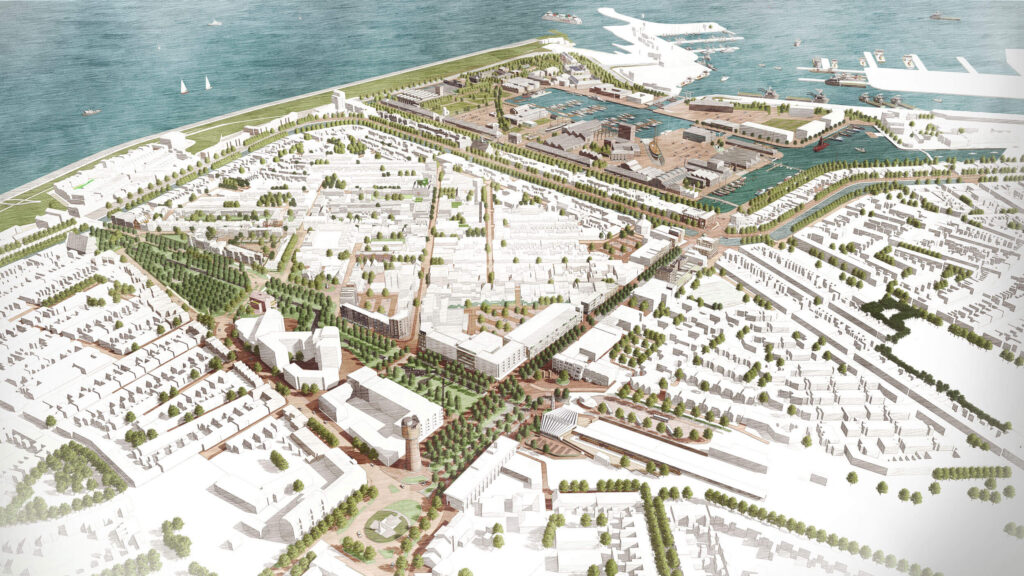
West 8 developed the urban planning vision that focuses on a sustainable living environment with attention to livability, parking standards, and spatial quality. Phase 1 consists of a mix of single-family homes and apartments, supplemented with amenities in logical locations.
The vision rests on three pillars: connection between city and sea, the addition of an attractive living environment, and a climate-resilient dike for the next 200 years.
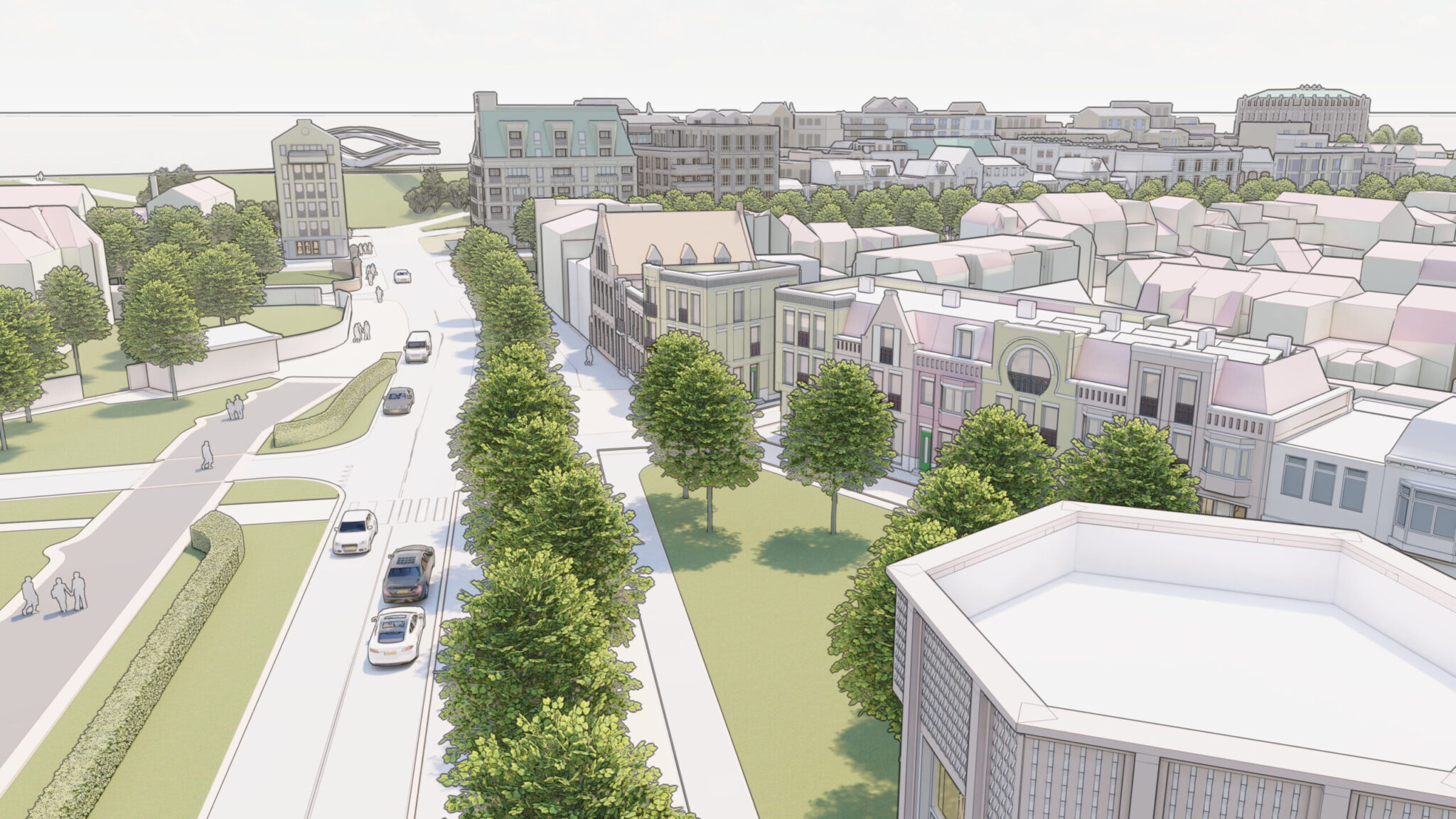
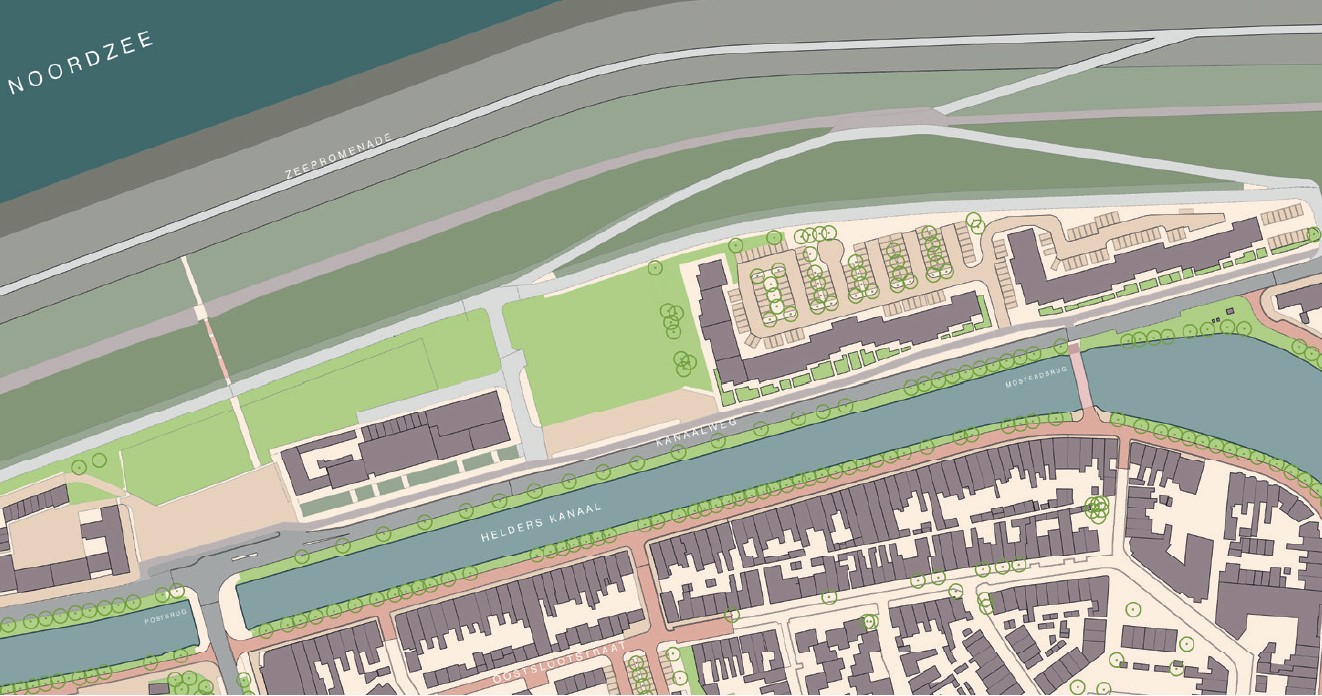
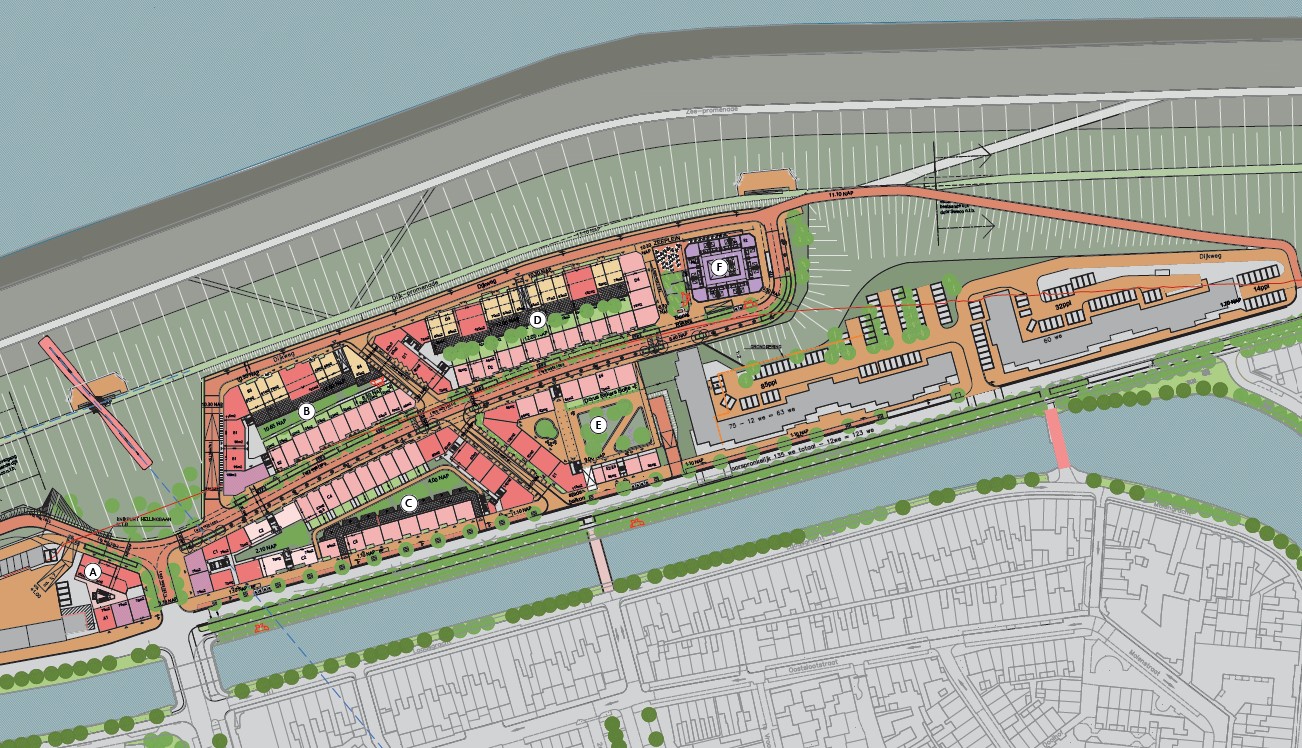
The Dijkkwartier extends the Stadshart and bridges the 10-meter elevation difference in a natural way. Development along the Kanaalweg enhances the quality and experience of the route, while housing on the dike adds new living environments. Meeting places are woven into the plan, contributing to an inclusive neighborhood.
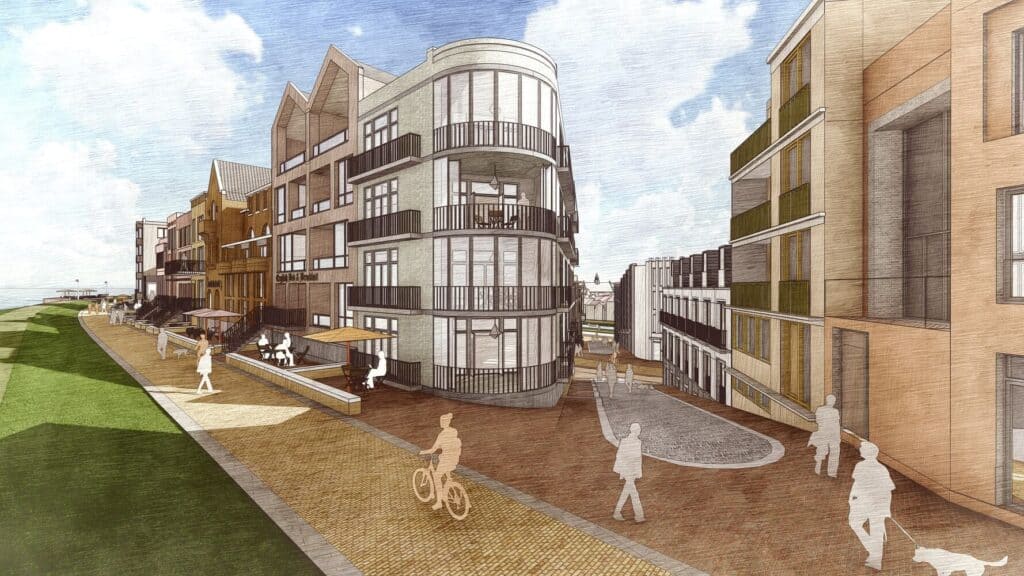
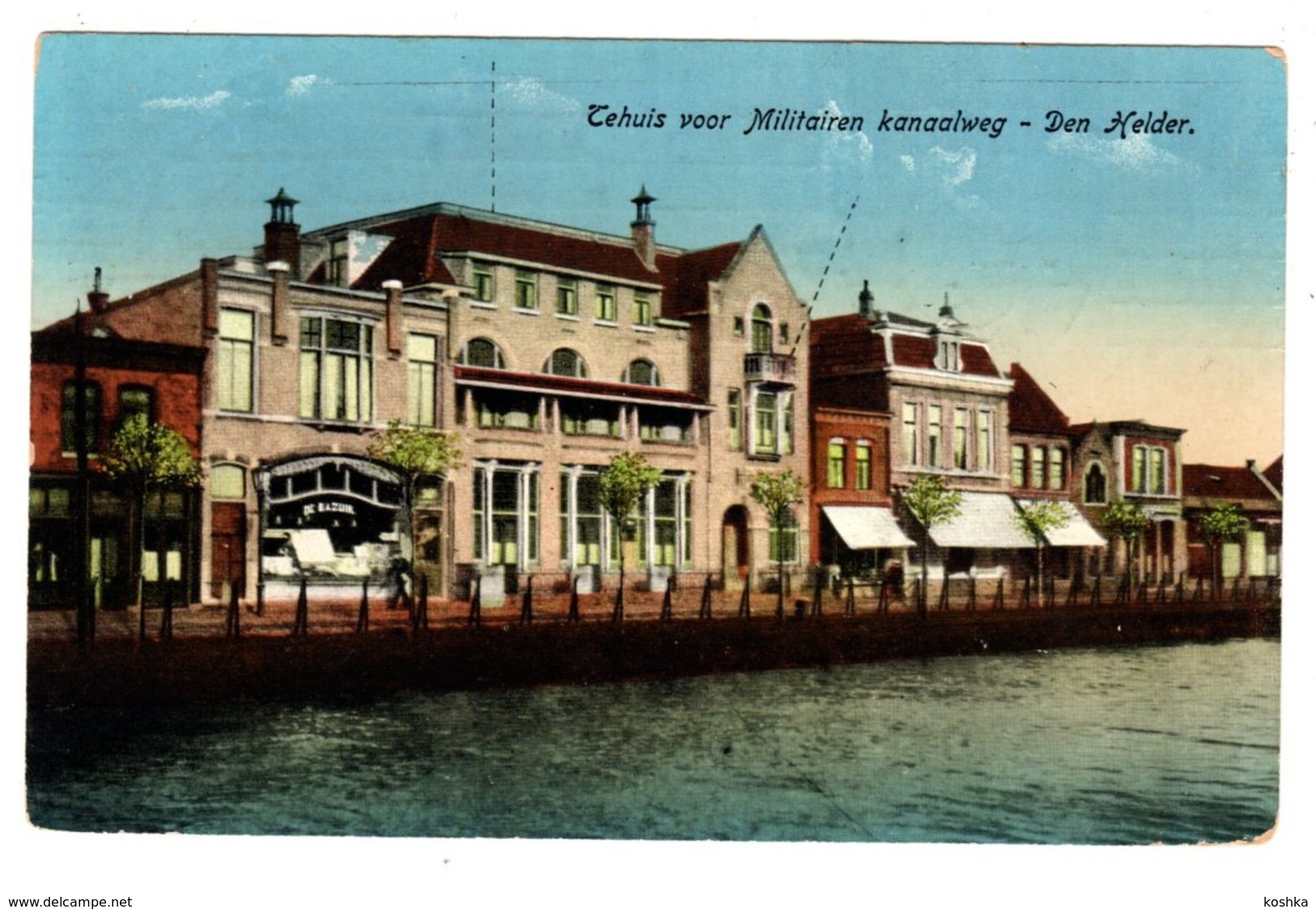
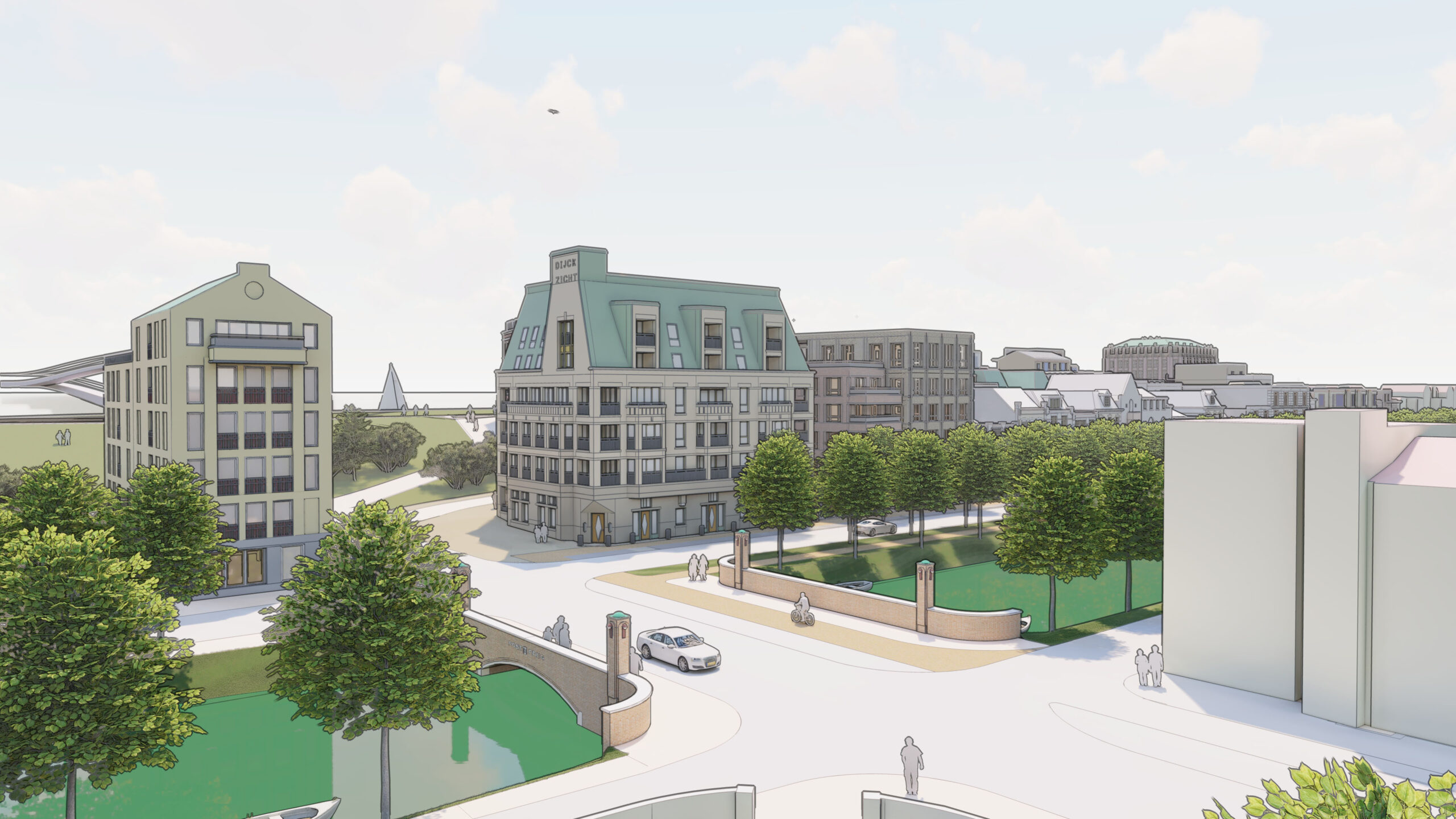
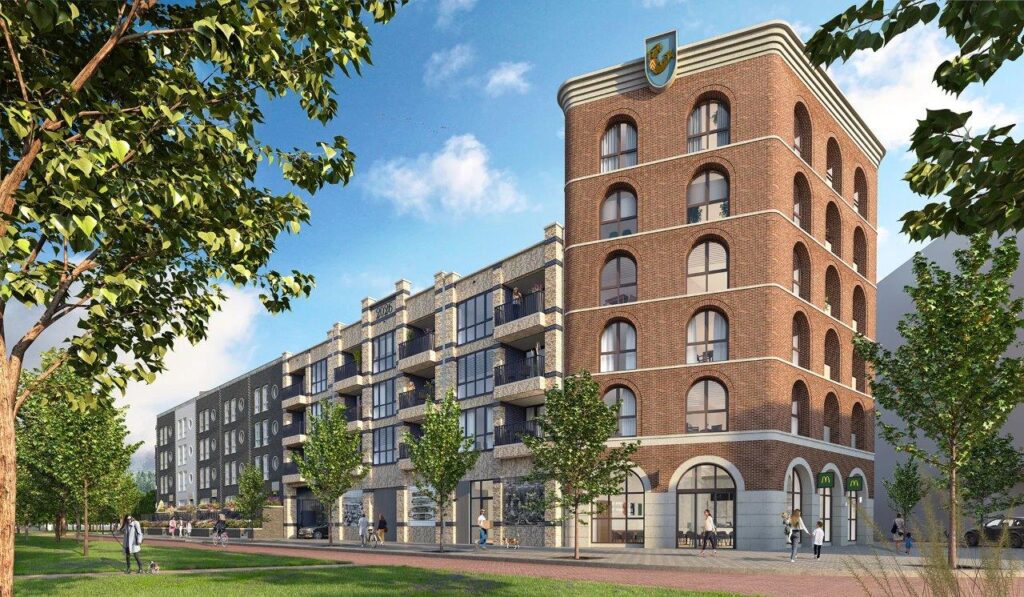
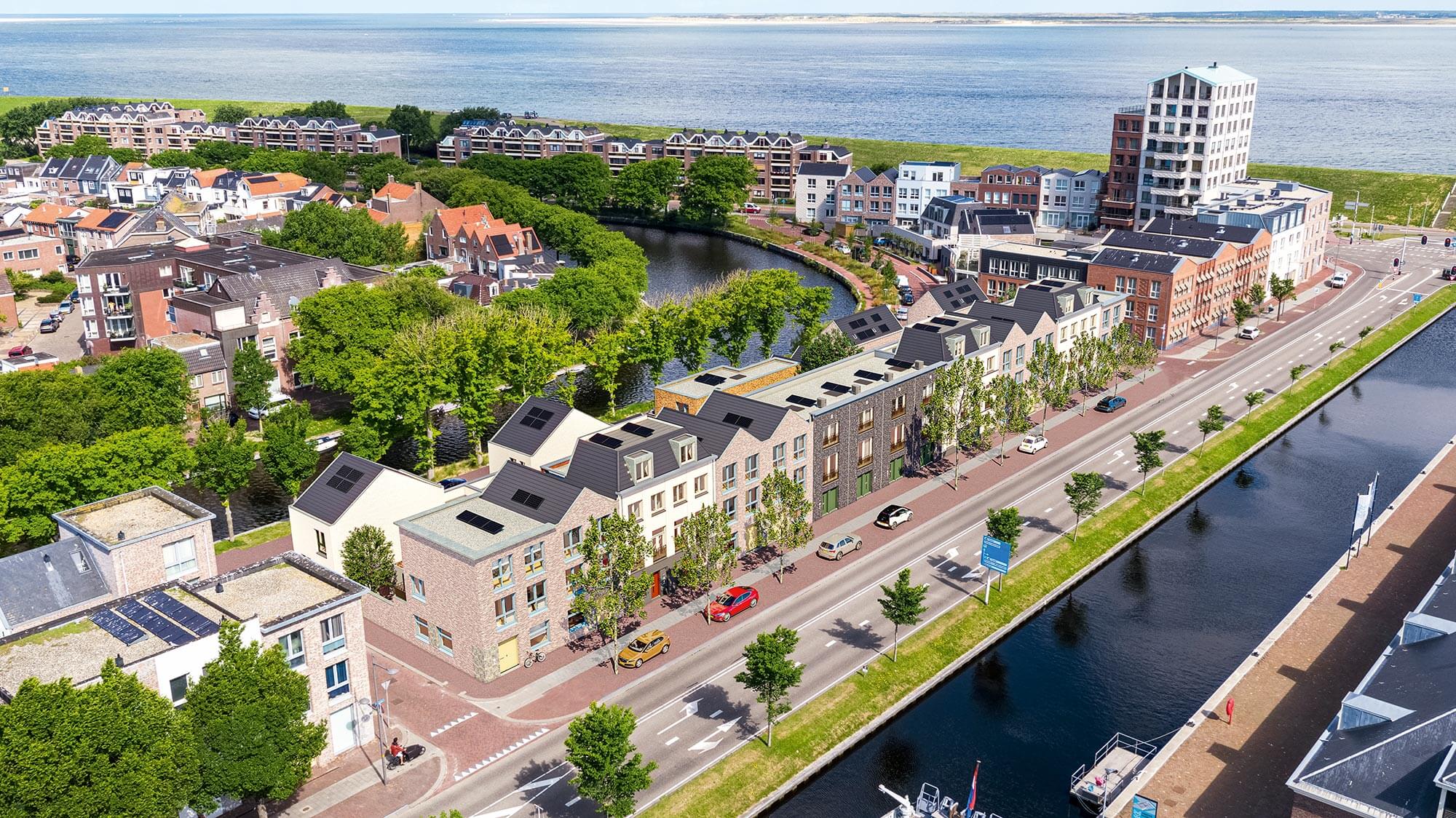
The Update Dijkkwartier (pages 4–11) further explains the design. Residents requested a lively neighborhood, good connections to the city, and respect for history. This is visible in the impressions: block-by-block architecture, variation in housing types, and differences in plot width and height, fitting in with the city center and the historic Kanaalweg.
Urban design elaboration and visual quality
West 8 developed the urban planning vision that focuses on a sustainable living environment with attention to livability, parking standards, and spatial quality. Phase 1 consists of a mix of single-family homes and apartments, supplemented with amenities in logical locations.
The vision rests on three pillars: connection between city and sea, the addition of an attractive living environment, and a climate-resilient dike for the next 200 years.
The Dijkkwartier extends the Stadshart and bridges the 10-meter elevation difference in a natural way. Development along the Kanaalweg enhances the quality and experience of the route, while housing on the dike adds new living environments. Meeting places are woven into the plan, contributing to an inclusive neighborhood.
The Update Dijkkwartier (pages 4–11) further explains the design. Residents requested a lively neighborhood, good connections to the city, and respect for history. This is visible in the impressions: block-by-block architecture, variation in housing types, and differences in plot width and height, fitting in with the city center and the historic Kanaalweg.
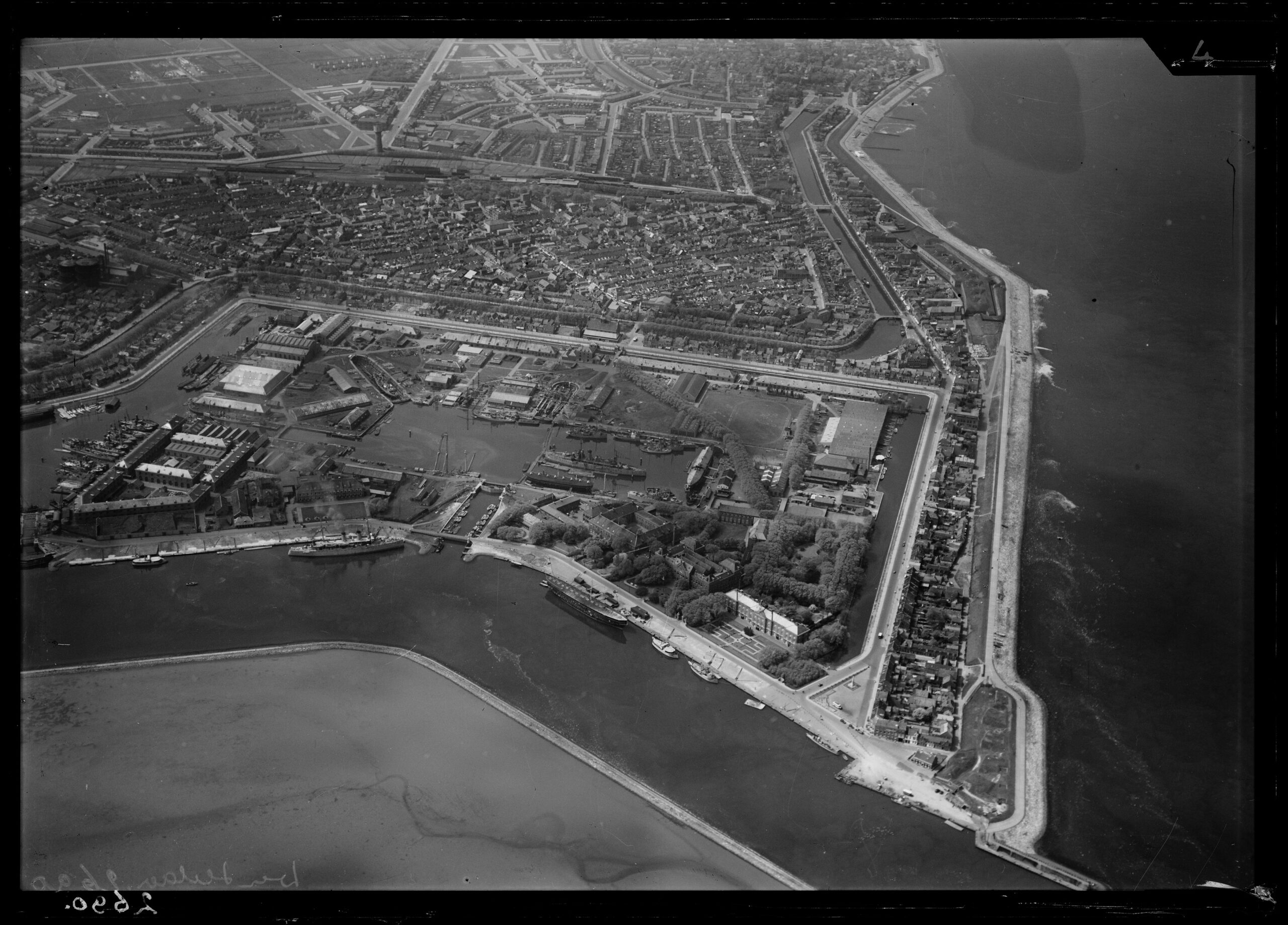
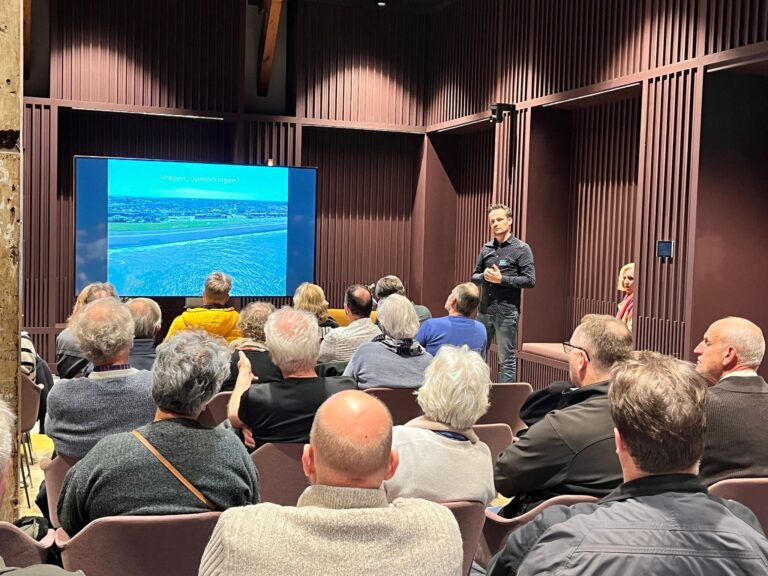
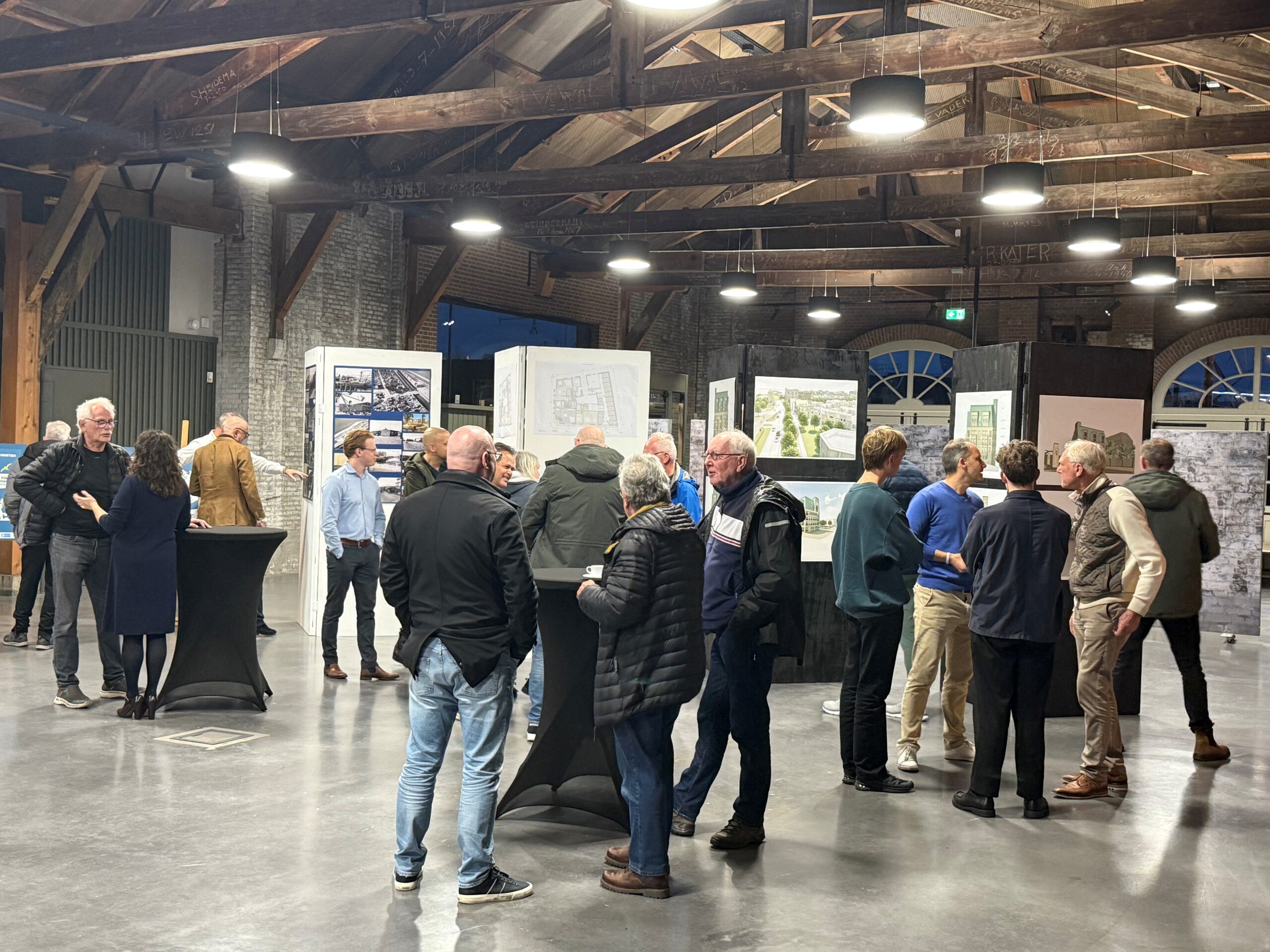
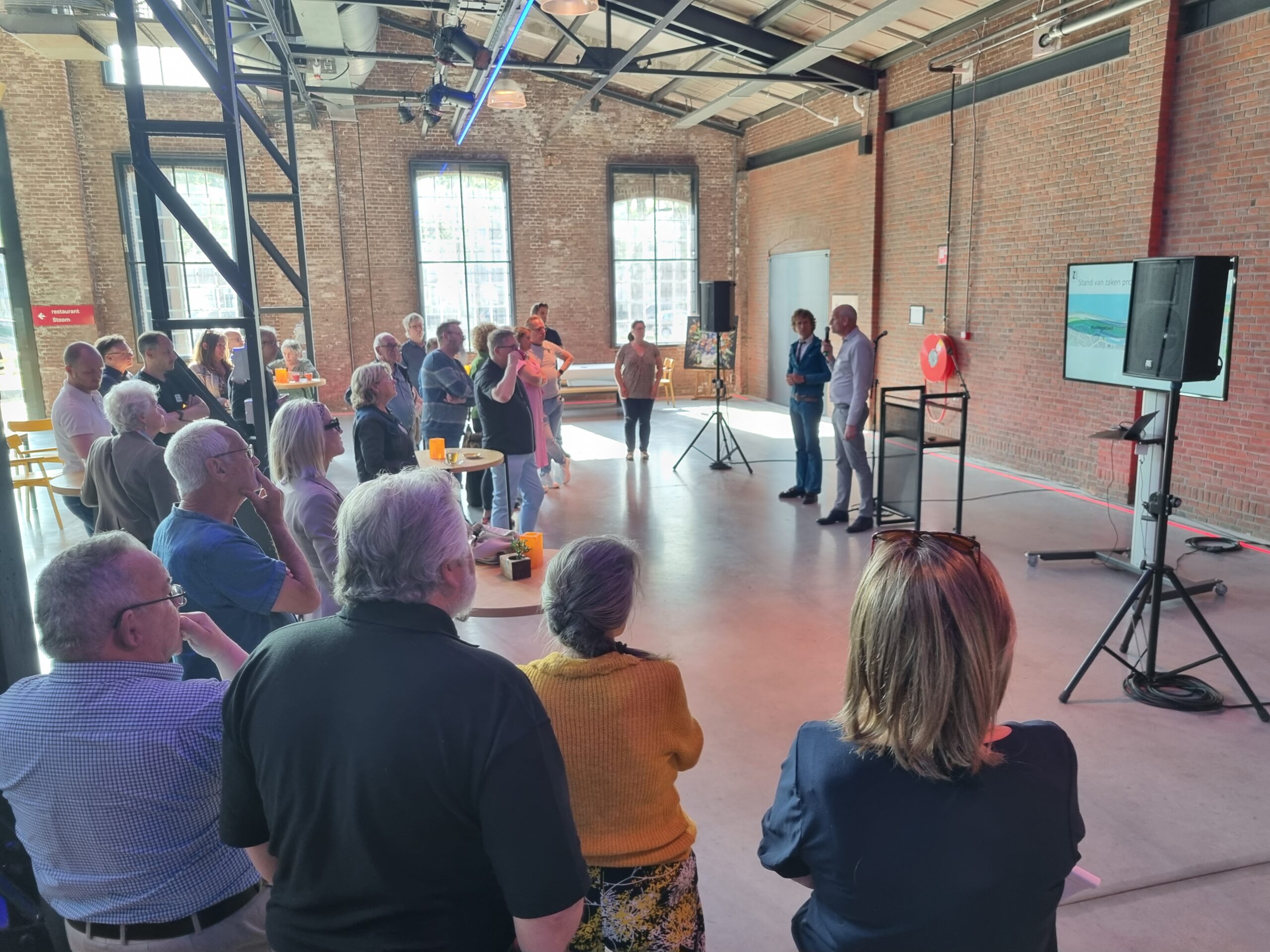
Together with the municipality, HHNK, and the Housing Foundation, Zeestad organized a new meeting regarding the progress of the Dijkkwartier. There was a great deal of interest. The architect Happel Cornelisse Verhoeven presented the first residential building, which was met with much enthusiasm. Visitors asked practical questions about living in the future Dijkkwartier and showed broad interest in the entire plan. There was ample opportunity for discussion.
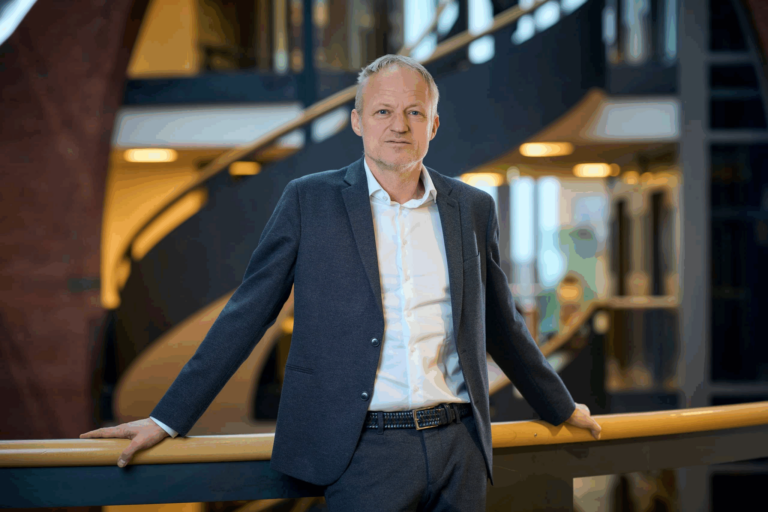
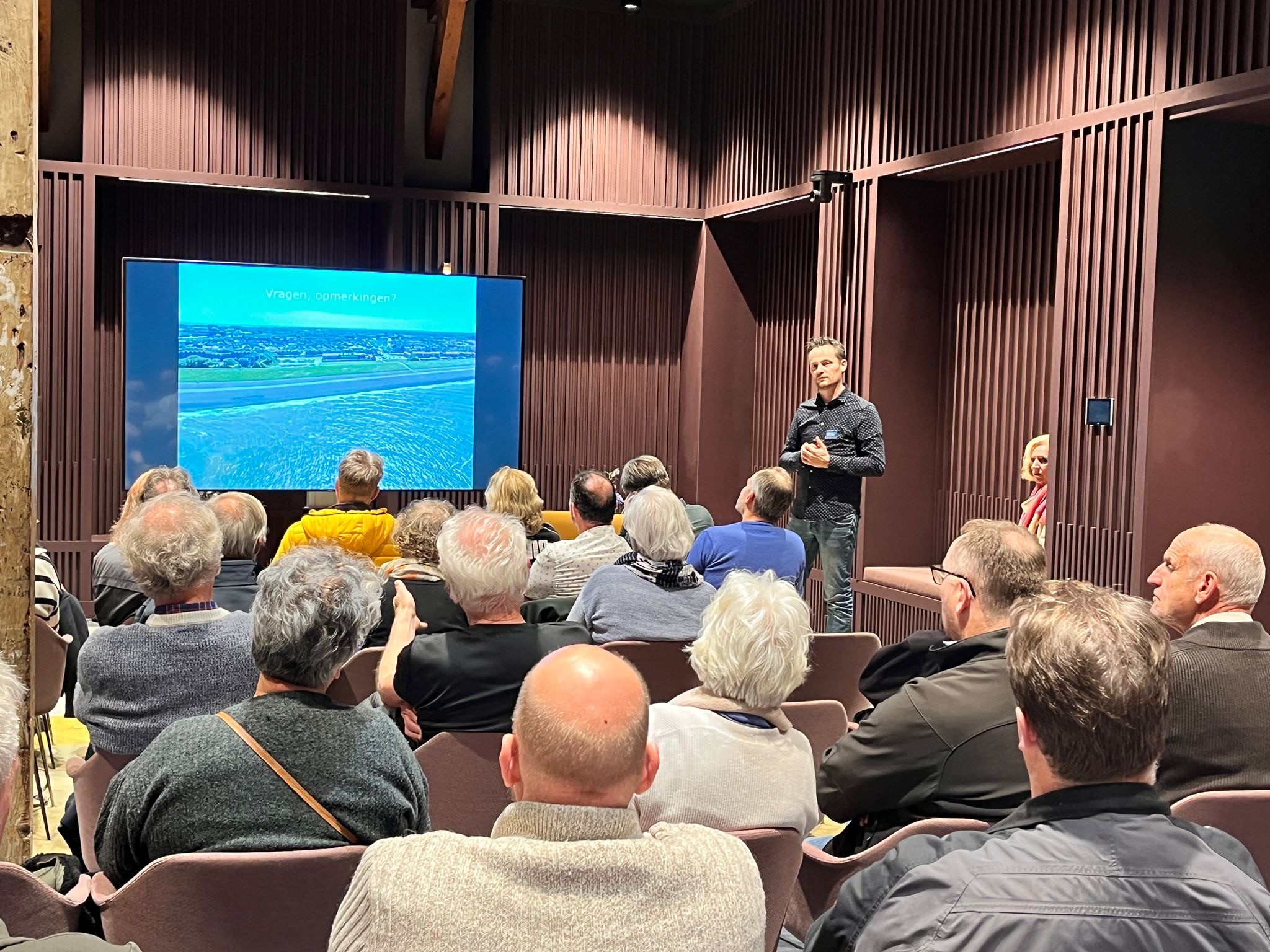
During the Dijkkwartier evening, dike reinforcement was the central theme this time. Before construction can begin, the dike must first be strengthened. Water safety advisor Erik Vastenburg (HHNK) gave a clear presentation on this in the wedding hall. In two sessions of 45 minutes each, with about 40 attendees, the technical details were explained in an accessible way. The attendees went home enthusiastic and enriched with new knowledge. Read here The review of the presentation.
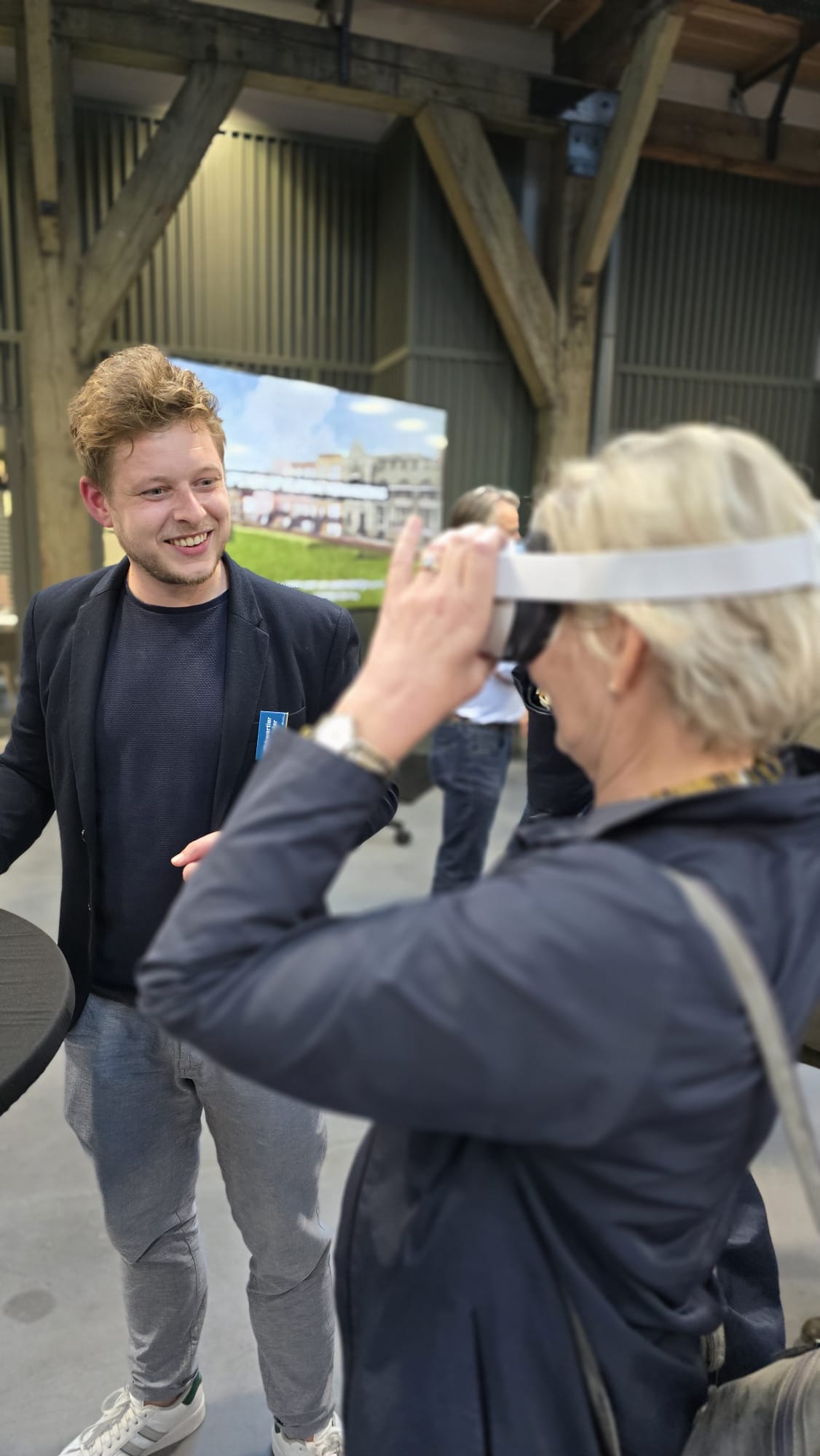
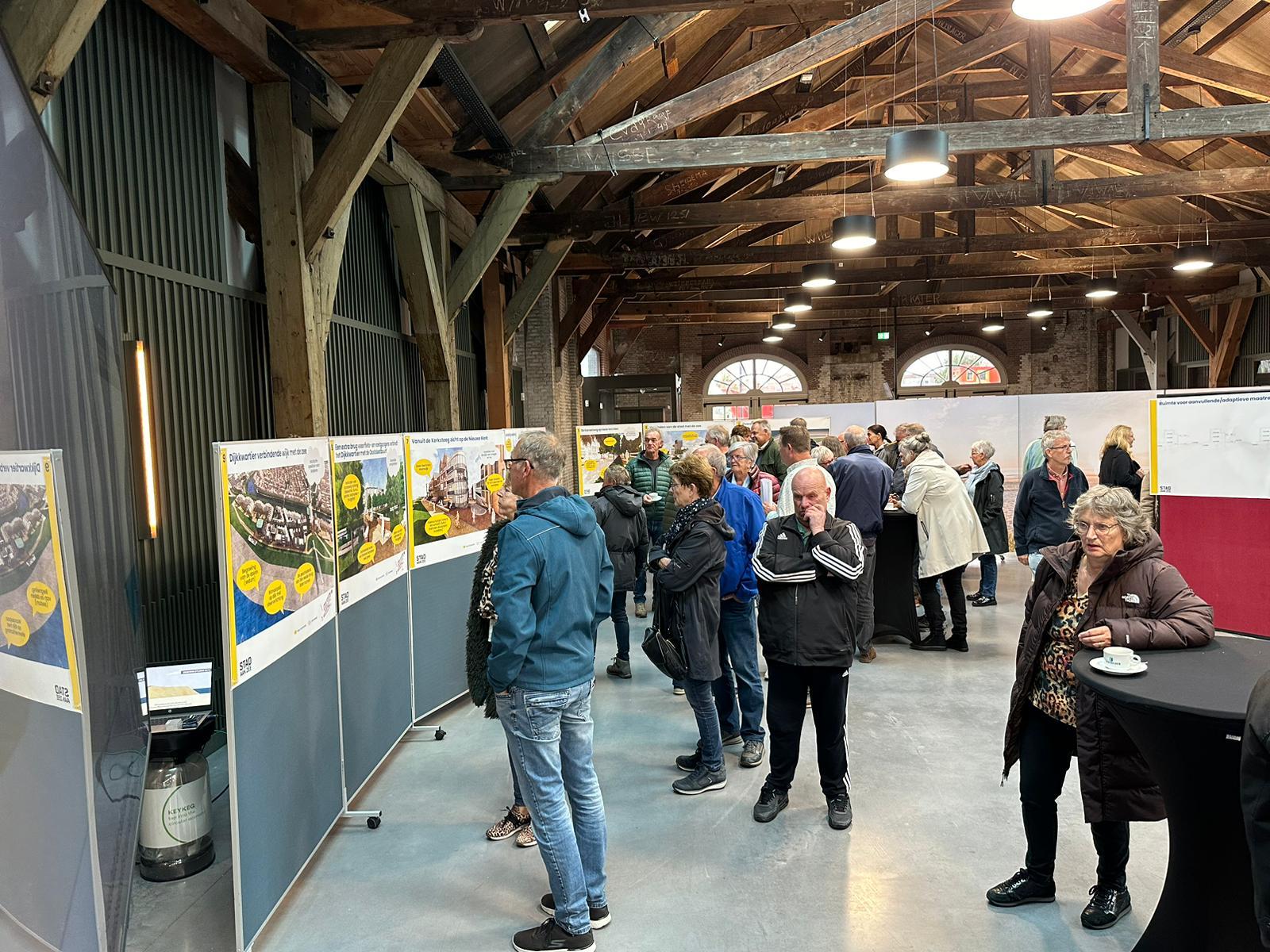
Together with the municipality, the Housing Foundation, and HHNK, Zeestad organized a walk-in meeting regarding the progress of the Dijkkwartier. Interested parties were updated and engaged in discussion about the project's progress. With new images of the urban district, the technology, and the approach to climate, a clear animation And by viewing the new neighborhood through VR glasses, visitors gained a good impression of the construction plan. Moreover, the city hall was a beautiful location for the meeting.
The intention is that in the coming months, the municipal council and the Supervisory Board of the Housing Foundation will decide whether or not to proceed with Dijkkwartier, followed by the Hollands Noorderkwartier Water Board in the first quarter of 2025. Zeestad organized a separate meeting for the directors of these organizations. All coalition parties in the municipal council and one opposition party received extensive information. Provincial Deputy Jelle Beemsterboer noted that, in his view, Dijkkwartier combines dike reinforcement with a valuable contribution to solving the housing shortage.
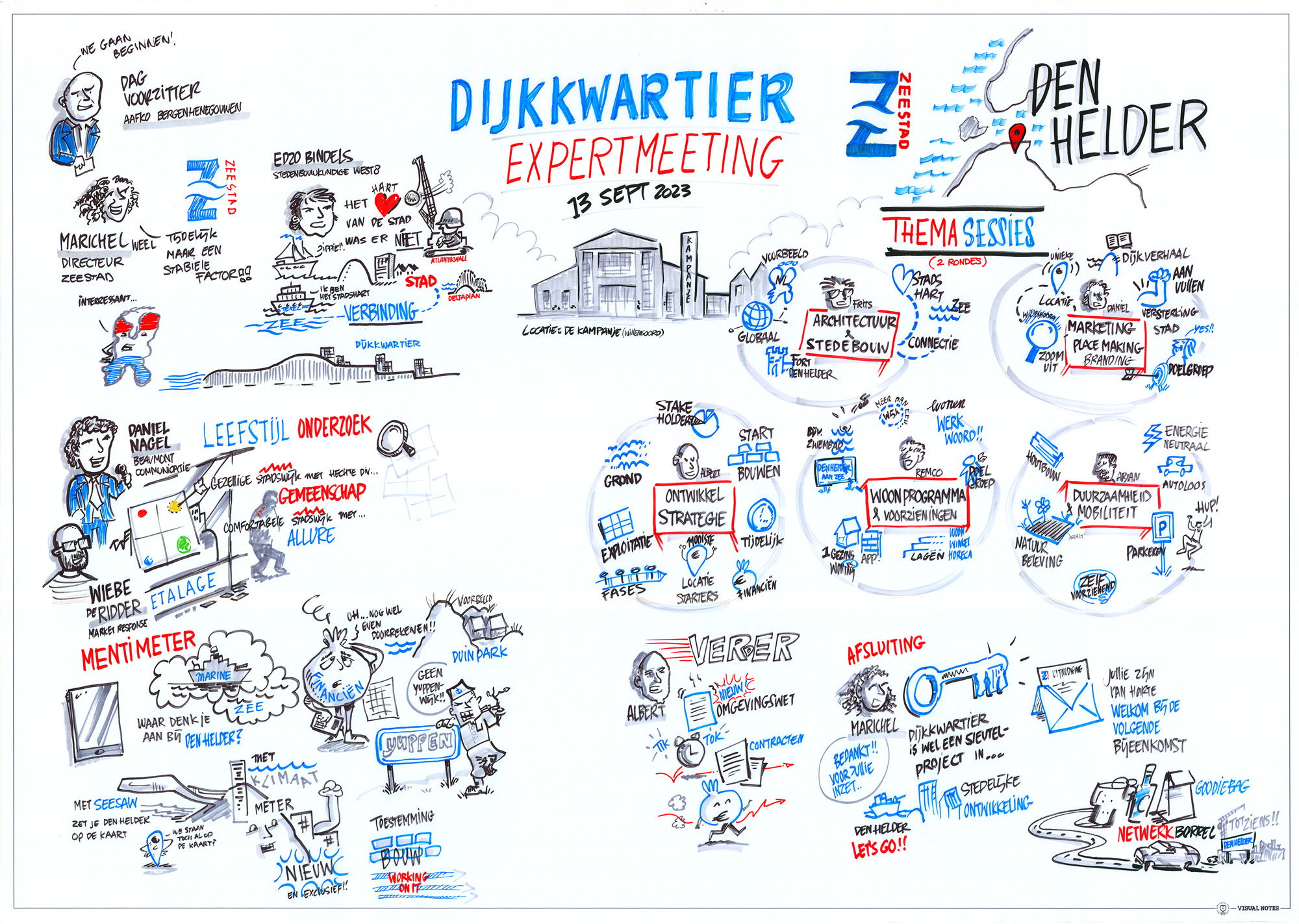
The unique character of the Dijkkwartier makes it interesting to hear how experts in the field view the plans for the Dijkkwartier from the perspective of their expertise. Therefore, in September, Zeestad asked a large group of experts and professionals to provide feedback on the various components of the plan. They discussed, among other things, the urban design, housing, experience, amenities, public space, planning, dike development, dike reinforcement, communication, and participation.
The expert meeting, chaired by Aafko Bergenhenegouwen, was organized once all studies had been completed. It marked the transition to the phase of drafting contracts and making financial agreements. It was a good moment to introduce the professional community to the project and to solicit feedback. Wytze Veenstra created an illustrated report of the meeting; see the image shown alongside.
For this Workshop, Zeestad has asked interested parties from Den Helder for input regarding the physical design of the Dijkkwartier project in relation to the surrounding area.
Residents from within and outside the project area have expressed their wishes and ideas in thematic sessions on: meeting places, sports & play, walking and strolling, facilities, atmosphere, and character.
The outcome is considered the 'harvest', to be used in the further development of the project. A breakdown has been made across the 5 themes into promising ideas for the urban planning components, with a top 5 for each component.
In the St. Peter and Paul Church, near the proposed new residential area, the advanced plans were explained by representatives of the parties involved, as well as representatives of West8 and engineering firm Sweco. There was an opportunity to get a better idea of the plans on the dike itself using information boards. There was also the possibility to take a look into the future using VR glasses. Among those interested, there was a great deal of interest in signing up for a spot on the waiting list. Visitors were also given the opportunity to sign up for the advisory group and subscribe to the newsletter.
In an informal meeting for the municipal council, the Board of High Landowners (CHI, the general board) of the HHNK, and the Supervisory Board of Helder Vastgoed, attendees were updated on the status of the dike reinforcement and area development on the dike at Kanaalweg in Den Helder.
Introduction of the plans for the Dijkkwartier for interested parties at the Kampanje. Representatives from the municipality Den Helder, Housing Foundation, Water Board, WEst8, and Zeestad presented the plans for the new residential area on a reinforced dike and were available to answer questions.
Together with the municipality, HHNK, and the Housing Foundation, Zeestad organized a new meeting regarding the progress of the Dijkkwartier. There was a great deal of interest. The architect Happel Cornelisse Verhoeven presented the first residential building, which was met with much enthusiasm. Visitors asked practical questions about living in the future Dijkkwartier and showed broad interest in the entire plan. There was ample opportunity for discussion.
During the Dijkkwartier evening, dike reinforcement was the central theme this time. Before construction can begin, the dike must first be strengthened. Water safety advisor Erik Vastenburg (HHNK) gave a clear presentation on this in the wedding hall. In two sessions of 45 minutes each, with about 40 attendees, the technical details were explained in an accessible way. The attendees went home enthusiastic and enriched with new knowledge. Read here The review of the presentation.
Together with the municipality, the Housing Foundation, and HHNK, Zeestad organized a walk-in meeting regarding the progress of the Dijkkwartier. Interested parties were updated and engaged in discussion about the project's progress. With new images of the urban district, the technology, and the approach to climate, a clear animation And by viewing the new neighborhood through VR glasses, visitors gained a good impression of the construction plan. Moreover, the city hall was a beautiful location for the meeting.
The intention is that in the coming months, the municipal council and the Supervisory Board of the Housing Foundation will decide whether or not to proceed with Dijkkwartier, followed by the Hollands Noorderkwartier Water Board in the first quarter of 2025. Zeestad organized a separate meeting for the directors of these organizations. All coalition parties in the municipal council and one opposition party received extensive information. Provincial Deputy Jelle Beemsterboer noted that, in his view, Dijkkwartier combines dike reinforcement with a valuable contribution to solving the housing shortage.
The unique character of the Dijkkwartier makes it interesting to hear how experts in the field view the plans for the Dijkkwartier from the perspective of their expertise. Therefore, in September, Zeestad asked a large group of experts and professionals to provide feedback on the various components of the plan. They discussed, among other things, the urban design, housing, experience, amenities, public space, planning, dike development, dike reinforcement, communication, and participation.
The expert meeting, chaired by Aafko Bergenhenegouwen, was organized once all studies had been completed. It marked the transition to the phase of drafting contracts and making financial agreements. It was a good moment to introduce the professional community to the project and to solicit feedback. Wytze Veenstra created an illustrated report of the meeting; see the image shown alongside.
For this Workshop, Zeestad has asked interested parties from Den Helder for input regarding the physical design of the Dijkkwartier project in relation to the surrounding area.
Residents from within and outside the project area have expressed their wishes and ideas in thematic sessions on: meeting places, sports & play, walking and strolling, facilities, atmosphere, and character.
The outcome is considered the 'harvest', to be used in the further development of the project. A breakdown has been made across the 5 themes into promising ideas for the urban planning components, with a top 5 for each component.
In the St. Peter and Paul Church, near the proposed new residential area, the advanced plans were explained by representatives of the parties involved, as well as representatives of West8 and engineering firm Sweco. There was an opportunity to get a better idea of the plans on the dike itself using information boards. There was also the possibility to take a look into the future using VR glasses. Among those interested, there was a great deal of interest in signing up for a spot on the waiting list. Visitors were also given the opportunity to sign up for the advisory group and subscribe to the newsletter.
In an informal meeting for the municipal council, the Board of High Landowners (CHI, the general board) of the HHNK, and the Supervisory Board of Helder Vastgoed, attendees were updated on the status of the dike reinforcement and area development on the dike at Kanaalweg in Den Helder.
Introduction of the plans for the Dijkkwartier for interested parties at the Kampanje. Representatives from the municipality Den Helder, Housing Foundation, Water Board, WEst8, and Zeestad presented the plans for the new residential area on a reinforced dike and were available to answer questions.
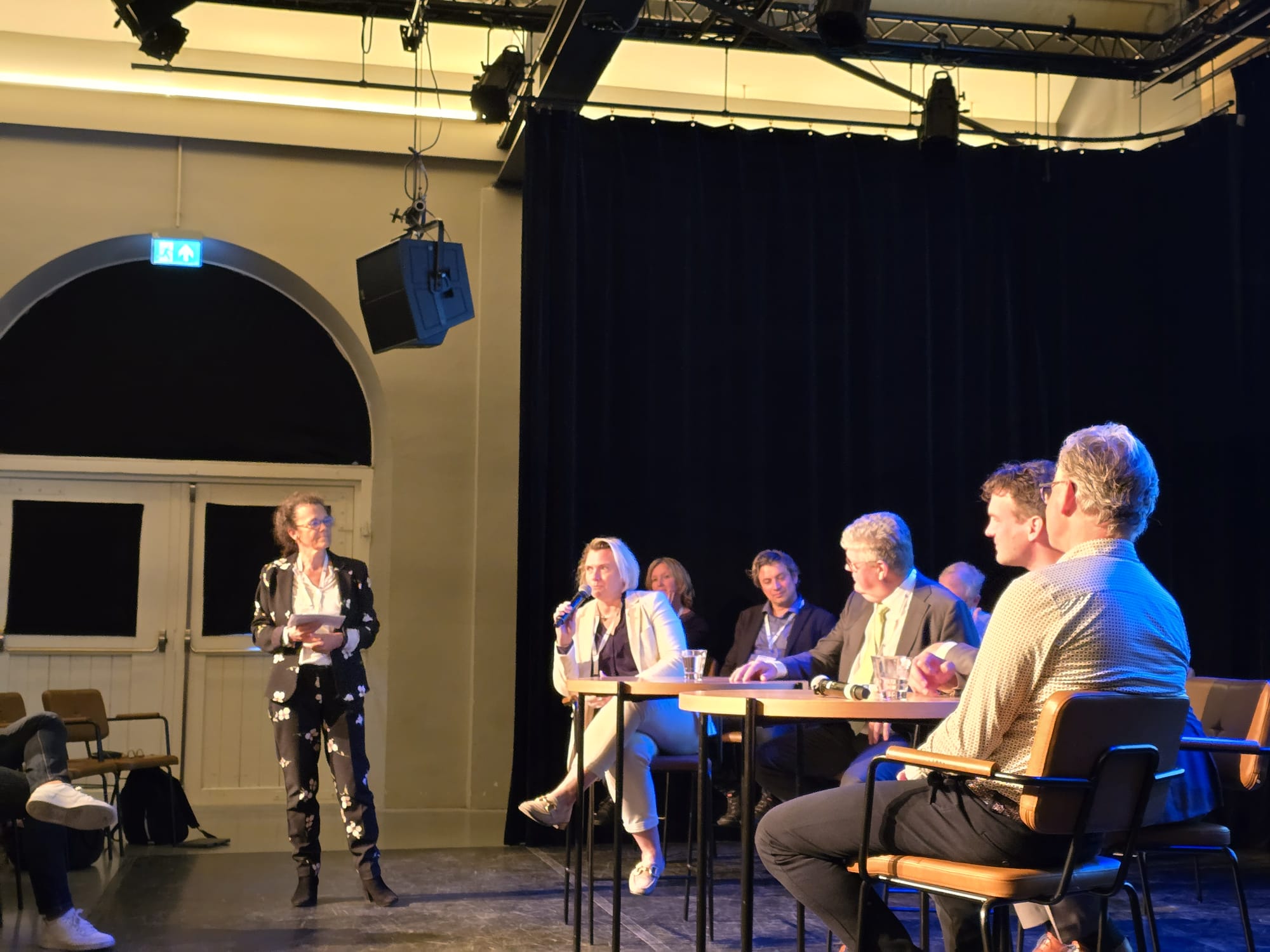
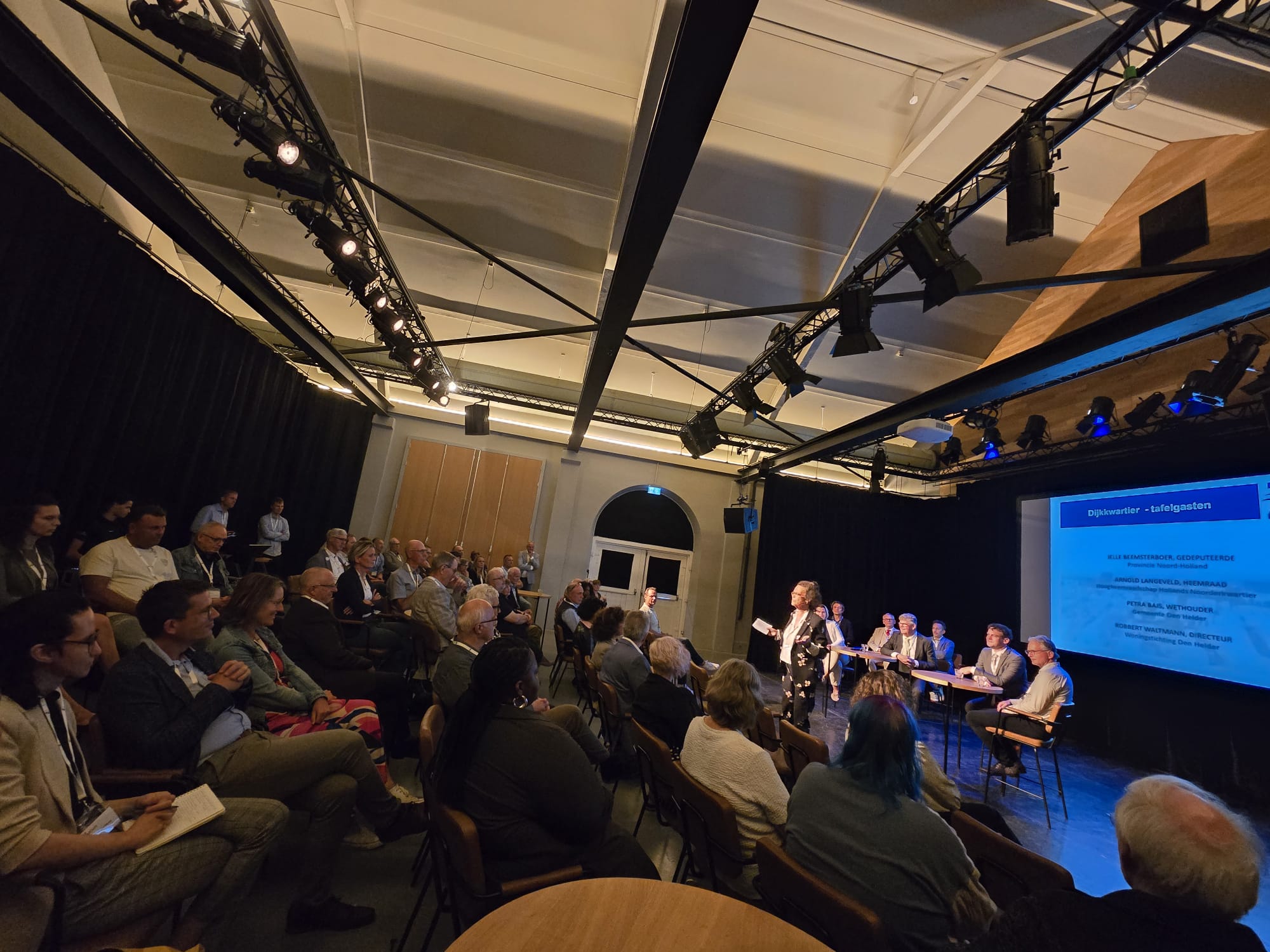
The CHI (the General Board) has determined that the technical, legal, and financial feasibility of the Dijkkwartier project has been demonstrated to such an extent, or secured in the further process, that HHNK can cooperate in the next phase: establishing cooperation agreements and preparing a project decision for the Dike Reinforcement.
You can find the decision here:
The municipal council has decided to adopt the Dijkkwartier Development Plan, the Dijkkwartier Urban Planning and Technology Program of Requirements 2024, and the financial contribution.
You can find the meeting documents here. https://gemeenteraad.denhelder.nl/Vergaderingen/Gemeenteraad/2024/25-november/19:30
The Supervisory Board of the Housing Foundation has decided positively regarding continued participation in the Dijkkwartier and investing in it.
In principle, the dike does not need to be reinforced at this time. The dike was recently assessed and currently meets safety standards. In the long term, however, the dike will need to be reinforced, and space would have to be reserved now for this purpose—for the widening of the dike and the associated works. As a result, there is less space available for housing construction. By reinforcing the dike now and ensuring it is future-proof, homes can be built on and alongside the dike. That is why the dike is being addressed now, so that it remains safe in the distant future as well.
Yes, the dike was recently assessed in the national evaluation program that takes place every twelve years. This shows that the dike is currently safe. However, because sea levels will rise in the future, the dike in its current form will eventually no longer meet all requirements. By adding extra soil against and partly on top of the dike, it becomes not only stronger but also wider. The gentle slope provides space for new homes. After the reinforcement, the dike will be safe again for the next 200 years, even with a sea level rise of 3.5 meters. And should sea levels rise even further, adjustments are still possible to keep the dike safe.
Yes, it is technically possible to build homes on the dike. HHNK is responsible for water safety and monitors whether the hinterland remains safe after the dike reinforcement and housing construction, including in the event of sea level rise. Research into stability, overtopping, spillage, etc., is being conducted jointly and with the assistance of engineering firm Sweco. Investigations have been carried out to determine the requirements the dike must meet to ensure water safety for the next 200 years. The dike was subsequently designed and tested against future loads (caused by, among other things, sea level rise).
The aim is certainly to eventually reinforce a larger section of the dike. However, we are deliberately starting with a smaller section so that the project remains feasible – for example, in terms of costs, the housing market, and demand for housing. It may turn out later that only the section of the dike in Phase 1 will be addressed, if further expansion is not necessary or feasible. Since the dike further along is also safe for the time being, this is not a problem. This way, we keep the project realistic and responsible.
The Dijkkwartier will feature both rental and owner-occupied homes in various price ranges. There is also room for social housing, ensuring it becomes a neighborhood for a broad group of people – from first-time buyers to families and seniors.
That is still difficult to say precisely. The schedule depends on various steps such as permits, decision-making, and the relocation of current residents. We aim to start construction of the first residential block on the parking lot opposite the Postbrug at the end of 2026 / beginning of 2027. This development is not dependent on the earthworks for the dike reinforcement. The works will, of course, be coordinated.
In the first phase of the project, over 250 new homes will be realized. Due to the demolition of existing buildings, a net total of over 200 additional homes will become available on the housing market.
In addition to housing, the possibility of adding amenities to the Dijkkwartier is also being explored. Examples include small shops, (small-scale) hospitality venues, or social functions such as a daycare center or a physiotherapy practice. Regarding the design of the public space, the initiators will engage in dialogue with residents of Den Helder to ensure it becomes a neighborhood that truly fits the city.
Yes, that remains perfectly possible. Nothing changes on the seaside – so you can continue to enjoy a walk or bike ride along the dike in the future as well.
On the seaside, everything remains as it is – the view there does not change. On the Kanaalweg side, however, new open sightlines are being created towards monuments and the city. From the city, you will soon look out onto a lively new neighborhood that blends in beautifully with the surroundings.
The dike reinforcement is being applied to the inner side of the dike, bringing the base of the dike approximately 20 meters closer to the Kanaalweg. The urban development plan envisages a road, the Zeeweg, which bridges the difference in elevation from the Kanaalweg to the crest of the dike. The gradient is a maximum of 41T10T to ensure the road is suitable for people with disabilities, cyclists, walkers with strollers, etc.
Parking will simply take place within the Dijkkwartier itself. Exactly what that will look like is still being investigated. The goal is to arrange parking properly, in keeping with the neighborhood and the surrounding area.
This is being thoroughly investigated. One of the studies within the project focuses on mobility – both in the Dijkkwartier and in the surrounding neighborhoods. This involves examining the number of cars and cyclists, both now and in the future. Walking routes and the possibilities for shared cars are also being looked at, so that traffic remains well-organized and the neighborhood remains easily accessible.
No, you do not need to move now. The study area primarily demonstrates the ambition for the future. The focus is currently on phase 1 of the project. The areas included in the study are not expected to be addressed for another 10 to 15 years – and it is still being thoroughly investigated whether that is feasible.
That depends on exactly where you live. Do you live in a rental property owned by Woningstichting Den Helder? Then the housing association will contact you directly. Are you the owner of the property? Then you will be contacted in due time to look at your situation and future together.
Also read the following questions.
Do you have any other questions? Please feel free to contact Zeestad via info@zeestad.nl or Woningstichting Den Helder via www.woningstichtingdenhelder.nl/over-ons/contact-route/contact
We consider it important to inform residents in a timely manner and actively involve them in the project. Therefore, we share the plans and developments with them as early as possible. A sounding board group has been established for residents and neighbors of Phase 1 and the East study area. In this group, we discuss, among other things, the impact of the dike reinforcement and the construction.
Yes, Woningstichting Den Helder contacts every tenant in a timely manner to look for suitable accommodation together. So you don't have to do it alone.
If your home ever has to make way for new construction, a market-based price will be offered. That value is determined at that time, based on the current housing market.
The first phase covers the area from the parking lot at the Postbrug, including the current apartments, to the existing buildings on the east side along the Kanaalweg. Dike reinforcement will also be started first in this section.
The three initiators — the municipality, Den Helder, the Hollands Noorderkwartier Water Board (HHNK), and the Housing Foundation — have each separately agreed to the current plan for the first phase of the Dijkkwartier over the past year. For Zeestad, the municipality, HHNK, and the Housing Foundation, this forms the basis to proceed with the development of this phase.
The next step in the decision-making lies with:
For the first building, '1a', located by the car park near the Postbrug, Housing Foundation Den Helder (WSDH) organized an architect selection in May. The jury — consisting of WSDH, West8, the municipality, and Zeestad — unanimously selected the design by architectural firm Happel Cornelissen Verhoeven. The architect presented the first residential building during the information meeting on Tuesday, November 4. Following this evening, Housing Foundation Den Helder further developed the design for the first residential building and started the permit procedure. Construction is scheduled for early 2027.
The Post Office
Molenplein phase 2
Dike Quarter
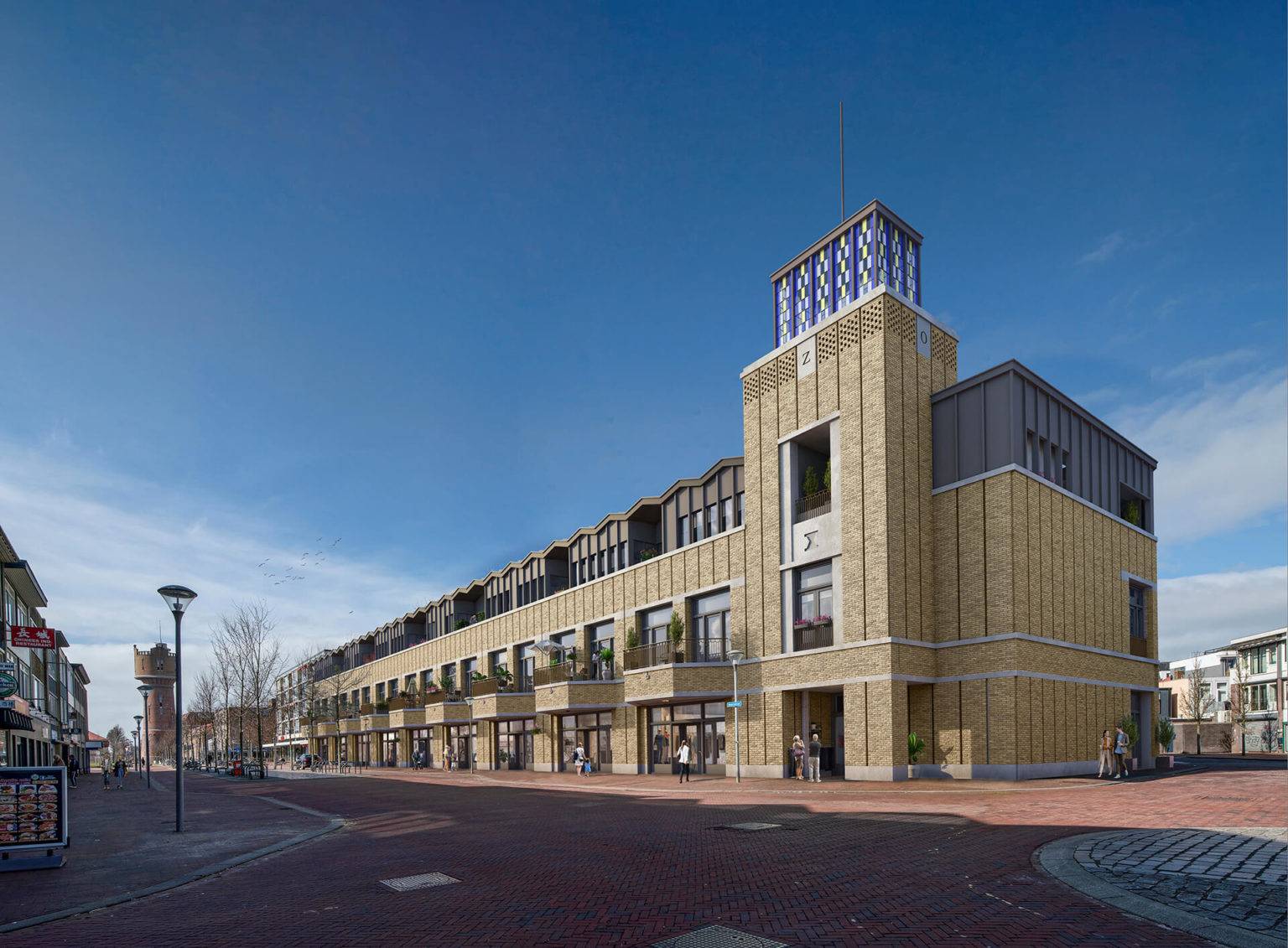
The Department Store
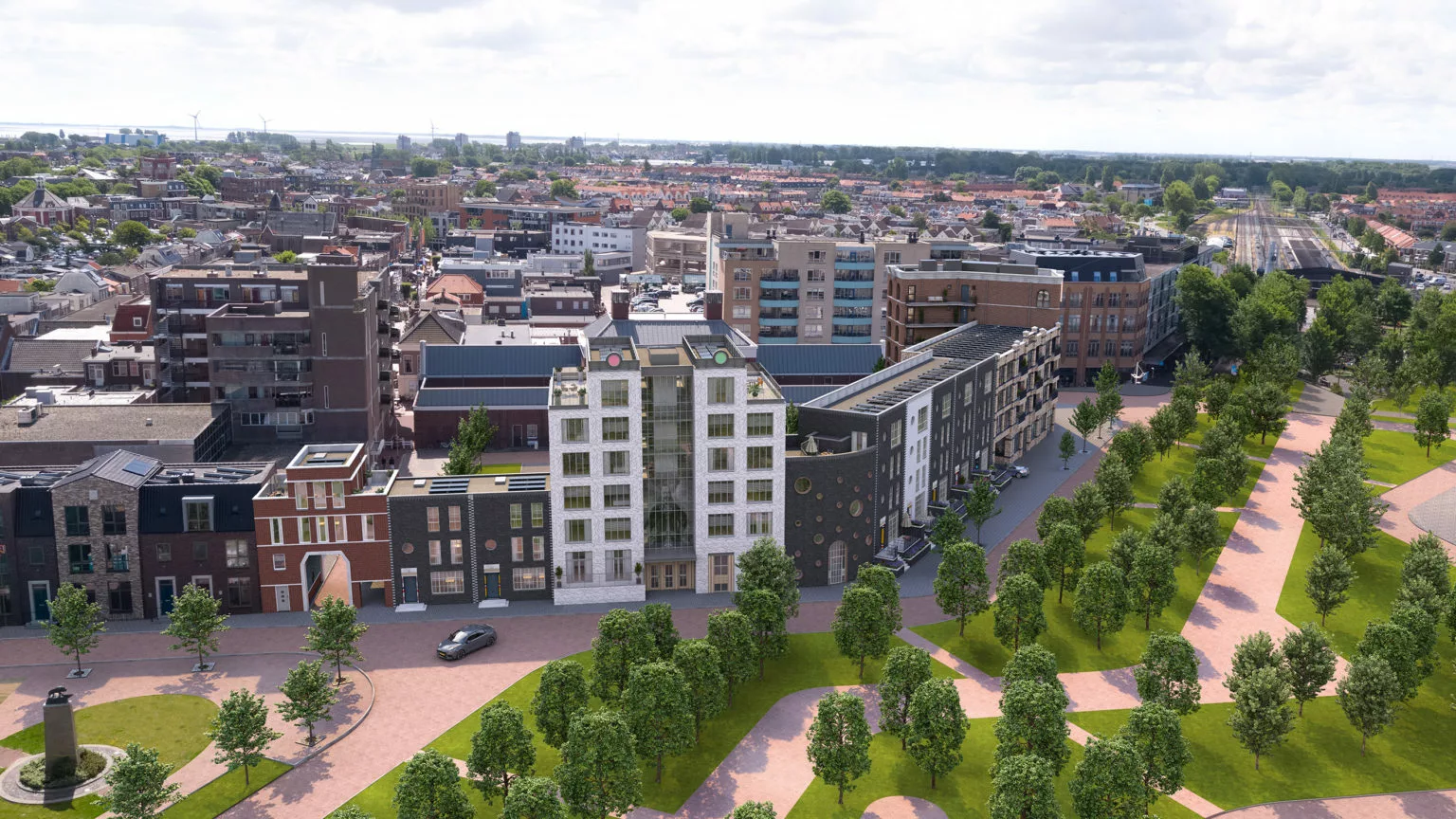
The Admiral
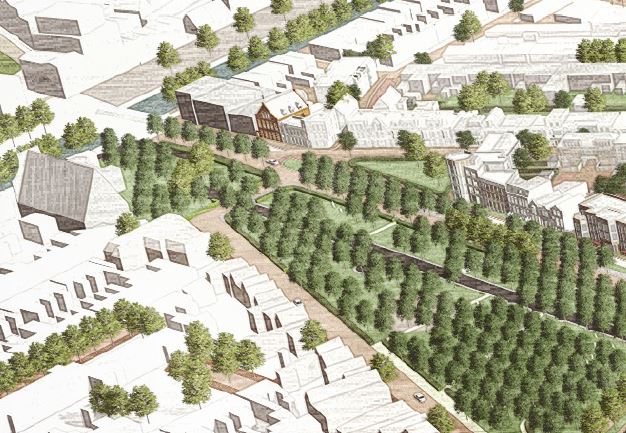
Eastlootstraat West
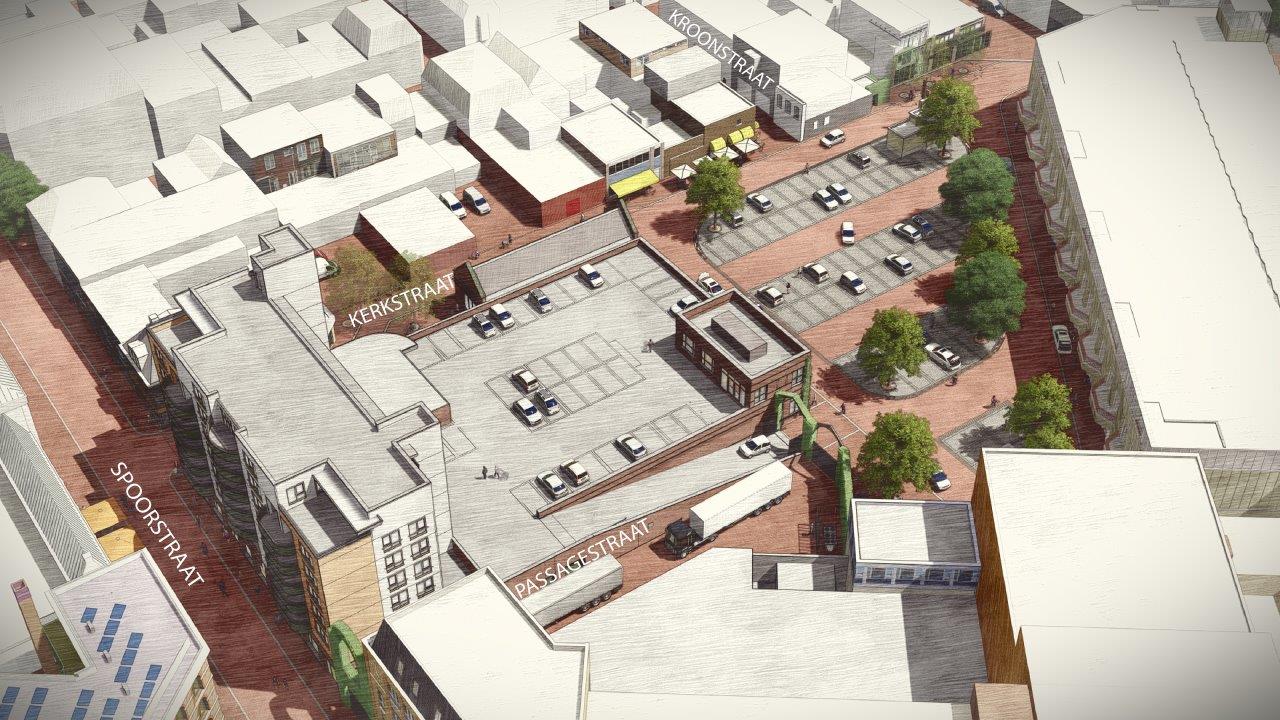
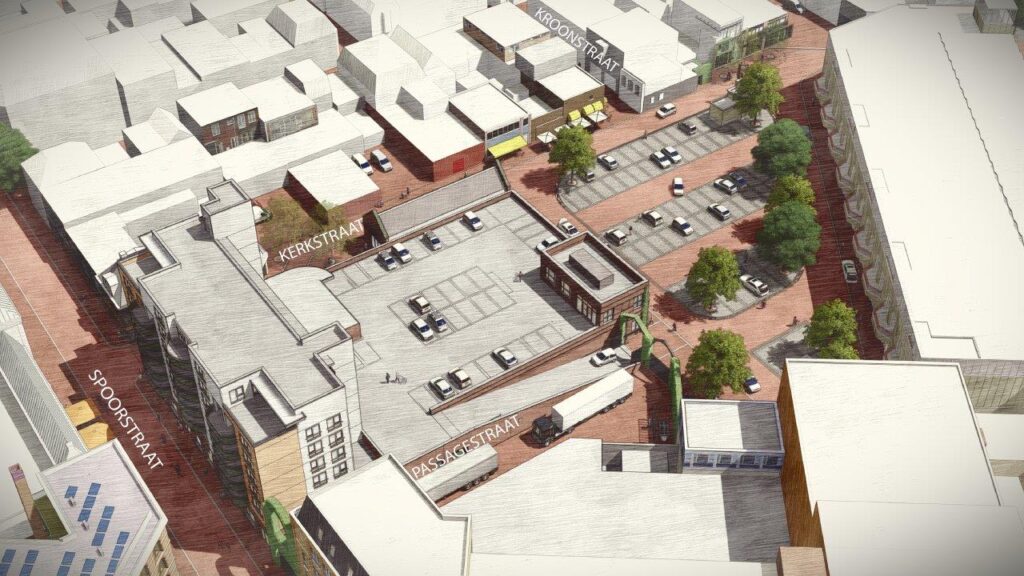
Redevelopment of Kroonpassage
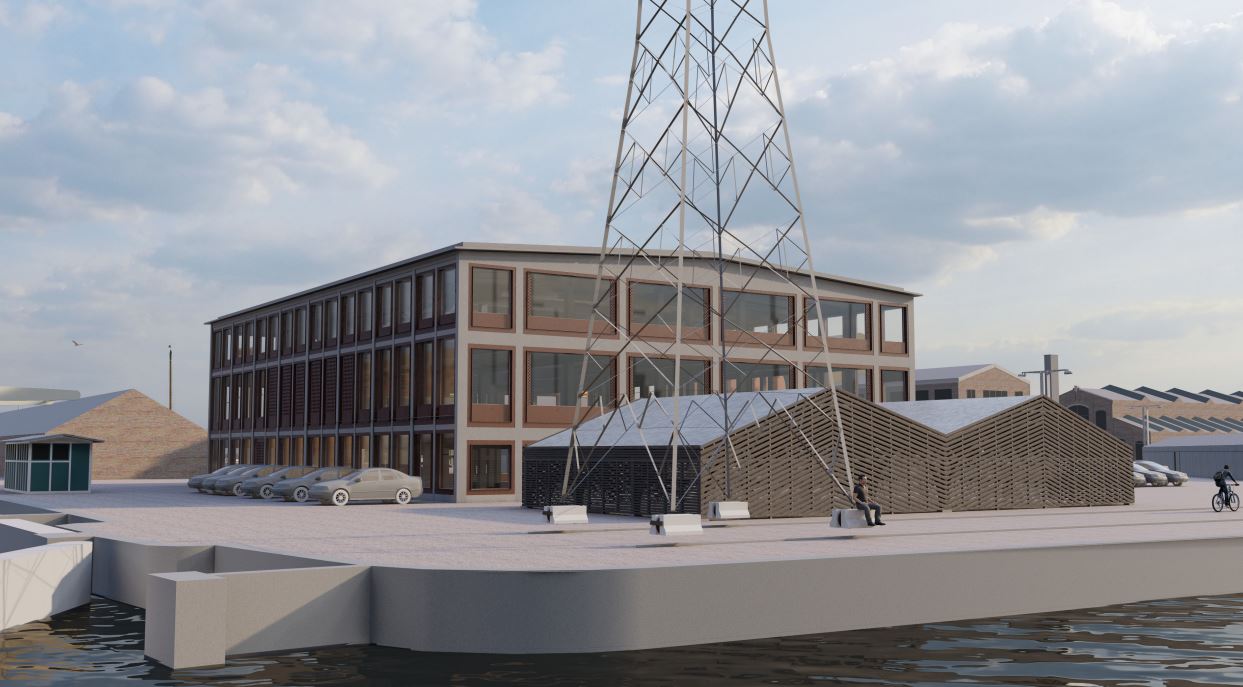
Build Bicycle Shed
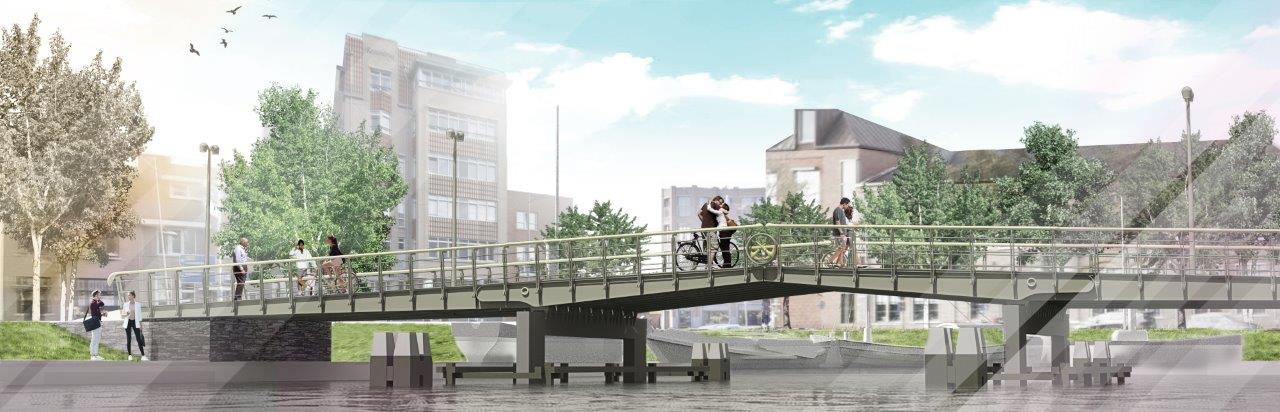
Bicycle and pedestrian bridge
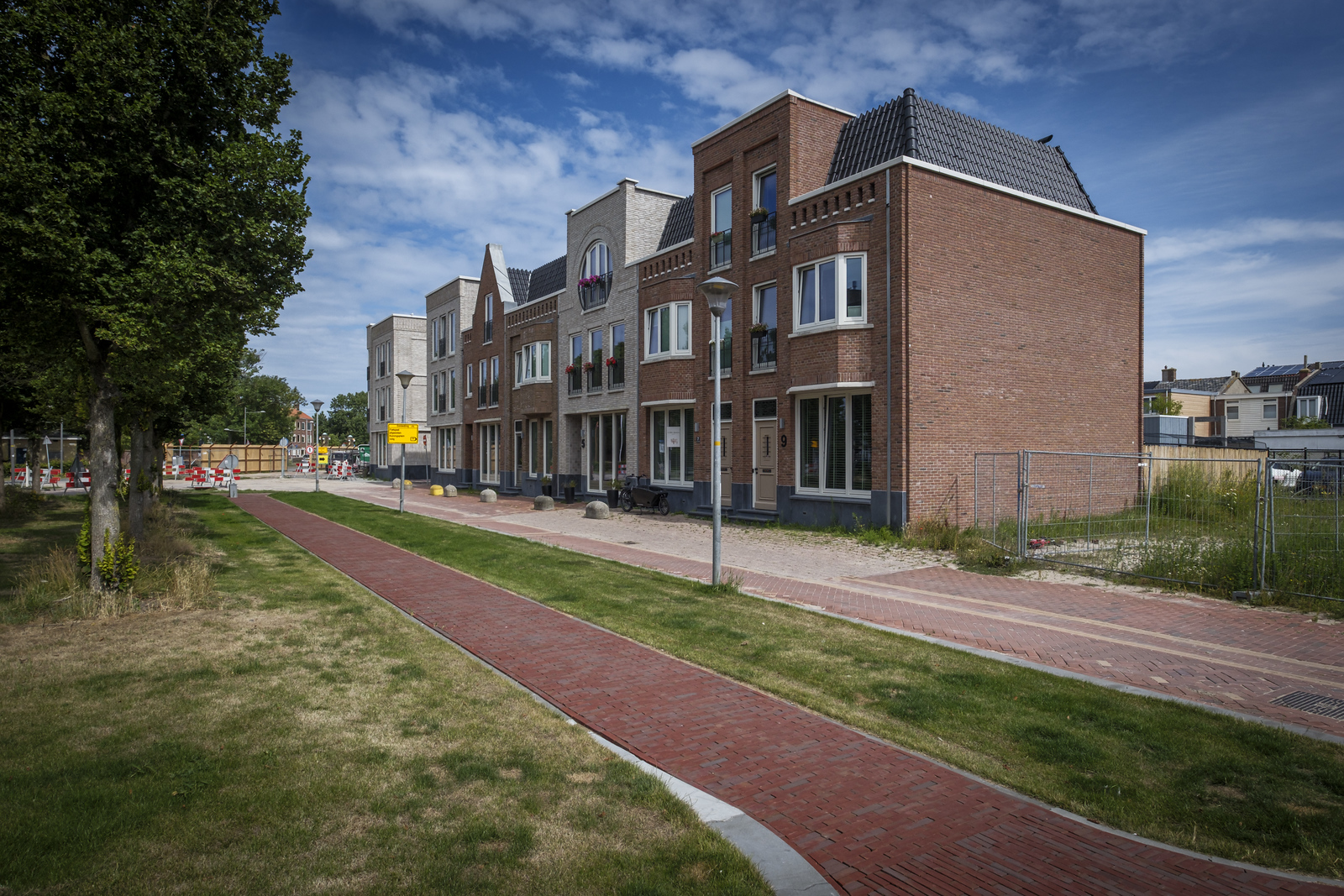
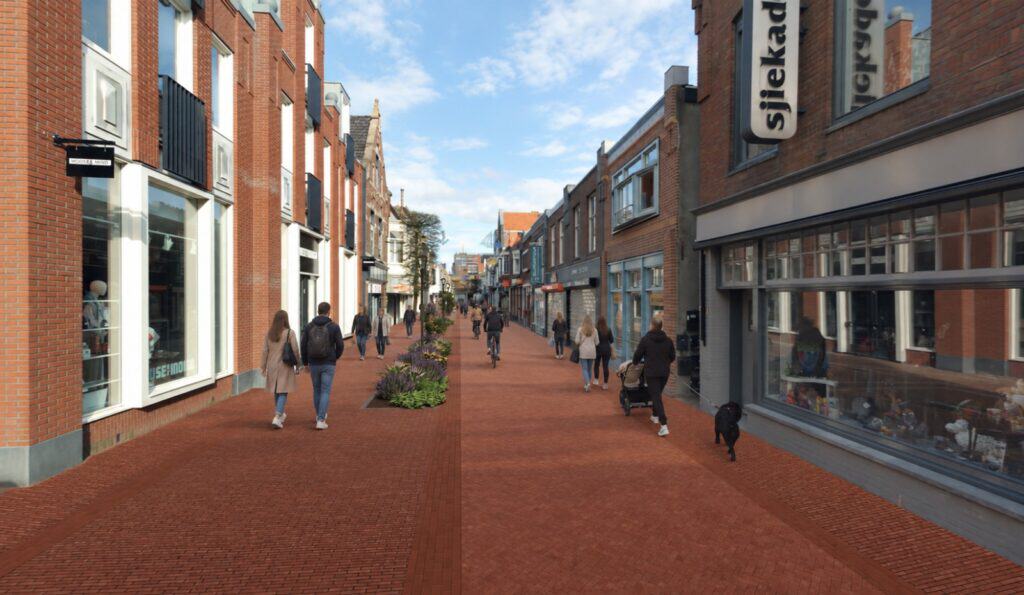
Redevelopment of Koningstraat
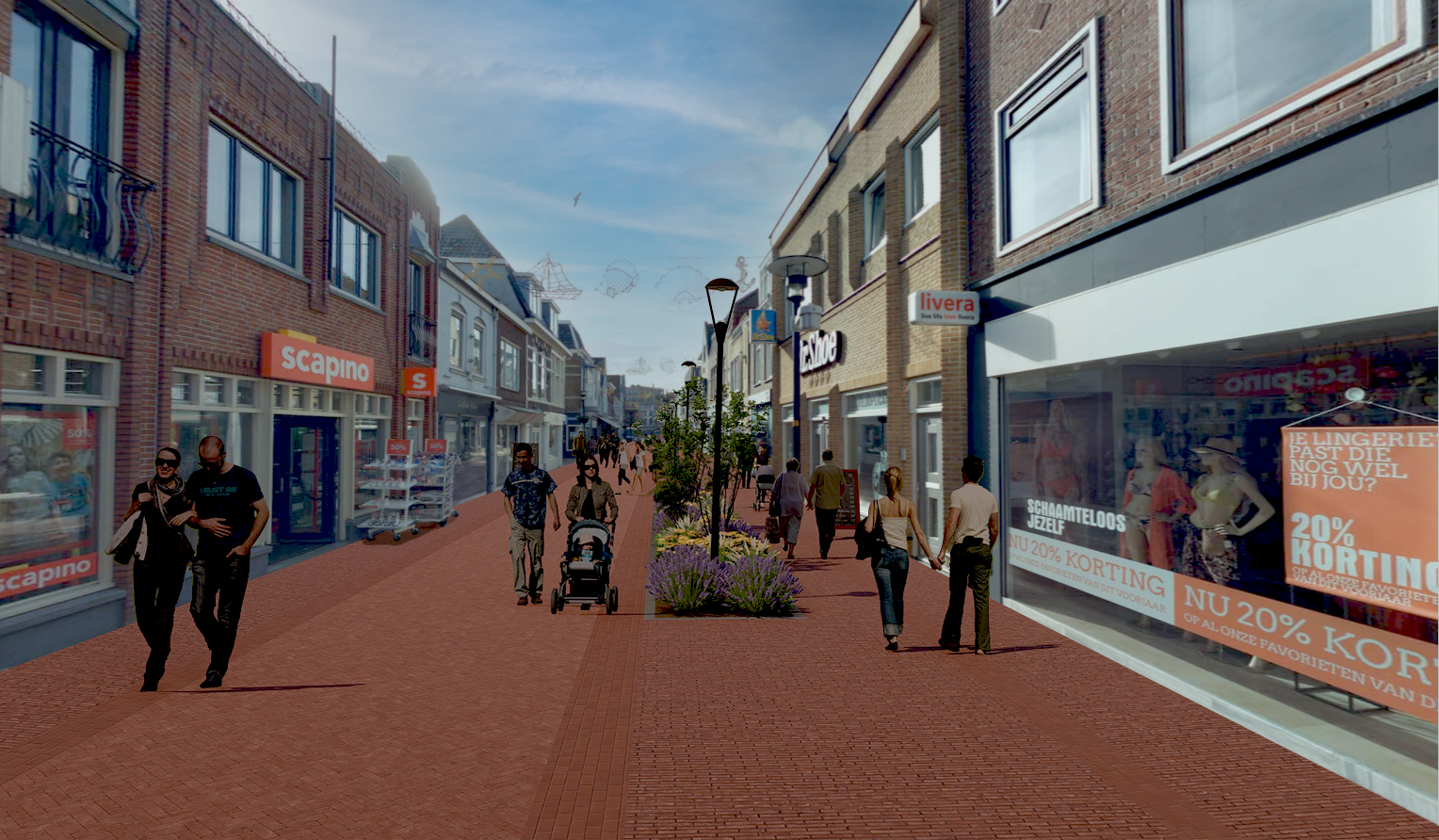
Redevelopment of Keizerstraat and Spoorstraat
Curious about new construction, urban renewal, and developments in Den Helder? Then sign up for the newsletter.
Curious about new construction, urban renewal, and developments in Den Helder? Then sign up for the newsletter.