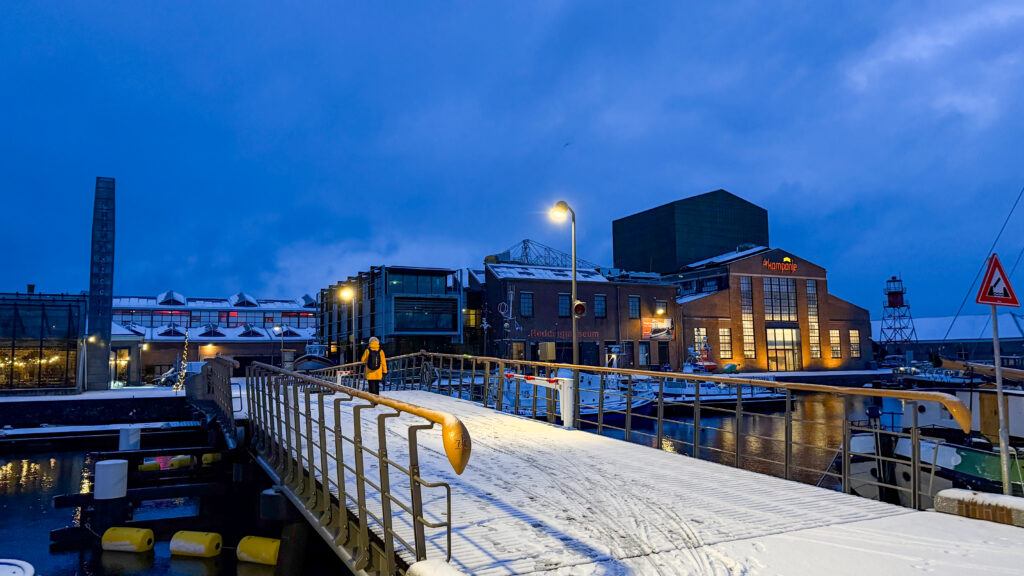
New functions are still being added to Willemsoord; therefore, it is important to provide good and safe access to the site. The new bicycle and pedestrian bridge strengthens the connection between the Stadshart and Willemsoord. The movable bicycle and pedestrian bridge has been constructed between the Francien de Zeeuwpromenade on Zuidstraat and the Willemsoord quay near the De Kampanje theatre and the Rescue Museum. The existing embankment along the Francien de Zeeuwpromenade (Flaneerkade) has been modified so that pedestrians and cyclists can comfortably reach Willemsoord and vice versa.
In the next phase, the pedestrian crossing over Weststraat connecting to the Francien de Zeeuwpromenade can be modified. The crossing is currently only for pedestrians. Cyclists will therefore still have to dismount until they reach Willemsoord. As soon as the crossing has been modified for cyclists—as the current schedule indicates this will take place in the first quarter of this year—the first section of the promenade and the Nieuwe Brug can also be used by cyclists.
The construction of the new bicycle and pedestrian bridge was necessary because the number of destinations at Willemsoord is increasing. The new bridge is centrally located on the route and connects to the existing crossing from the provincial route.
In the next phase, the pedestrian crossing over Weststraat connecting to the Francien de Zeeuwpromenade will be modified. The crossing is currently for walkers only. Cyclists will therefore still have to dismount until they reach Willemsoord. As soon as the crossing has been modified for cyclists—as the schedule currently indicates this will take place in the first quarter of next year—the first section of the promenade and the Nieuwe Brug can also be used by cyclists.
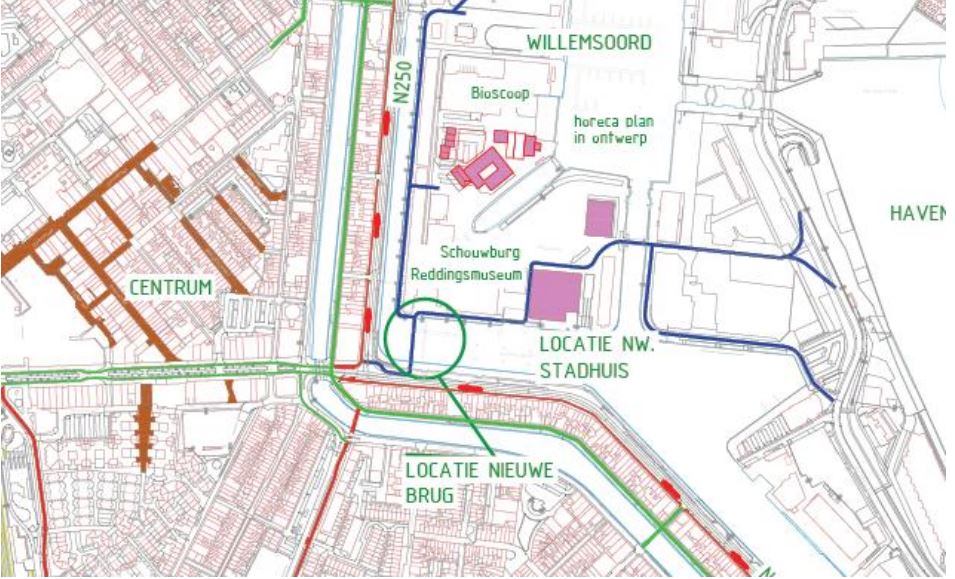
The image shows in blue how the new route is taking shape. The bridge is the essential connection/link in this.
The construction of the new bicycle and pedestrian bridge was necessary because the number of destinations at Willemsoord is increasing. The new bridge is centrally located on the route and connects to the existing crossing from the provincial route.
In the next phase, the pedestrian crossing over Weststraat connecting to the Francien de Zeeuwpromenade will be modified. The crossing is currently for walkers only. Cyclists will therefore still have to dismount until they reach Willemsoord. As soon as the crossing has been modified for cyclists—as the schedule currently indicates this will take place in the first quarter of next year—the first section of the promenade and the Nieuwe Brug can also be used by cyclists.
The image shows in blue how the new route is taking shape. The bridge is the essential connection/link in this.
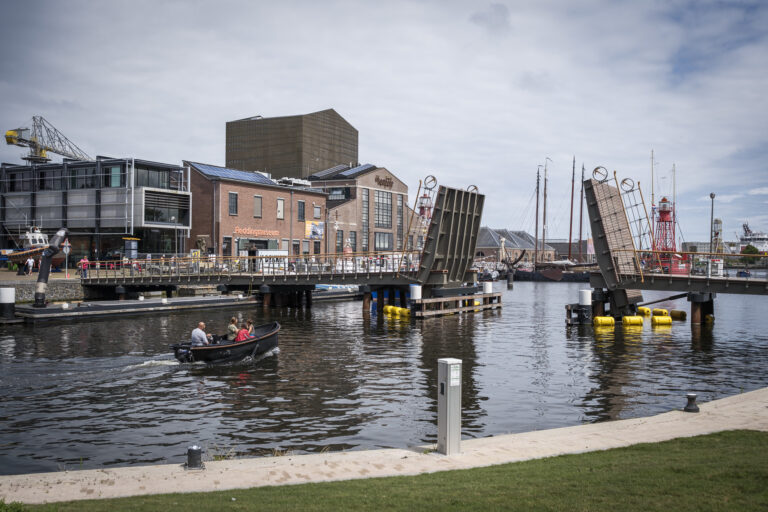
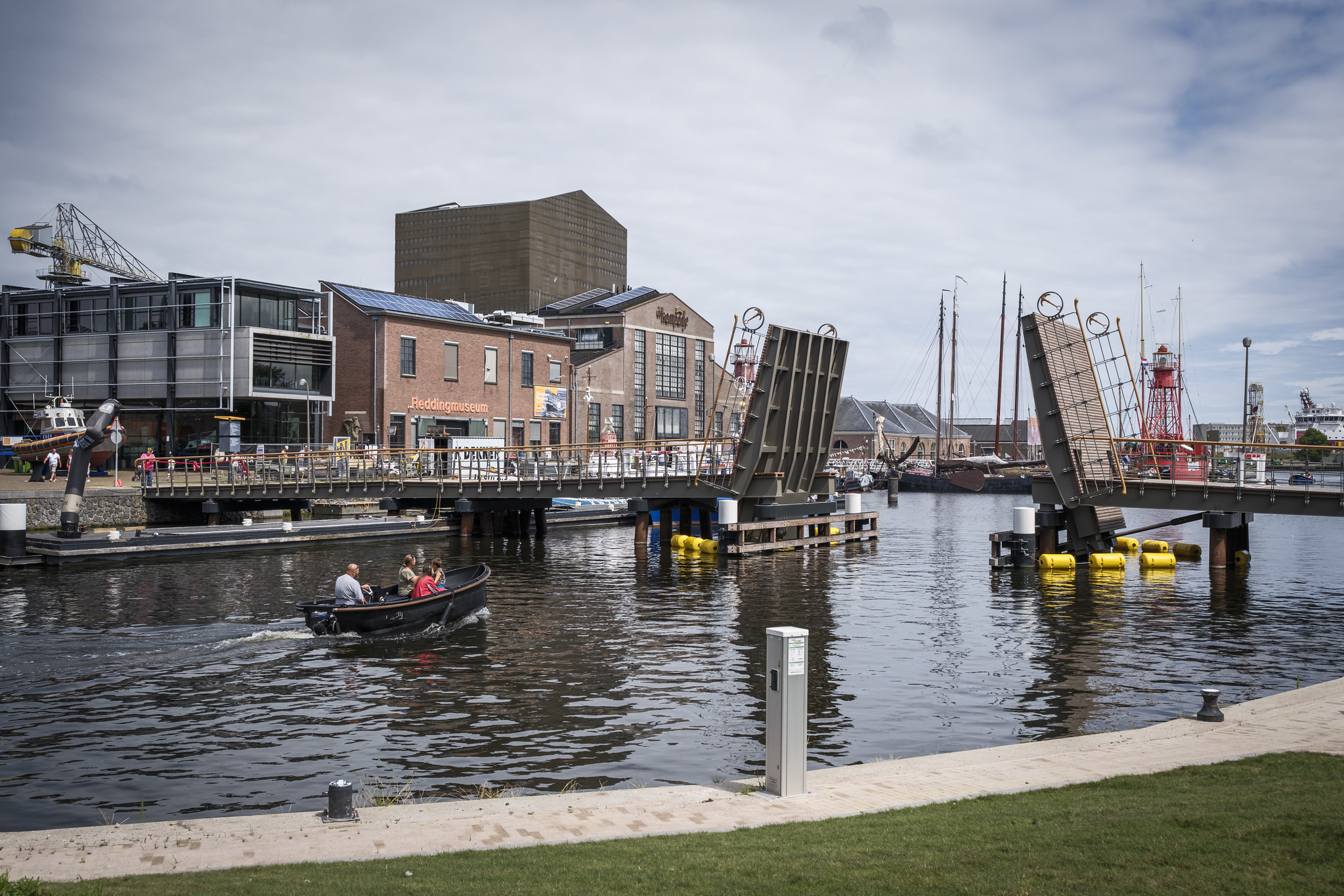
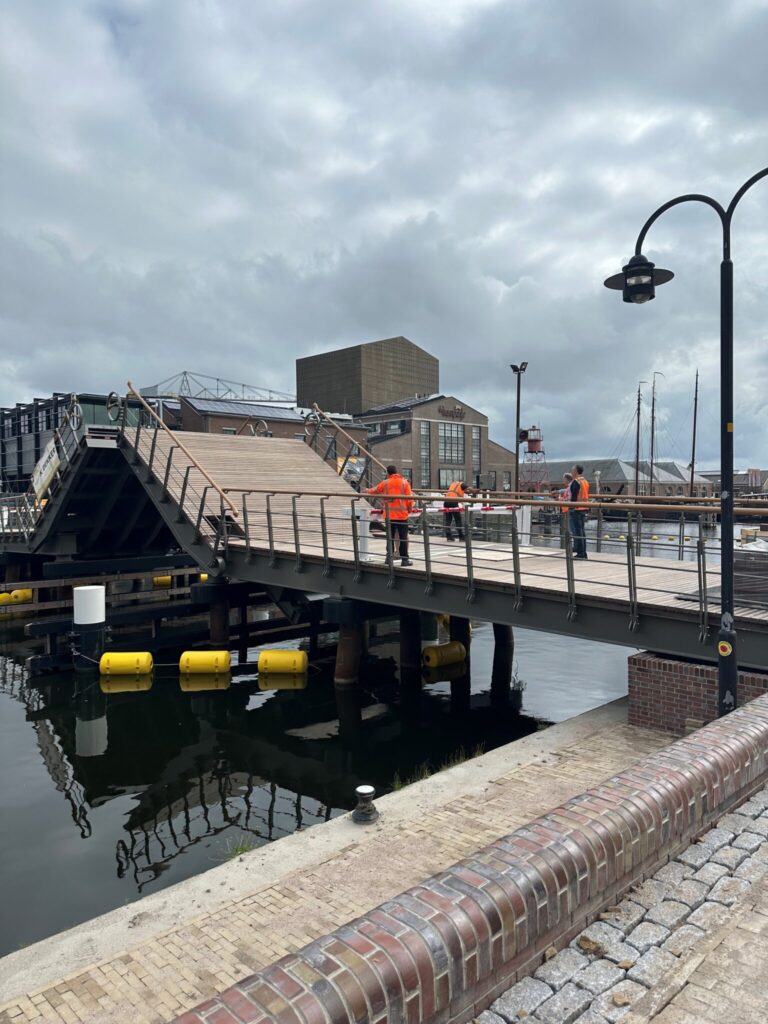
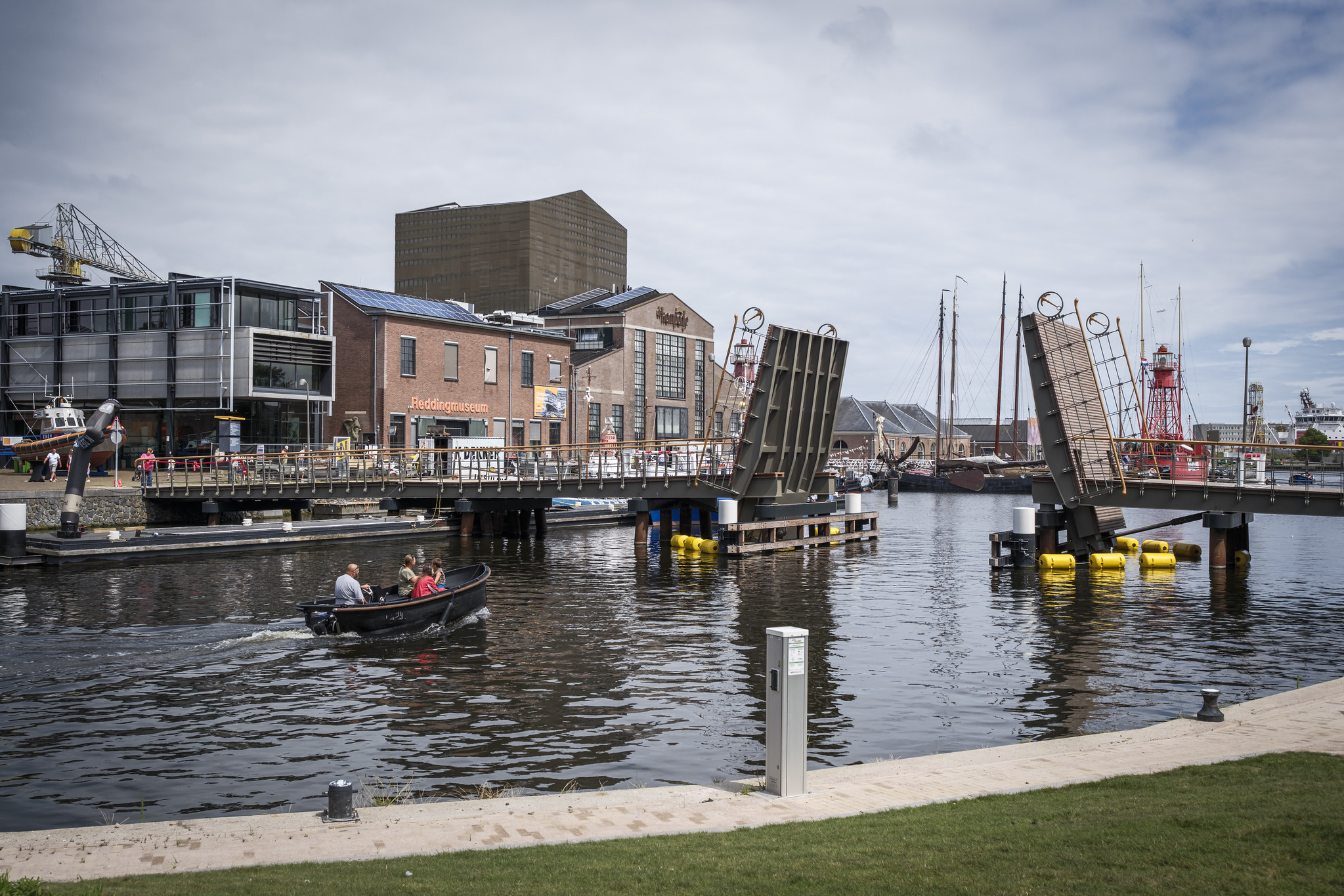
The new pedestrian and bicycle bridge bears some resemblance to the Lange IJzeren brug in Dordrecht; a real must-see. The new bridge at Willemsoord is a steel bascule bridge. The architect aims for a historical appearance in which the various separate components are connected with bolts and nuts. In the railing, you can see interlocking anchors at the transition between the two bridge sections. The balustrade features a fairly prominent top rail with 'double' vertical uprights and more subordinate horizontal steel rails, with steel girders on either side of the bridge deck.
The navigation channel has been shifted to the south, creating space on the north side for berths for the museum harbour. Between the jetty and the promenade, the bridge runs on a gentle slope, with the highest point positioned directly above the navigation channel. The south-facing abutment of the bridge is constructed of masonry with shaped bricks and granite end stones. On the Willemsoord side, the structure cantilevers over the Willemsoord ground level. The bridge's piers and crossbeams are constructed of concrete and extend beyond the bridge.
The new pedestrian and bicycle bridge bears some resemblance to the Lange IJzeren brug in Dordrecht; a real must-see. The new bridge at Willemsoord is a steel bascule bridge. The architect aims for a historical appearance in which the various separate components are connected with bolts and nuts. In the railing, you can see interlocking anchors at the transition between the two bridge sections. The balustrade features a fairly prominent top rail with 'double' vertical uprights and more subordinate horizontal steel rails, with steel girders on either side of the bridge deck.
The navigation channel has been shifted to the south, creating space on the north side for berths for the museum harbour. Between the jetty and the promenade, the bridge runs on a gentle slope, with the highest point positioned directly above the navigation channel. The south-facing abutment of the bridge is constructed of masonry with shaped bricks and granite end stones. On the Willemsoord side, the structure cantilevers over the Willemsoord ground level. The bridge's piers and crossbeams are constructed of concrete and extend beyond the bridge.
Preparation, dismantling, and relocation of existing installation. Drilling piles, constructing crossbeams and abutment, assembling superstructure.
The design has been finalized, the permit has been granted and is irrevocable. Execution can commence.
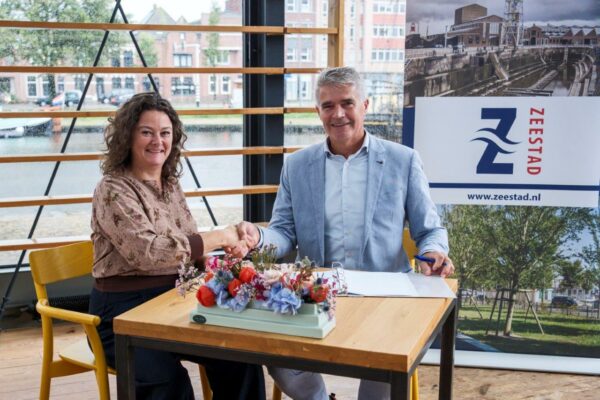
The new bridge between Willemsoord and the city center was officially opened on Thursday, July 24. Alderman Niels Nanning and Marichel Weel, Director of Zeestad, performed the official opening by symbolically cutting the ribbon.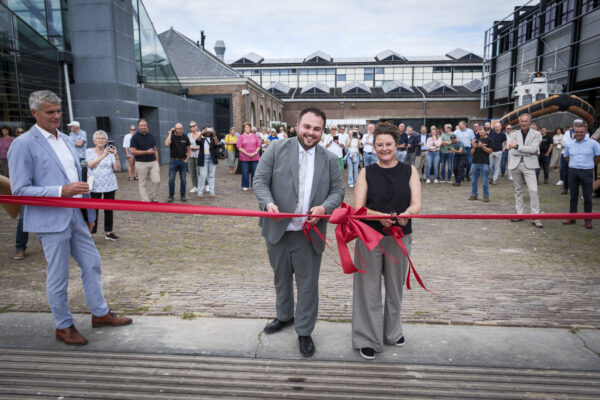
You can already see that the Nieuwe Brug is becoming a robust bridge: 5 meters wide, with plenty of room for cyclists and pedestrians. Over the coming weeks, work will continue on the technical aspects, lighting, controls, and connection to the quays.
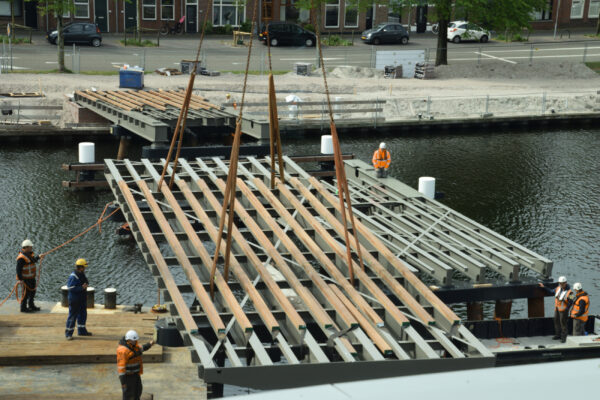
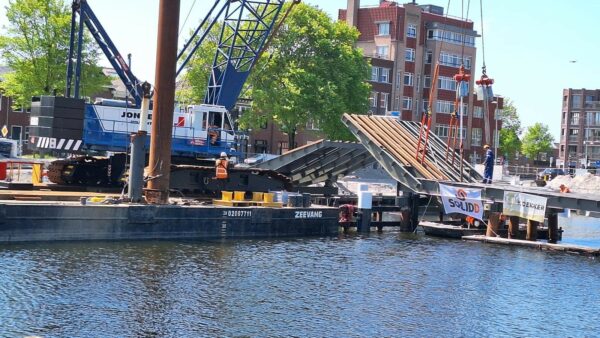
And the first approach bridge (from Willemsoord) is finished and awaiting the wooden deck covering.
The first leaf – the movable part of the bridge – is being fitted with the coating layers.
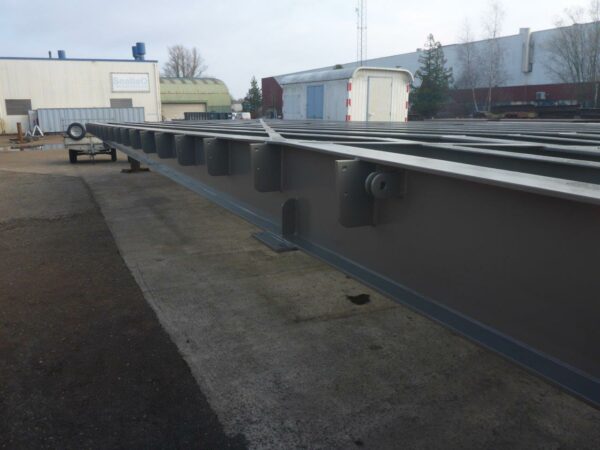
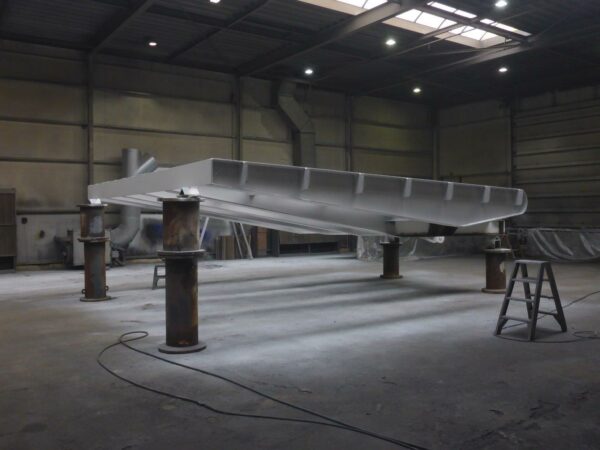
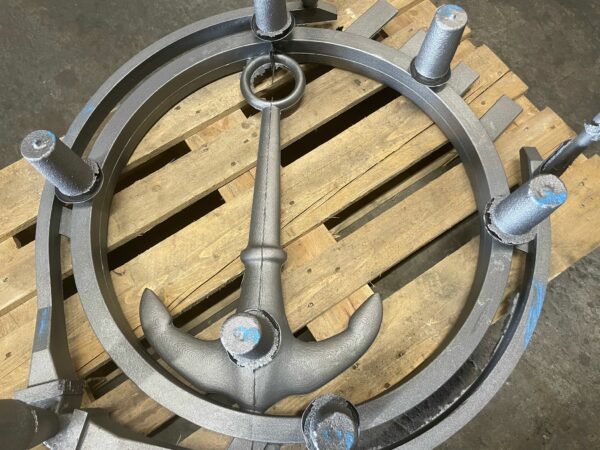
In the movable sections of the bridge, the crossed anchors from the Den Helder flag are given a prominent place. The anchors are attached to the railing with four metal strips, which symbolize the red stripes in the Den Helder flag. Each movable section of the bridge will feature an anchor. When the bridge closes, the anchors cross to form the Den Helder logo. It symbolizes the purpose of the bridge: connecting the city center with Willemsoord. The anchors have already been produced at the steel foundry and are currently being processed at Smederij Oldenhave in Vorden.

The fender systems, which can be seen as the 'guardrail' for shipping traffic, are positioned beneath the bridge. The black posts with white tops mark the passage of vessels under the bridge. Between these posts are steel girders topped with wooden girders to make any potential contact with a vessel somewhat more forgiving. For this reason, the fender system is completely separate from the bridge foundation.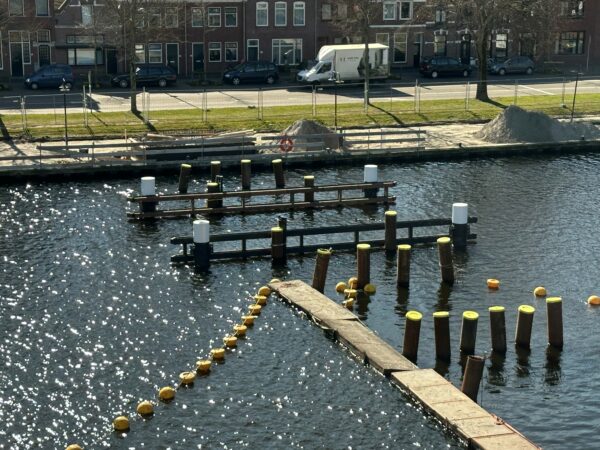
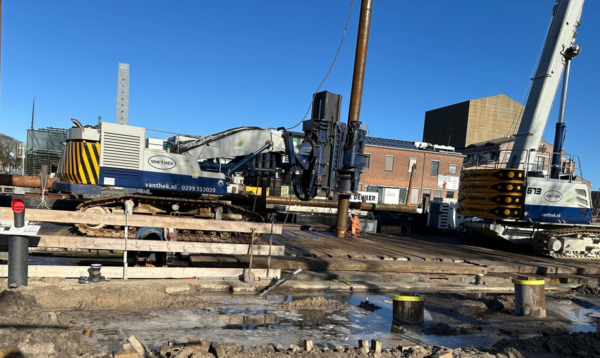
This week, the piles for the bridge (in the water) and the abutment (on the promenade side) are being installed. The piles are being placed from the water using a drilling rig and a mobile crane on work pontoons. This technique makes it possible to install the piles (virtually) free of vibrations and noise. This minimizes construction nuisance for the surrounding area.
A total of 32 piles are being installed, 28 of which are using this drilling rig. These metal tubular piles are filled with concrete and reinforcement. The remaining four piles for the fender system under the bridge are being driven. The fender system protects the bridge foundation when ships pass under the bridge.
Work on the installation of the new bridge is starting. The bridge will be put into service in June.
The contractor is starting the setup of the construction site: fences are being erected, the construction site is being built, and the existing pontoon bridge is being removed. Subsequently, the foundation piles are installed in the shipyard canal, and the crossbeams and abutment are constructed on the Francien de Zeeuwkade. The new bridge will actually arrive at the end of March and be assembled on site.
During construction, the western part of the Francien de Zeeuw Promenade is closed to pedestrians and cyclists. Willemsoord is accessible via the main entrance on Weststraat. The waterway is closed to shipping.
Contractor K_Dekker bouw & infra can start construction of the bridge. Production of the steel bridge begins this year. In the new year, on-site work will start in preparation for the arrival of the bridge..
The Post Office
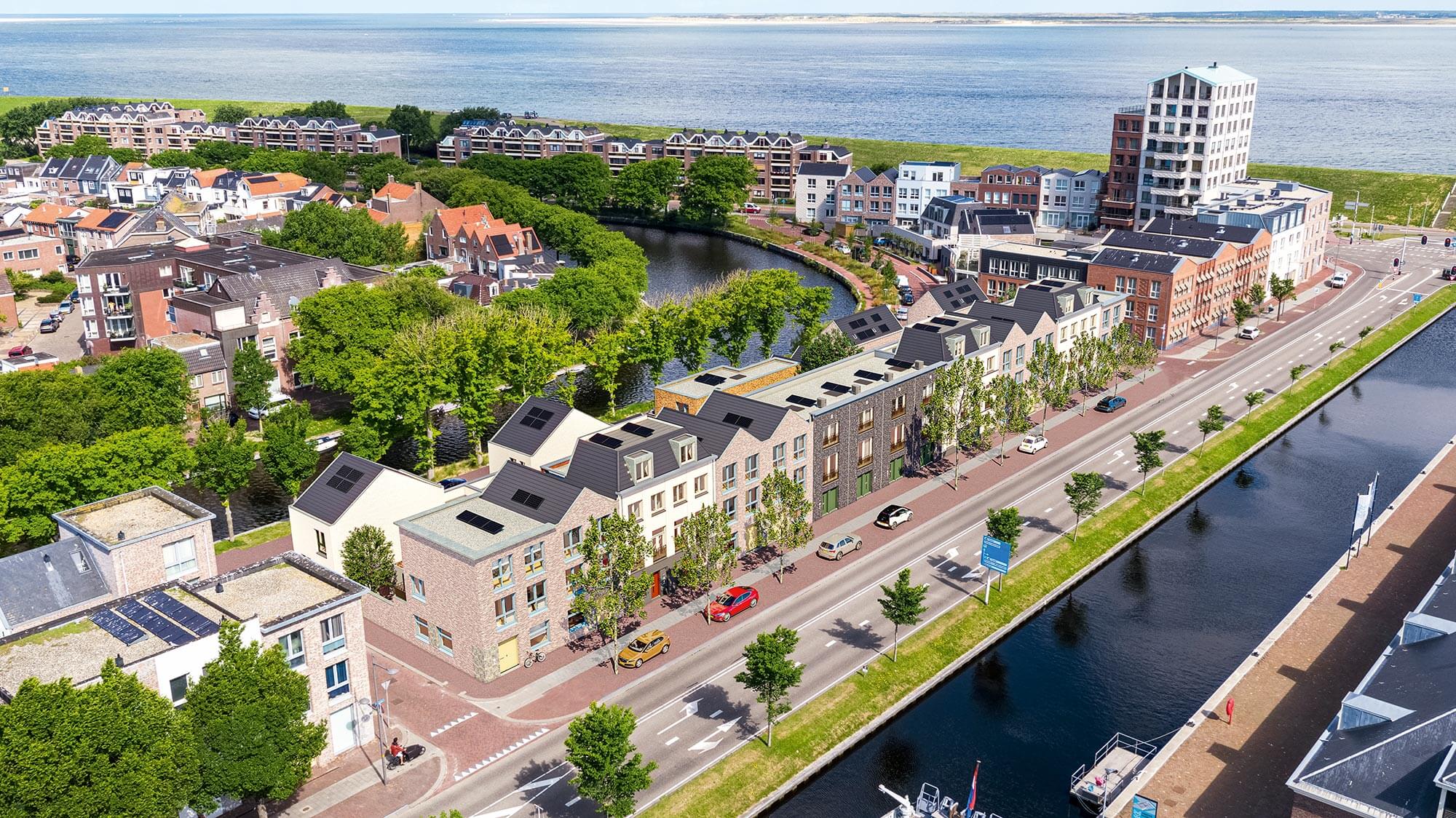
Molenplein phase 2
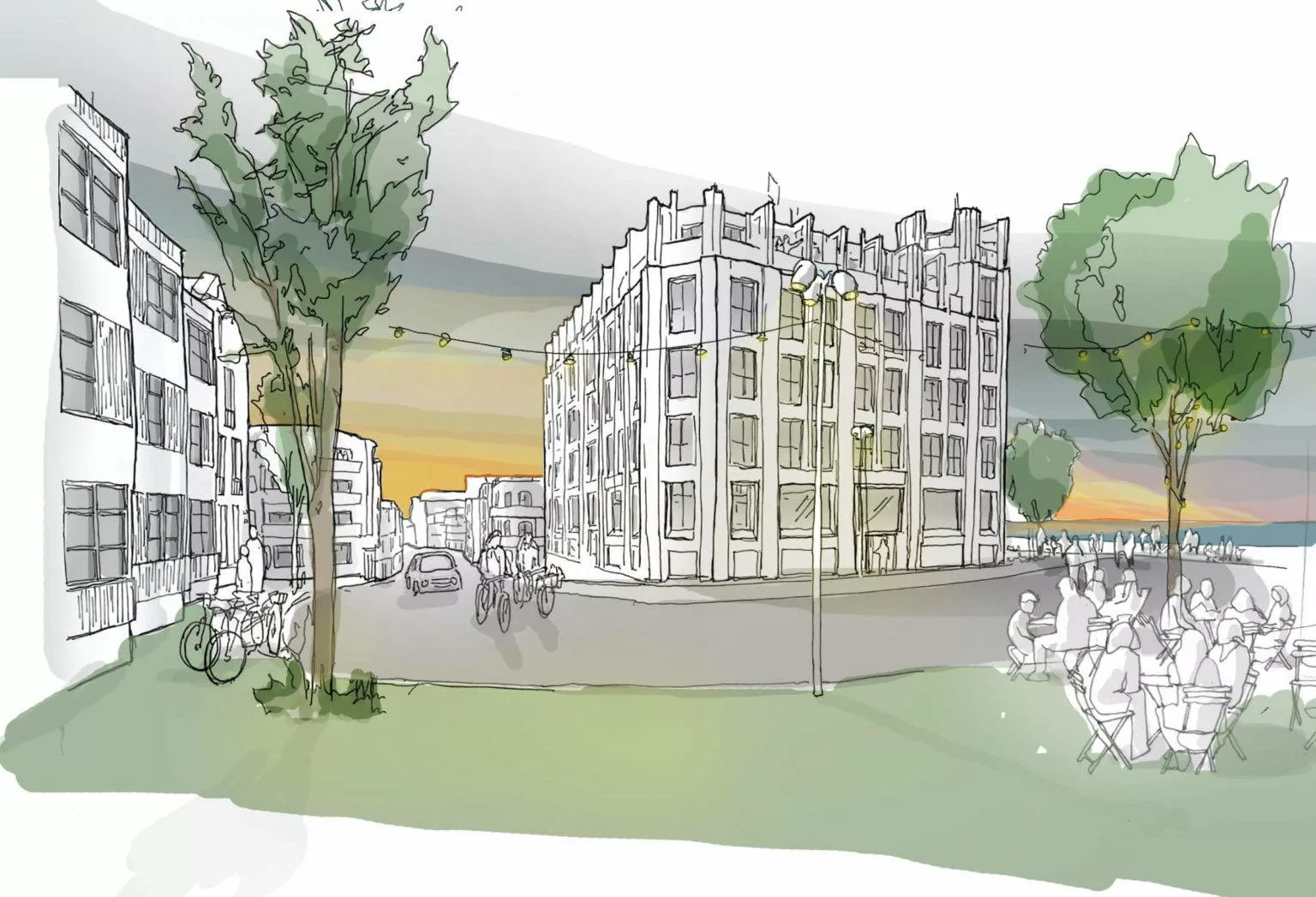
Dike Quarter
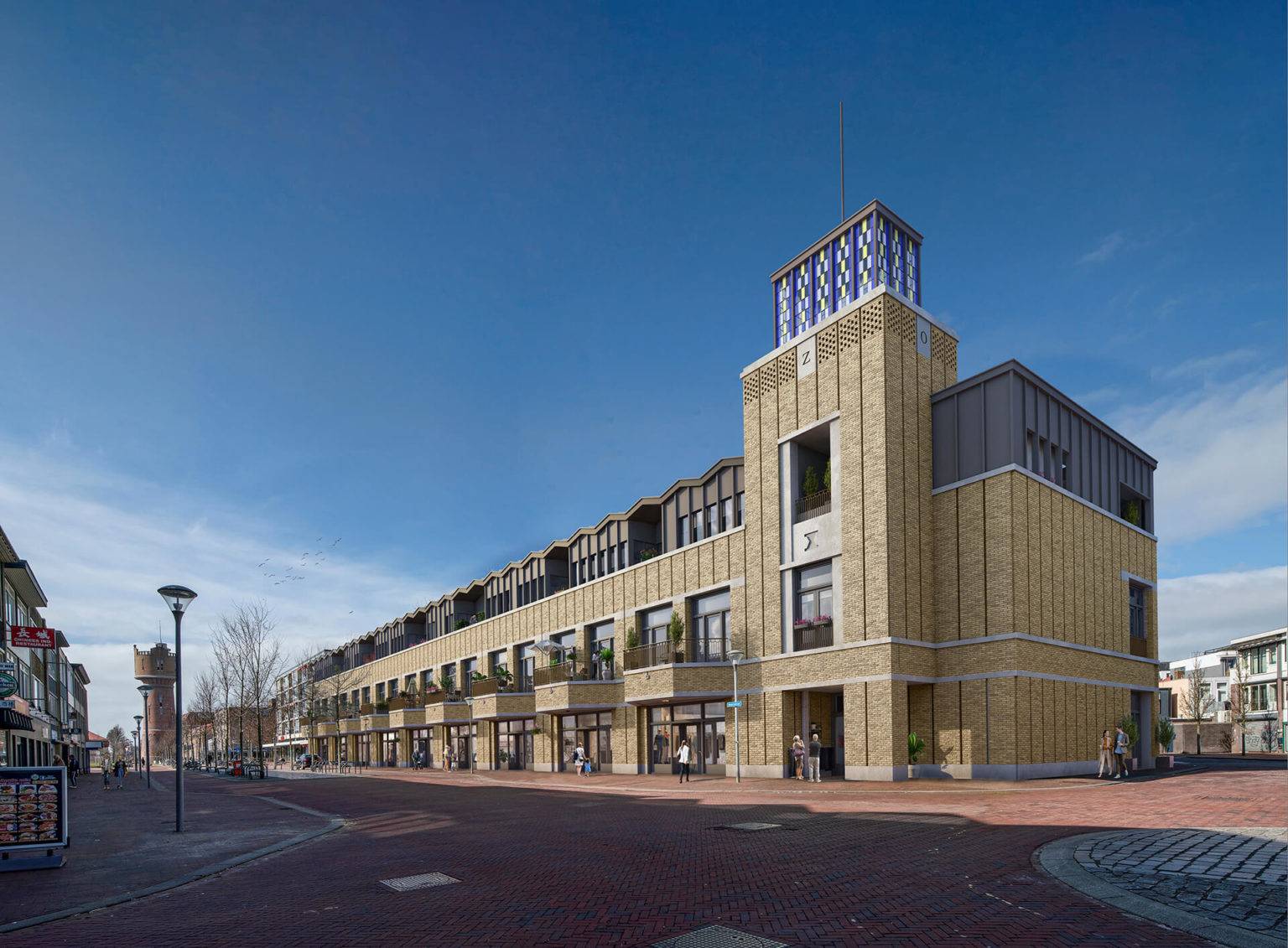
The Department Store
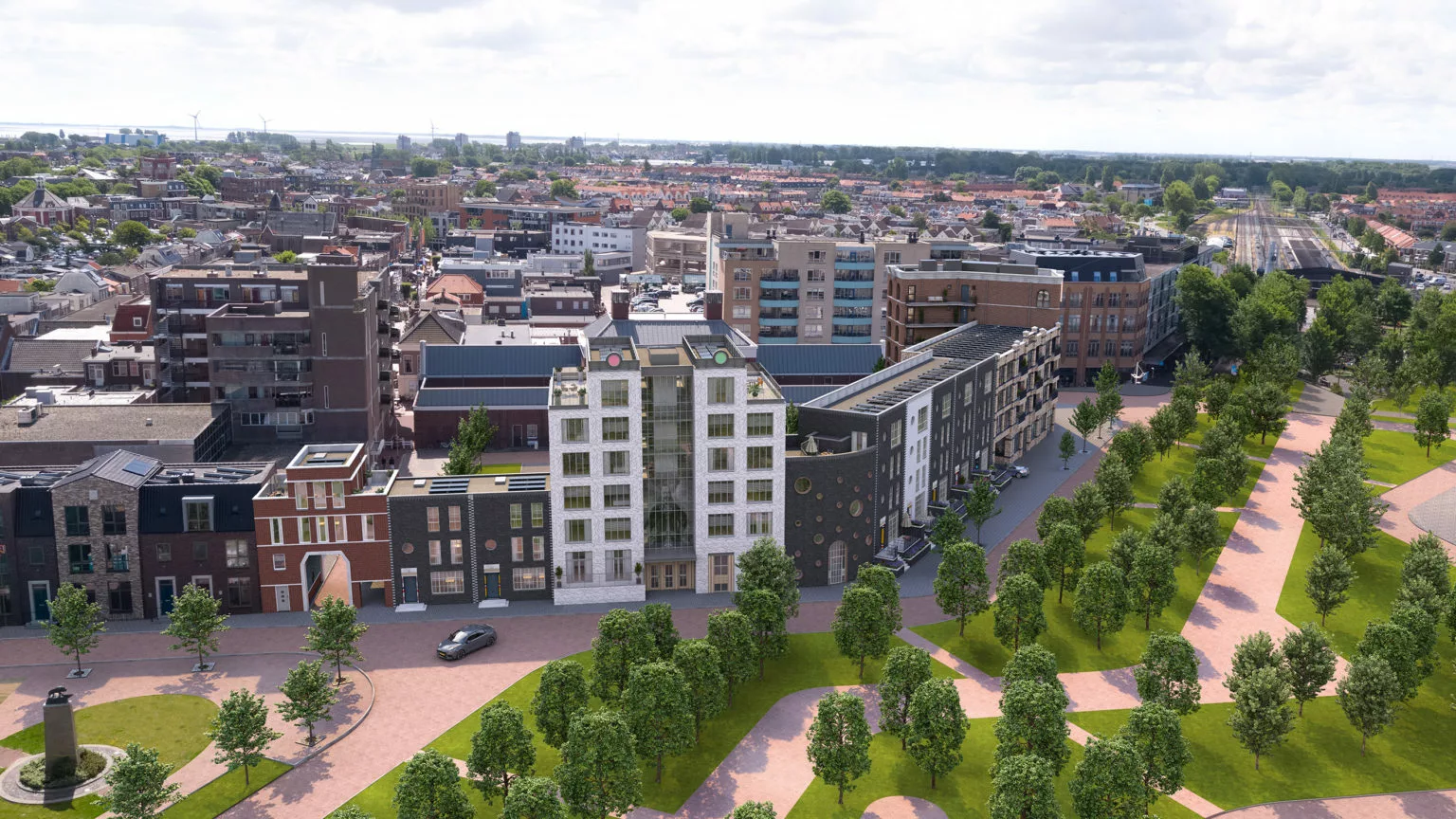
The Admiral
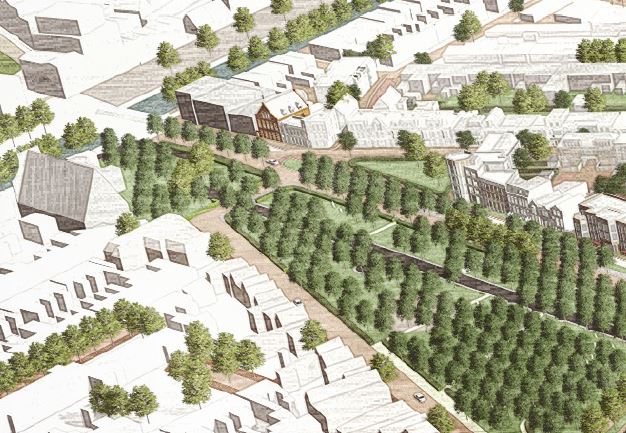
Eastlootstraat West
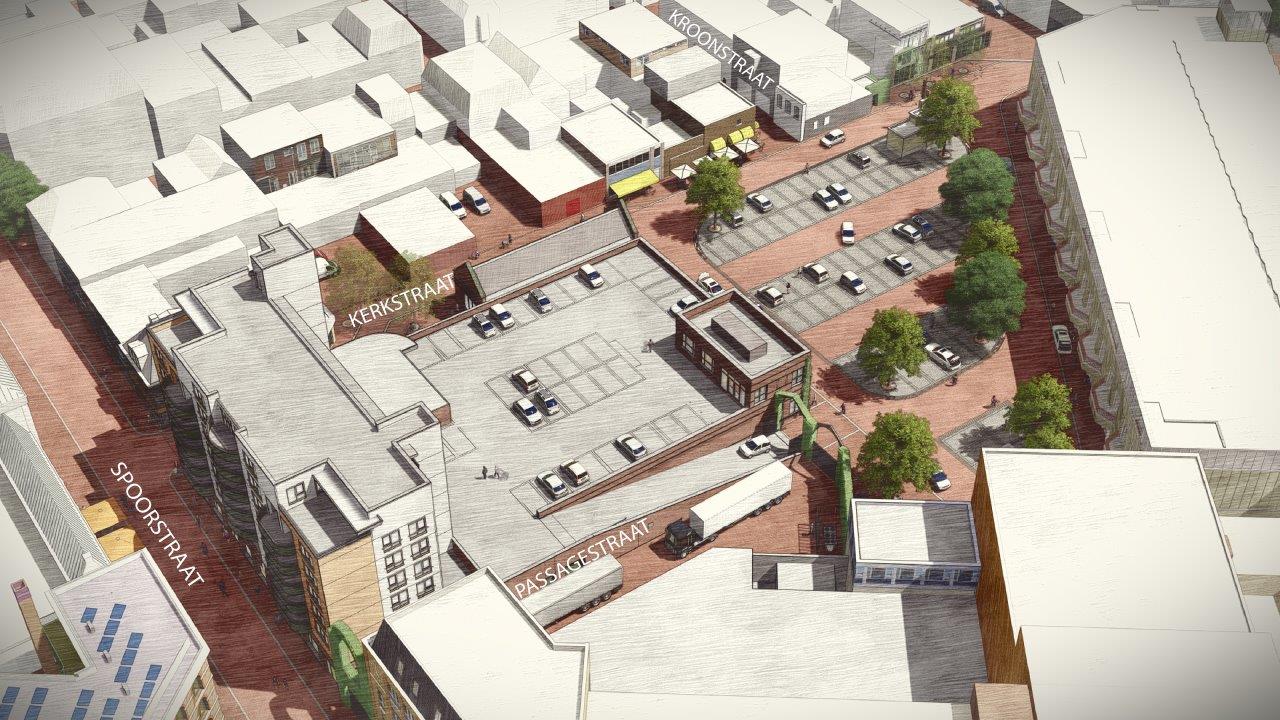
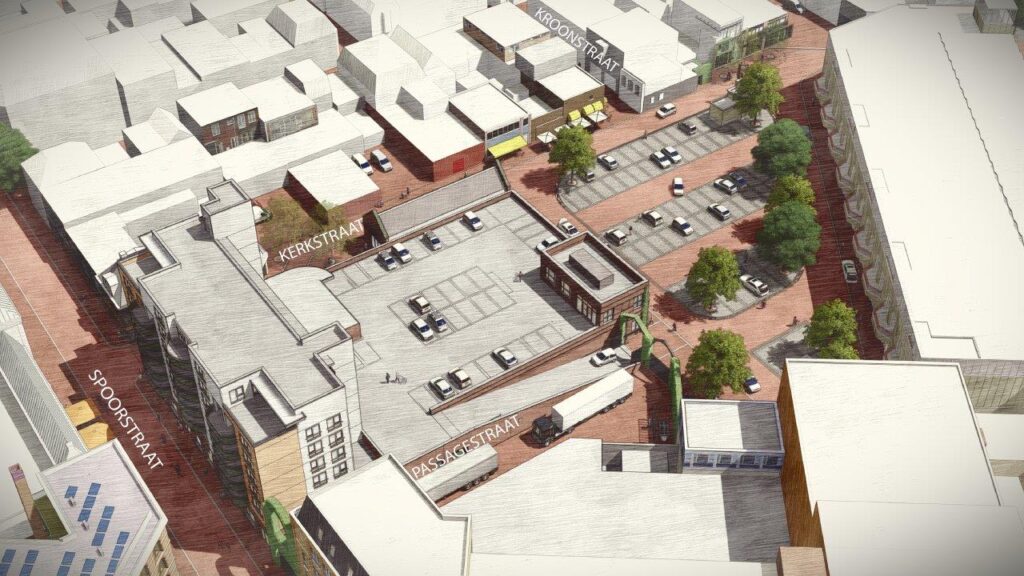
Redevelopment of Kroonpassage
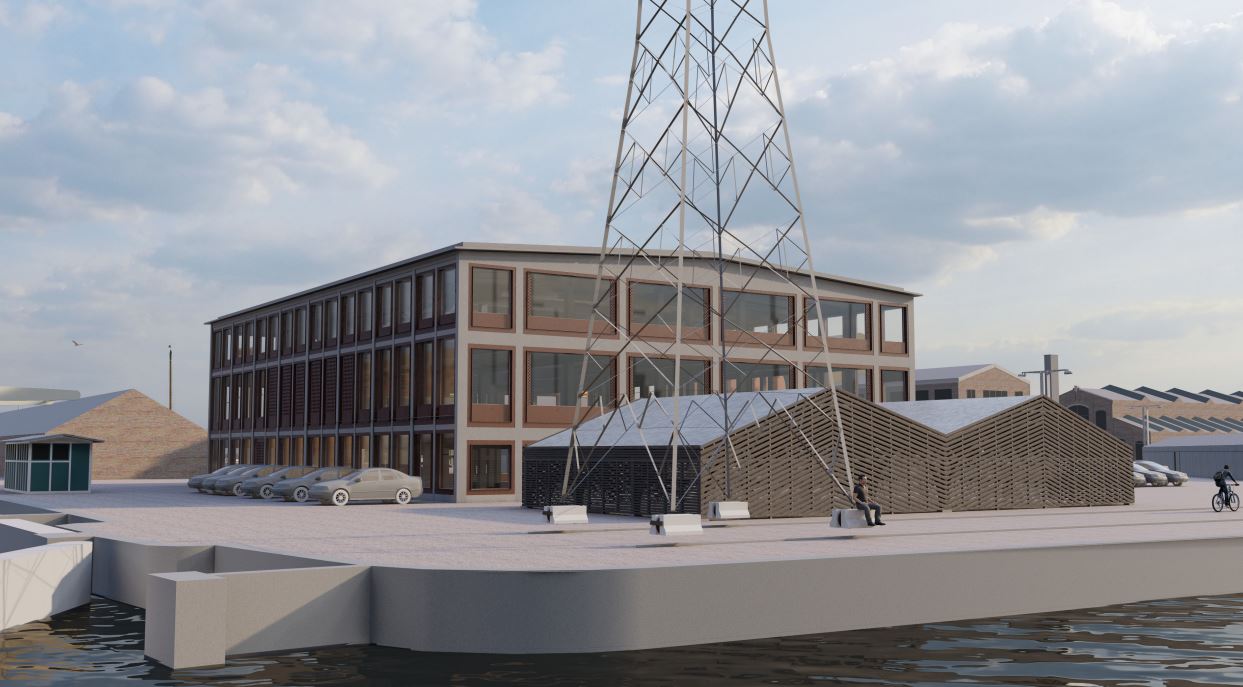
Build Bicycle Shed
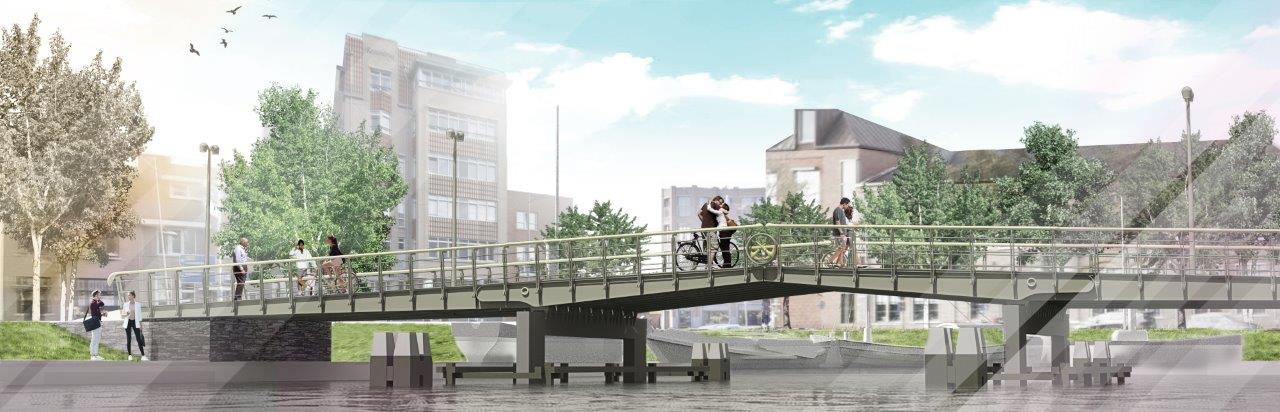
Bicycle and pedestrian bridge
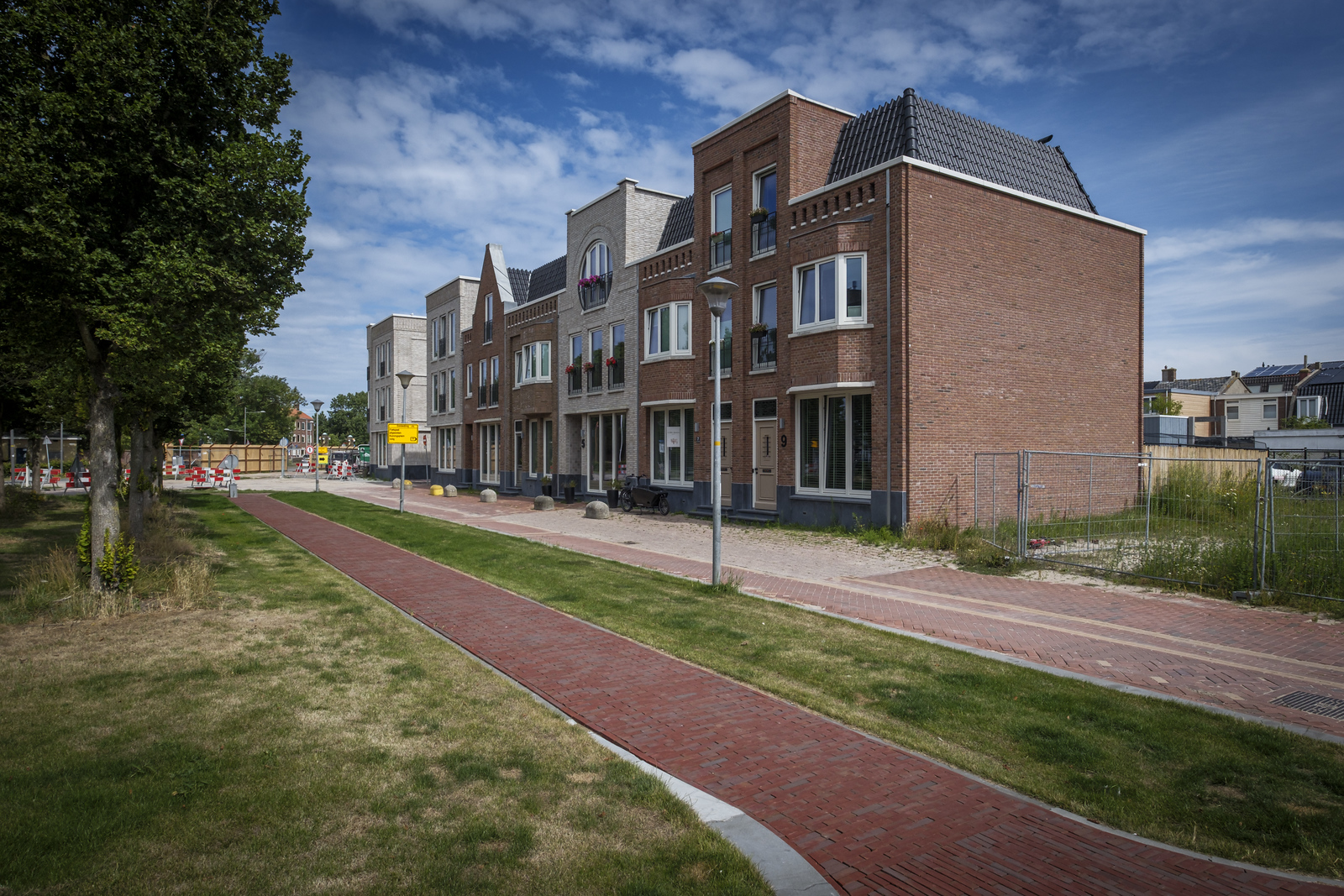
Redevelopment of Koningstraat
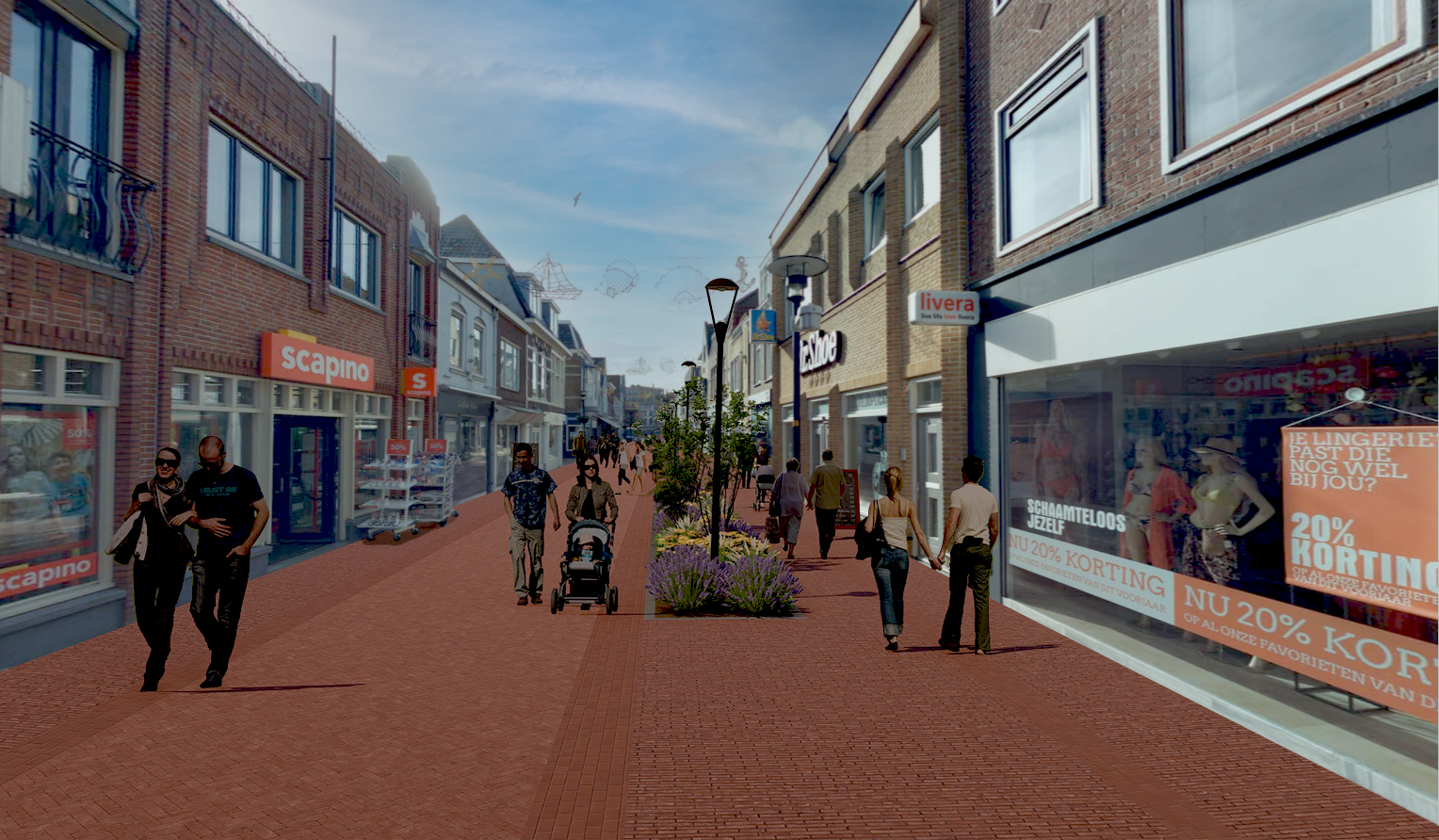
Redevelopment of Keizerstraat and Spoorstraat
Curious about new construction, urban renewal, and developments in Den Helder? Then sign up for the newsletter.
Curious about new construction, urban renewal, and developments in Den Helder? Then sign up for the newsletter.